
Forgotten Dairies
Nigeria’s Fabric Market As A Silent Economic Giant -By Oladeni Mojisola
Its influence is simply felt wherever lives are improved. Nigeria’s future will not be secured only by discovering new oil wells or constructing glittering skyscrapers. It will also be shaped by recognising the industries that have faithfully carried the nation through decades of uncertainty. Among them stand the country’s fabric markets, patient yet powerful, familiar yet underestimated, ordinary in appearance yet extraordinary in economic significance. Their stalls may not dominate financial headlines, but their contribution has long been woven into the very fabric of Nigeria’s prosperity.

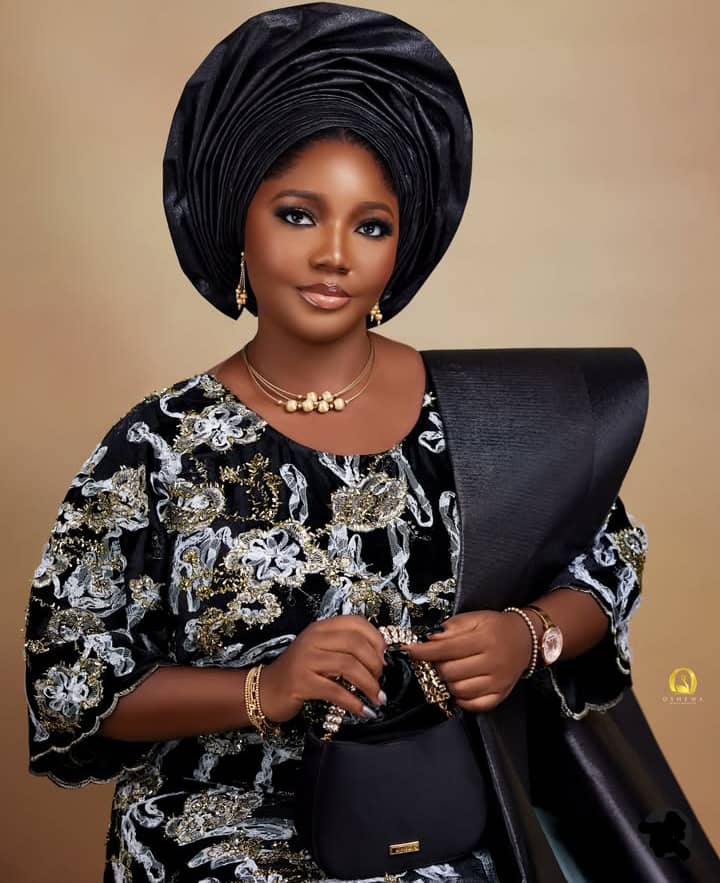
Over the years, the story of Nigeria’s economy is often narrated through the language of crude oil, banking halls, cement factories, agricultural products, telecommunications towers, and stock market figures. Those chapters deserve attention, however another story continues to be overlooked; a story woven into folded Ankara, whispered through rolls of lace, embroidered upon Aso Oke, and measured by tailors’ tapes that are stretched across sewing tables. It lives inside fabric markets where dawn arrives before the sun, where fortunes are stitched together thread by thread, and where thousands of livelihoods are sustained without headlines. These markets have rarely been granted the dignity of serious economic recognition. They are frequently regarded as ordinary trading centres, while their true influence remains concealed beneath layers of colour and commerce. Yet, when examined carefully, they emerge as some of Nigeria’s quietest economic powerhouses. They have been financing families, educating children, employing artisans, preserving culture, generating taxes, and stimulating manufacturing long before many fashionable industries entered public conversation.
The great philosopher, Aristotle, observed in Politics, “The whole is greater than the sum of its parts.” No sentence could better describe Nigeria’s fabric markets. A single fabric stall may appear modest. Hundreds gathered within one market become an economic organism. Thousands connected across Kano, Lagos, Aba, Ibadan, Onitsha, Kaduna, Ilorin and countless other cities become an enormous commercial network whose influence extends into nearly every Nigerian home. Every metre of fabric purchased sets several economic wheels in motion. Importers negotiate international supply chains. Local textile producers receive orders. Transporters move bales across highways. Warehouse operators earn their keep. Shop owners employ attendants. Tailors transform cloth into garments. Embroiderers, fashion designers, laundry operators, photographers, event planners, jewellery sellers, shoe makers and online vendors all become participants in one commercial journey. Money is not merely exchanged. It is multiplied.
The numbers support this reality. Nigeria’s fashion industry has been estimated to contribute billions of dollars annually to economic activity while employing hundreds of thousands directly and indirectly. Government agencies and international development institutions have repeatedly identified the textile, apparel and fashion value chain as one capable of creating large-scale employment, especially for women and young people. Despite decades of decline within domestic textile manufacturing, consumer demand for fabrics has remained remarkably resilient, proving that Nigerians have never abandoned their love for quality cloth. Culture has quietly become one of the market’s greatest currencies. A Nigerian wedding without carefully selected fabrics is almost unimaginable. A naming ceremony acquires deeper beauty through coordinated attire. Religious celebrations are elevated by elegant garments. Chieftaincy installations are recognised through distinguished traditional fabrics. Funerals, birthdays, graduations, festivals and political campaigns all carry their own textile identities. Fabric is not merely purchased. Identity is purchased. Belonging is purchased. Memory is purchased.
Among the Yoruba, Aṣọ Ẹbi has evolved into an economic institution rather than a simple social tradition. One carefully chosen fabric can trigger millions of naira in commercial activity within weeks. The ripple stretches from wholesalers to retailers, from tailors to make-up artists, from photographers to event decorators. A celebration lasting one day often sustains dozens of businesses for several months. The Chinese philosopher Confucius once remarked, “The strength of a nation derives from the integrity of the home.” Nigerian fabric markets quietly reinforce that strength because many are built upon family enterprises. Knowledge is transferred from parents to children. Customer relationships survive generations. Credit is extended upon trust rather than paperwork. Reputation becomes more valuable than advertising.
Women occupy the beating heart of this commercial landscape. Long before conversations about female entrepreneurship became fashionable, Nigerian women had already mastered inventory management, customer psychology, international sourcing, negotiation, bookkeeping and wealth creation inside these markets. Their business schools possessed no marble lecture halls, yet lessons were taught every trading day. Their graduation certificates were written in customer loyalty, consistent profit and expanding enterprises. This silent leadership deserves far greater scholarly attention. Across many fabric markets, women have demonstrated remarkable resilience despite inflation, currency depreciation, import challenges and fluctuating consumer demand. Businesses have been rebuilt after economic shocks because adaptability has remained their strongest currency.
Yet brilliance has been accompanied by burdens. The collapse of much of Nigeria’s once-thriving textile manufacturing industry left deep scars. During the industry’s peak in the 1980s, well over 150 textile mills operated across the country, employing hundreds of thousands of workers directly and indirectly. Today, only a fraction remain active after decades of smuggling, inconsistent power supply, high production costs, insecurity and policy instability. The consequence has been a greater dependence on imported fabrics and an erosion of domestic industrial capacity. Ironically, the resilience of fabric markets has masked this industrial tragedy. Consumers continued buying cloth. Traders continued selling. Weddings continued taking place. The apparent normality concealed the disappearance of factories, machines and skilled manufacturing jobs.
That quiet endurance should never be mistaken for unlimited resilience. Imagine what could be achieved if stable electricity reduced production costs. Imagine accessible financing reaching credible traders. Imagine improved border management reducing smuggling. Imagine digital marketplaces connecting local fabric sellers with buyers across Africa under the African Continental Free Trade Area. Imagine Nigerian cotton being transformed into Nigerian textiles before reaching Nigerian markets. Economic value would no longer leak abroad. It would circulate within the nation.
Technology has already begun reshaping the marketplace. Instagram, WhatsApp, TikTok and Facebook have transformed many traditional traders into national retailers. Live video sales now attract customers from Abuja, Port Harcourt, London, Atlanta and Johannesburg. Payments are completed electronically. Deliveries arrive through logistics companies. The once local fabric merchant increasingly competes on a continental stage. The future, therefore, does not belong to physical markets alone. It belongs to markets where tradition walks confidently beside technology.
An old Yoruba proverb declares, “Aṣọ l’ọ̀rẹ́ ara.” Its meaning is, “Clothing is the companion of the body.” The saying reaches beyond appearance. It reminds us that fabric accompanies nearly every stage of human existence, from birth to burial. That enduring relevance explains why fabric commerce has survived wars, recessions, pandemics and changing fashions. Economic discussions often chase the loudest industries. Yet the loudest industries are not always the strongest. Rivers that nourish kingdoms frequently flow without thunder. Nigeria’s fabric markets deserve to be viewed through a different lens. They are not relics waiting for modernity. They are engines waiting for recognition. They are classrooms where entrepreneurship is practised daily. They are museums where culture remains alive. They are employment exchanges without formal signboards. They are financial ecosystems where capital changes hands thousands of times before sunset.
Perhaps their greatest achievement has been accomplished without applause. While headlines celebrated billion-dollar corporations, fabric markets quietly built millions of ordinary dreams. School fees were paid. Homes were constructed. Apprentices became employers. Widows found dignity through trade. Young graduates discovered opportunity where formal employment had failed them. Families were sustained because bolts of fabric continued changing hands. That is the mark of a genuine economic giant. It need not announce its strength. Its influence is simply felt wherever lives are improved. Nigeria’s future will not be secured only by discovering new oil wells or constructing glittering skyscrapers. It will also be shaped by recognising the industries that have faithfully carried the nation through decades of uncertainty. Among them stand the country’s fabric markets, patient yet powerful, familiar yet underestimated, ordinary in appearance yet extraordinary in economic significance. Their stalls may not dominate financial headlines, but their contribution has long been woven into the very fabric of Nigeria’s prosperity.
Oladeni Mojisola is a public commentator and the CEO of House of Moh Fabrics



















You must be logged in to post a comment Login