Forgotten Dairies
Biosecurity: The Invisible Shield Protecting Farms, Livelihoods, and Public Health -By Dr. Umoru Moris
Improving biosecurity does not always require expensive infrastructure. Simple but consistent measures such as limiting unnecessary farm visitors, vaccinating animals, disinfecting equipment, isolating sick animals, maintaining clean feeding and watering systems, and ensuring proper disposal of waste materials can make a substantial difference. Veterinary professionals also play crucial roles through disease surveillance, vaccination campaigns, food safety monitoring, outbreak investigations, and public health education.

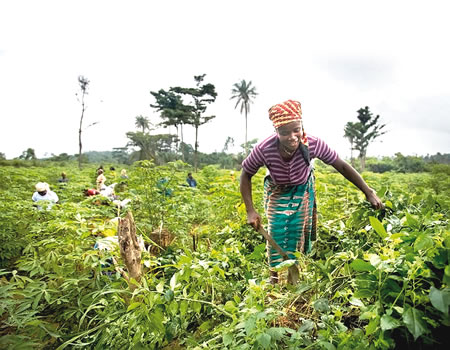
Livestock farming remains one of the most important sources of food, income, and economic survival for millions of families across Nigeria. From poultry and cattle production to sheep and goat farming, livestock contributes significantly to food security and rural livelihoods. Yet behind every successful farm lies a constant threat capable of destroying years of investment within a short period: infectious animal diseases. As interactions between humans, animals, and the environment continue to increase, biosecurity has emerged as one of the most important tools for protecting both agricultural productivity and public health.
Biosecurity refers to the measures designed to prevent diseases from entering, spreading within, or leaving a farm environment. While the concept may appear technical, its application is often simple and practical. Actions such as maintaining proper hygiene, disinfecting equipment, controlling movement on farms, vaccinating animals, and isolating sick livestock can significantly reduce the risk of disease outbreaks. These measures form the foundation of effective disease prevention in both small-scale and commercial farming systems.
For many farmers, disease outbreaks can be financially devastating. Infected animals often experience poor growth, reduced productivity, reproductive problems, and in severe cases, death. The resulting losses force farmers to spend scarce resources on treatment, medications, and replacement stock. Unfortunately, many of these losses occur because preventive measures were either absent or inadequately implemented. In most cases, preventing disease remains far less costly than managing an outbreak after it has occurred.
Beyond farm productivity, biosecurity plays a critical role in protecting human health. Many diseases that affect people originate from animals, a category commonly known as zoonotic diseases. Conditions such as rabies, anthrax, avian influenza, brucellosis, and salmonellosis highlight the close relationship between animal health and public health. Poor farm hygiene and weak disease control systems can increase the risk of transmission through direct contact, contaminated food products, water sources, or the surrounding environment.
Food safety is another area where biosecurity remains indispensable. Consumers depend on farmers to provide safe meat, milk, and eggs for public consumption. However, when livestock are raised under poor sanitary conditions, harmful microorganisms may contaminate animal products and expose consumers to serious health risks. Maintaining clean housing facilities, safe feeding practices, and proper waste management systems helps reduce contamination and strengthens public confidence in food production systems.
Environmental protection is equally linked to biosecurity. Improper disposal of animal waste and carcasses can contaminate soil and water sources, creating opportunities for infectious agents to spread within communities. Poor sanitation around farms not only threatens animal health but also poses broader environmental and public health challenges. Effective waste management and environmental hygiene therefore remain essential components of any successful biosecurity program.
Another growing concern is antimicrobial resistance, a global public health challenge driven largely by the misuse and overuse of antibiotics. Many livestock producers rely heavily on antibiotics during disease outbreaks, sometimes without proper veterinary guidance. Over time, this practice allows disease-causing microorganisms to develop resistance, making future treatments less effective in both animals and humans. Strong biosecurity systems help reduce disease occurrence and minimize unnecessary dependence on antibiotics.
Despite its importance, several obstacles continue to hinder biosecurity implementation in many rural communities. Poor awareness, limited access to veterinary services, financial constraints, and inadequate disease surveillance systems remain significant challenges. Uncontrolled movement of animals, open grazing practices, and weak enforcement of livestock regulations further increase the risk of disease transmission across farms and communities.
Improving biosecurity does not always require expensive infrastructure. Simple but consistent measures such as limiting unnecessary farm visitors, vaccinating animals, disinfecting equipment, isolating sick animals, maintaining clean feeding and watering systems, and ensuring proper disposal of waste materials can make a substantial difference. Veterinary professionals also play crucial roles through disease surveillance, vaccination campaigns, food safety monitoring, outbreak investigations, and public health education. As emerging infectious diseases continue to threaten animal and human populations, biosecurity must be viewed not merely as a farming practice but as a shared public health responsibility. By investing in biosecurity today, farmers, governments, and public health authorities can protect livelihoods, strengthen food safety, and secure a healthier future for both animals and people.
Dr. Umoru Moris
(DVM; UNIMAID)