
Forgotten Dairies
Colibacillosis: The Growing Challenge of Animal Health, Livestock Production and Public Health -By Dr. Moris Umoru, DVM
As a veterinary public health concern, colibacillosis reminds us that animal health and human health are closely interconnected. Sustainable livestock production depends on recognising this relationship and taking preventive action.

Introduction: An Important Challenge to Animal and Human Health
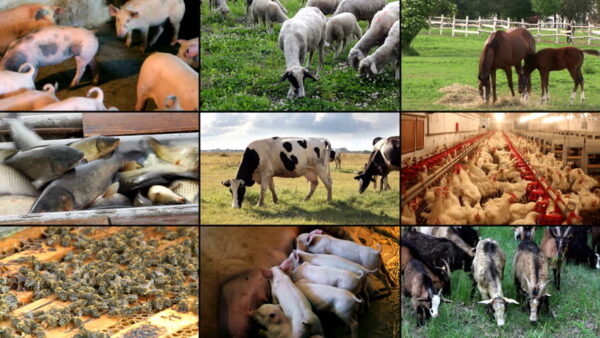
Behind the productivity of healthy livestock lies an ongoing threat from bacterial diseases that can affect animal welfare, farmers’ livelihoods and public health. Colibacillosis is one such disease, posing a significant challenge to poultry and livestock production worldwide. Caused by pathogenic strains of Escherichia coli (E. coli), the disease can lead to severe intestinal infections, respiratory complications, septicaemia and death.
Although E. coli naturally inhabits the intestinal tract of humans and animals, certain strains possess characteristics that enable them to cause serious infections. The disease is particularly important in poultry farming, where it can result in considerable economic losses through increased mortality, reduced growth and poor production performance. In young livestock, it may cause severe diarrhoea, dehydration and systemic infections.
Beyond its effects on animal health, colibacillosis has important public health implications, particularly because some E. coli strains can cause foodborne infections in humans. The emergence of antimicrobial resistance further complicates its prevention and treatment. Addressing this disease therefore requires a coordinated approach involving veterinary professionals, livestock farmers, public health authorities and environmental health specialists.
Background and Epidemiology
Colibacillosis is a bacterial disease caused by pathogenic strains of Escherichia coli, a Gram-negative, rod-shaped bacterium belonging to the family Enterobacteriaceae. Although many strains are harmless, others possess virulence factors that enable them to invade tissues, produce toxins and cause disease.
The disease affects several animal species, including poultry, cattle, sheep, goats and pigs. In poultry, avian pathogenic E. coli (APEC) is associated with respiratory infections, airsacculitis, pericarditis, perihepatitis and septicaemia. In cattle and other young livestock, enteric strains may cause severe diarrhoea, while invasive strains can result in systemic infections.
Colibacillosis occurs worldwide, with its prevalence influenced by environmental conditions, animal age, immune status and farm management practices. Intensive livestock production systems may experience considerable disease challenges when overcrowding, inadequate ventilation and poor sanitation create favourable conditions for bacterial transmission.
The disease is particularly concerning in young animals because their immune systems are still developing. Inadequate colostrum intake, nutritional deficiencies and exposure to contaminated environments can increase their susceptibility. These factors demonstrate why effective disease prevention must begin with sound animal husbandry and appropriate veterinary supervision.
Causes and Contributing Factors
The development of colibacillosis is influenced by the interaction between pathogenic bacteria, susceptible animals and environmental conditions. Although exposure to E. coli is common, clinical disease often develops when the animal’s natural defence mechanisms are compromised.
One major contributing factor is poor farm hygiene. Contaminated feed, drinking water, animal housing and equipment can serve as sources of infection. Inadequate cleaning and disinfection allow bacteria to accumulate, increasing the likelihood of exposure.
Overcrowding is another important factor, particularly in intensive poultry production. High stocking densities increase animal contact, facilitate the spread of infectious agents and contribute to environmental stress. Poor ventilation can further aggravate the situation by allowing dust, moisture and ammonia to accumulate, damaging the respiratory tract and increasing susceptibility to infection.
Stress associated with transportation, sudden environmental changes, poor nutrition and inappropriate handling can also weaken an animal’s resistance. In newborn livestock, failure to receive sufficient high-quality colostrum increases the risk of infection because passive immunity is essential during early life.
Furthermore, concurrent infections can contribute to the development of colibacillosis. Respiratory diseases in poultry, for example, may damage protective barriers and create opportunities for pathogenic E. coli to establish secondary infections.
Clinical Manifestations and Effects on Animal Health
The clinical presentation of colibacillosis varies according to the animal species, age, bacterial strain and organs affected. In poultry, the disease may present as a respiratory infection, systemic infection or a combination of both.
Affected birds may exhibit coughing, sneezing, difficulty breathing, reduced feed intake, depression, ruffled feathers and poor growth. In severe cases, septicaemia can develop, leading to sudden death and increased flock mortality.
Postmortem examinations frequently reveal airsacculitis, pericarditis and perihepatitis. These conditions are characterised by inflammation and, in many cases, the accumulation of fibrinous material around affected organs. Such findings are particularly important in veterinary diagnosis.
In young calves, lambs, kids and piglets, colibacillosis commonly causes diarrhoea, dehydration, weakness and reduced appetite. Severe infections may progress to septicaemia, joint infections or meningitis. Without prompt intervention, affected animals may die, particularly when they are very young or have inadequate passive immunity.
The severity of these clinical manifestations highlights the importance of early disease recognition, accurate diagnosis and appropriate veterinary intervention.
Diagnosis and Veterinary Management
Effective management of colibacillosis begins with accurate diagnosis. Since several bacterial, viral and parasitic diseases can produce similar clinical signs, relying exclusively on clinical examination may lead to misdiagnosis.
Veterinarians should consider the animal’s clinical history, age, management conditions and the pattern of disease within the herd or flock. Postmortem examinations can provide valuable evidence, particularly when characteristic lesions are present.
Laboratory investigations, including bacterial culture and antimicrobial susceptibility testing, are important for confirming infection and guiding treatment. Molecular diagnostic techniques, such as polymerase chain reaction (PCR), can also identify specific virulence factors associated with pathogenic strains.
Treatment depends on the affected species, the severity of infection and the clinical presentation. Antimicrobial therapy may be necessary in confirmed bacterial infections, particularly those involving septicaemia. However, the selection of antibiotics should be guided by veterinary assessment and, where possible, laboratory susceptibility results.
Supportive treatment is equally important. Fluid and electrolyte replacement can help manage dehydration in animals suffering from diarrhoea, while adequate nutrition, appropriate housing and good nursing care support recovery.
Responsible antimicrobial use is essential because indiscriminate antibiotic administration contributes to the emergence and spread of resistant bacteria. Veterinary professionals must also ensure that the withdrawal periods for medicines used in food-producing animals are observed.
Public Health Implications: The One Health Connection
Colibacillosis is not exclusively an animal health concern. Certain pathogenic E. coli strains can cause serious illnesses in humans, making the disease relevant to veterinary public health and food safety.
Human exposure may occur through the consumption of contaminated meat, unpasteurised milk, contaminated water or direct contact with infected animals and their faeces. Poor hygiene during slaughter, processing, food preparation and storage can increase the risk of food contamination.
Some pathogenic strains cause gastrointestinal illness, with symptoms including diarrhoea, abdominal pain, vomiting and, in certain cases, bloody stools. Shiga toxin-producing E. coli can cause severe complications, including haemolytic uraemic syndrome, which may result in kidney damage.
Antimicrobial resistance presents another major public health concern. Resistant E. coli can spread between animals, humans and the environment through several pathways. The use and misuse of antibiotics in livestock production may contribute to the selection of resistant bacteria, potentially making infections more difficult to treat.
However, not every E. coli strain found in animals is capable of causing human disease. Understanding the characteristics of different strains and their transmission pathways is essential for developing appropriate prevention and control measures.
A One Health approach is therefore necessary to address the interconnected risks to animal health, human health and the environment. Cooperation among veterinarians, medical professionals, farmers, food safety authorities and environmental health specialists can strengthen surveillance and reduce the risk of transmission.
Economic and Social Impact on Livestock Production
The economic consequences of colibacillosis can be substantial, particularly in intensive livestock production systems. Increased mortality, reduced weight gain, poor feed conversion and lower productivity can significantly affect farmers’ incomes.
In poultry production, outbreaks may lead to increased expenditure on veterinary treatment, reduced meat production and losses associated with bird mortality. In dairy and beef production, infections in young calves can result in additional treatment costs, delayed growth and reduced productivity.
Smallholder farmers may be particularly vulnerable because they often have limited access to veterinary services, diagnostic laboratories and effective disease prevention resources. Disease outbreaks can threaten household income, reduce the availability of animal-source foods and undermine the sustainability of livestock farming.
Beyond the immediate financial losses, the consequences may extend to food security and the livelihoods of communities that depend on livestock production. Effective disease control is therefore important not only for animal welfare but also for agricultural development and economic stability.
Prevention and Control: A Sustainable Way Forward
Preventing colibacillosis requires a comprehensive approach that addresses the major risk factors associated with infection. Good farm management, effective biosecurity and responsible veterinary care are central to reducing disease occurrence.
Maintaining clean animal housing, regularly disinfecting equipment and providing safe drinking water can reduce environmental contamination. In poultry production, adequate ventilation and appropriate stocking densities help maintain healthy respiratory conditions and minimise stress.
For newborn livestock, ensuring timely intake of sufficient high-quality colostrum is essential for developing passive immunity. Providing balanced nutrition, appropriate housing and good animal welfare practices also helps strengthen resistance to infection.
Vaccination may be useful in selected production systems, depending on the animal species, available vaccines and the pathogenic strains circulating in the area. However, vaccination should form part of a broader disease prevention programme rather than replace sound management practices.
Farmers should also receive adequate training in recognising clinical signs, implementing biosecurity measures and seeking veterinary assistance when disease is suspected. Regular disease surveillance and timely laboratory investigations can support early detection and appropriate intervention.
Finally, responsible antimicrobial stewardship must remain a priority. Reducing unnecessary antibiotic use, conducting susceptibility testing and educating farmers about the dangers of improper medication are essential steps towards controlling antimicrobial resistance.
Conclusion: Strengthening Animal Health Through Collective Responsibility
Colibacillosis remains a significant challenge to livestock production, animal welfare and public health. Its ability to cause severe disease in different animal species, together with the growing concern surrounding antimicrobial resistance, makes it an important priority for veterinary medicine.
Controlling this disease requires more than treating infected animals. It demands improved farm hygiene, effective biosecurity, appropriate nutrition, reliable veterinary services and responsible use of antimicrobial medicines. Equally important is strengthening cooperation between animal health and public health professionals to reduce foodborne infections and limit the spread of resistant bacteria.
As a veterinary public health concern, colibacillosis reminds us that animal health and human health are closely interconnected. Sustainable livestock production depends on recognising this relationship and taking preventive action.
Protecting animal health is not merely about preventing disease; it is an investment in food safety, public health, farmers’ livelihoods and the well-being of future generations.




















You must be logged in to post a comment Login