Africa
Dikko Junction Petrol Tanker Explosion And Other Matters, by Hajia Hadiza Mohammed


The news of the tragic oil tanker explosion that occurred at Dikko Junction along Abuja-Kaduna Express way was tragic and horrifying but did not come as a surprise to anyone given that such tragic incidents have become a commonplace in Nigeria. A news report has it that on Saturday 18th January, 2024, an oil tanker carrying about 60,000 liters of fuel fell at Dikko Junction near Suleija, Niger State and while effort was being made to trans load the product from the damaged tanker to another, some members of the community gathered to scoop fuel from the broken-down tanker and in the process igniting fire that engulfed the environment leading to the death of about 98 people while many sustained varying degrees of burns and injuries. The victims were mostly youths and women who saw the situation as an opportunity to help themselves with the Premium Motor Spirit (PMS) and probably make some quick money from the thriving black market that has become part of fuel supply in the country.
Clearly and sadly, the oil tanker explosion is becoming a recurring factor in Nigeria of today. A research investigation reveals that in the last 16 years; between January, 2009 and January, 2025 there have been 172 cases of tanker explosions with about 1,896 deaths and countless number of injuries in varying degrees. Before the recent incident that occurred at Dikko Junction in Niger State there were many that occurred last year, the last being on the 15th October, 2024 in Majia town in the Taura Local Government Area of Jigawa State that claimed over 180 lives. In fact, since the advent of the current regime and the consequent removal of the oil subsidy, Nigeria has witnessed about 28 incidences of oil tanker explosion resulting in 468 deaths in last 20 months.

The recurring incidences of these explosions show that Nigerians do not learn from the past. After the pipeline explosion that occurred on the 18th day of October, 1998 in Jesse town in Delta State that claimed about 1,082 lives, following the attempts by some people to burst the oil pipeline to steal the product, it is expected that members of the public should have learn from it.
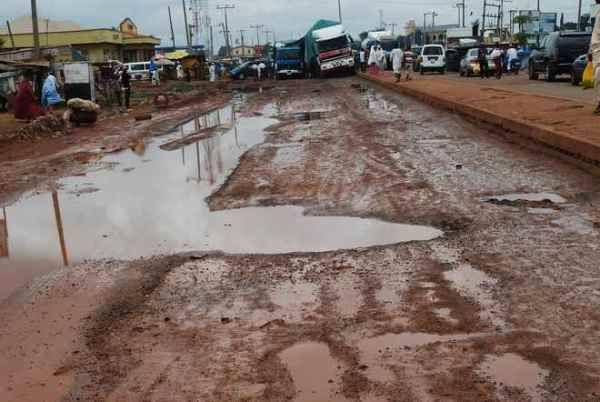
The frequent occurrence of the oil tanker explosion has been attributed to many factors such as: vehicle collisions, vehicle break-down, lack of maintenance of the oil tankers, not observing safety regulations, carelessness of the tanker drivers and other human errors. Of course, there is the issue of poor state of our roads that causes frequent break-down of tankers and government negligence. But beyond that is issue of the individuals scooping fuel illegally from a broken-down tanker.
The issue of the individuals going down to scoop fuel from a broken down tanker is not about man’s insatiable quest for money as is supposed by some but it is the result of ignorance, joblessness and poverty. While ignorance of the danger inherent in scooping fuel might be a factor, it is obviously not the major factor. The major factors are joblessness and poverty. An actively engaged person would not want to have anything to do with a broken down tanker if he has nothing to do with the repair of the affected tanker or trans-loading of the product.
Indeed, poverty is at root of the whole problem of petrol tanker explosions. Nigerians are impoverished by wrong government policies. Nigeria has become the poverty capital of Nigeria with over 100 million wallowing in abject poverty. While many scavenge for food from refuse dumps, many others are at the mercy of others for a meal a day. So, people living under this condition of impoverishment will do anything including scooping fuel from a broken-down tanker just to get a meal. It is neither greed nor selfishness but survival instinct. A hungry man is not just an angry man but a desperate man; desperate for survival. He may also be a dangerous man: constituting danger not just to others but to himself.
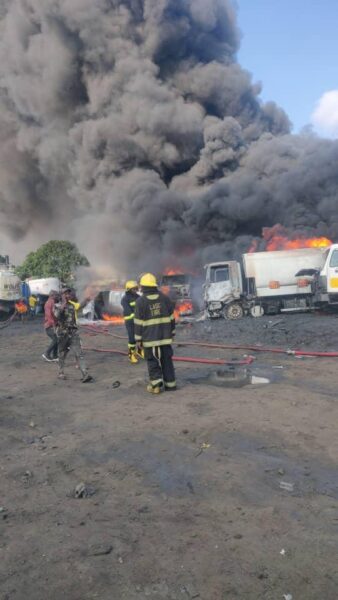
The government has the greater role to play in curtailing this scourge of tanker explosion. It is suggested that the government should step up the enlightenment campaign on the dangers of getting involved in tampering with highly inflammable products like petrol and gas. But some believed that such campaigns may not get the desired effects because of poor facilities. Many analysts recommend that the government should specify and enforce safety rules or find safer means of transporting highly inflammable products and punish offenders according. Transporting petroleum product by road has become a grave danger for the people due to negligence and human errors.
Finally, it is generally believed providing jobs and creating the necessary environment for economic activities to thrive will empower the people and alleviate poverty that is the main cause of desperation for survival. Actually, when the people are comfortable, nobody will indulge in the risk of tampering with a loaded oil tanker.
Hajia Hadiza Mohammed
An actress, social activist, politician
London, UK