
Forgotten Dairies
Drug Abuse Among Nigerian Youth: A Threat to National Development -By Hajja Kaka Faradin
Young people themselves also have a responsibility. Choosing positive friendships, seeking support during difficult periods, participating in productive activities, and rejecting the pressure to misuse drugs are decisions that protect not only individual futures but also the well-being of society as a whole. Every young Nigerian who remains healthy, educated, and productive becomes an asset to national development.

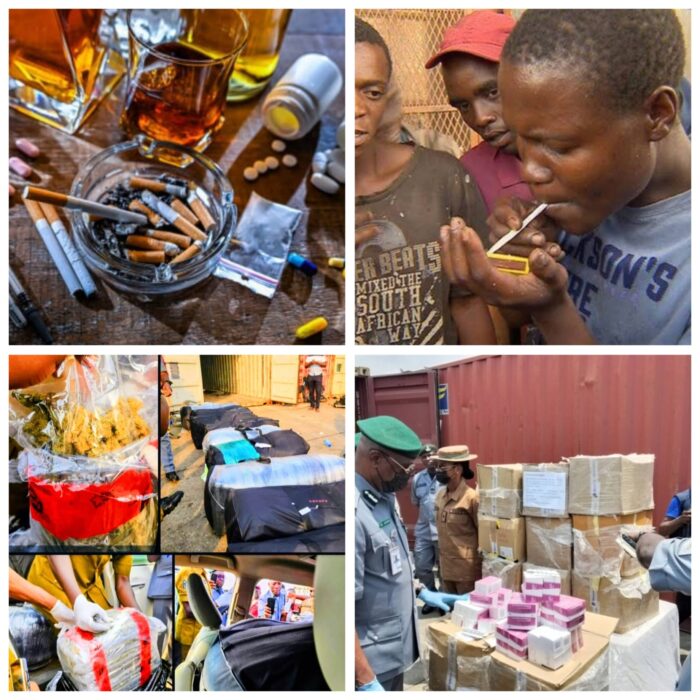
Nigeria’s greatest resource is not its oil, minerals, or vast agricultural land—it is its young people. With more than half of the country’s population under the age of 35, the future of national development depends largely on the health, productivity, and creativity of its youth. Yet this future faces a growing threat: drug abuse. Across schools, universities, communities, and urban centres, increasing numbers of young Nigerians are becoming trapped in substance abuse, undermining not only their personal ambitions but also the country’s social and economic progress.
Drug abuse refers to the harmful or excessive use of legal or illegal substances in ways that damage an individual’s physical, mental, or emotional well-being. In Nigeria, commonly abused substances include cannabis, tramadol, codeine-based cough syrups, methamphetamine, and other psychoactive drugs. The scale of the problem is alarming. According to the joint 2018 Drug Use in Nigeria survey conducted by the United Nations Office on Drugs and Crime (UNODC) and the National Bureau of Statistics (NBS), an estimated 14.3 million Nigerians aged 15–64, representing 14.4 per cent of the population, used psychoactive substances within a one-year period. The report identified cannabis as the most commonly used drug, followed by prescription opioids such as tramadol and codeine. While some young people begin using drugs out of curiosity or peer pressure, others turn to them in an attempt to cope with unemployment, family problems, academic stress, poverty, or mental health challenges. What often begins as experimentation can quickly develop into dependency with lasting consequences.
The effects of drug abuse are evident in many parts of society. In schools and universities, students who misuse drugs frequently experience declining academic performance, poor attendance, disciplinary problems, and, in severe cases, withdrawal from their studies. Families also bear the burden as addiction damages relationships, increases financial hardship, and contributes to emotional distress. Communities are affected through rising insecurity, violence, and other social problems that often accompany substance abuse.
The impact extends beyond individuals and families to the nation’s development. A country cannot achieve sustainable growth when a significant proportion of its young population is unable to realise its full potential. Drug abuse reduces productivity, weakens the workforce, increases healthcare costs, and places additional pressure on security and social welfare systems. This concern is reinforced by recent data from the National Drug Law Enforcement Agency (NDLEA). Speaking at the commemoration of the 2026 International Day Against Drug Abuse and Illicit Trafficking, the Chairman/Chief Executive of the NDLEA disclosed that more than 60 per cent of the 77,859 drug offenders arrested by the agency over the previous five years were young people. He also revealed that the majority of the 48,836 drug users who received counselling and treatment in NDLEA facilities during the same period were youths, highlighting the disproportionate impact of substance abuse on Nigeria’s younger population. These figures underscore the urgent need for sustained investment in prevention, education, rehabilitation, and youth empowerment. Young people who could become teachers, engineers, entrepreneurs, healthcare professionals, researchers, or public servants instead risk losing opportunities because of addiction and its consequences.
Addressing this challenge requires understanding its underlying causes. High youth unemployment, limited recreational opportunities, weak family support systems, poor awareness of the dangers of substance abuse, and the easy availability of certain drugs all contribute to the problem. One university student, who preferred to remain anonymous, observed:
“The biggest causes of drug abuse among young people today are stress, mental health struggles, peer influence, and the easy availability of drugs. Many youths use drugs to cope with pressure or anxiety, while friends and social media often make substance use seem normal. Without proper awareness of the risks, many underestimate the long-term consequences.”
This perspective reflects the realities faced by many young Nigerians today. In some cases, social media, celebrity influence, and peer groups normalise substance use, making experimentation appear harmless despite its serious long-term effects.
Combating drug abuse therefore demands a comprehensive response. Parents and guardians must maintain open communication with their children, provide guidance, and recognise early warning signs of substance misuse. Schools and universities should strengthen counselling services, organise regular awareness campaigns, and create environments where students feel comfortable seeking help without fear of stigma. Community leaders, religious institutions, and civil society organisations also have important roles in educating young people and promoting healthy lifestyles.
Government agencies must continue to strengthen efforts to prevent drug trafficking, regulate controlled substances, and expand access to treatment and rehabilitation services. At the same time, greater investment in education, vocational training, entrepreneurship, sports, and youth empowerment programmes would provide many young people with constructive alternatives and renewed hope for the future. Prevention remains far more effective and less costly than treating addiction after it has taken hold.
Young people themselves also have a responsibility. Choosing positive friendships, seeking support during difficult periods, participating in productive activities, and rejecting the pressure to misuse drugs are decisions that protect not only individual futures but also the well-being of society as a whole. Every young Nigerian who remains healthy, educated, and productive becomes an asset to national development.
Drug abuse is more than a personal health issue; it is a national development challenge. The future of Nigeria depends on a generation capable of learning, innovating, and contributing meaningfully to society. Protecting that future requires collective action from families, educational institutions, communities, government, and the youth themselves. By investing in prevention, education, rehabilitation, and opportunities for young people, Nigeria can reduce the impact of drug abuse and build a healthier, safer, and more prosperous nation.
























You must be logged in to post a comment Login