
Africa
Gambling in Nigeria: A Growing Concern -By Ariwoola Samuel Akinwale
At a research level, there is a need for more extensive investigation, particularly into the role of globalization in shaping our lifestyles. For example, we need a holistic understanding of how internet accessibility and exposure increase susceptibility among young Nigerians.

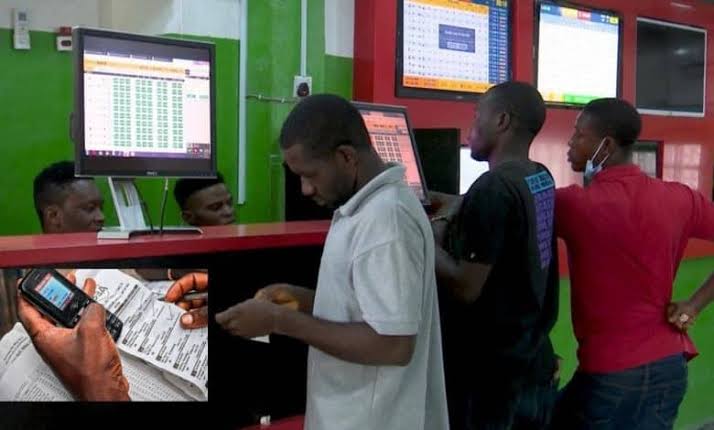
“I want people to understand, gambling is not a bad thing if you do it within the framework of what it’s meant to be, which is fun and entertaining.” —Michael Jordan
This expression captures the mood toward gambling and betting among Nigerian youth today. Yet, it raises serious national concerns beyond mere fun and entertainment. While the betting industry creates employment opportunities for an army of unemployed Nigerians and constitutes a thriving source of revenue for the government, the social pathology it portends for the youth cannot be ignored.
Sports betting and gambling are becoming the norm among Nigerian youths. The industry has grown over the years since it was legalized in the 1990s. Today, it attracts customers from all walks of life—employed and unemployed, male and female, adults and youth, including underage individuals and other vulnerable subgroups.
The Nigerian Tribune reported in December 2024 that over 75% of Lagos residents are involved in betting, with Abuja at 65%. The majority of these bettors are between 18 and 40 years old. It’s difficult to narrow this development to a single cause. Pundits have attributed this trend to the country’s economic hardship—the downturn in its development trajectory. This includes high unemployment, soaring cost of living, insecurity, lack of marketable skills, and general restlessness. But few studies have been carried out on the relationship between economic instability and the rise in gambling in Nigeria. This leaves a significant gap in our understanding of the economic situation and the gambling culture.
On October 5, 2024, the Nigerian Tribune reported that Michael Eja, the Director General of the Cross River State Lottery and Gaming Agency, claimed that approximately 60 million Nigerians engage in gambling daily. According to the report, Eja further noted that despite the industry’s rapid growth, 90% of the potential market remains untapped. This is deeply unsettling.
Another report by This Day on April 3 reported that the Nigerian betting industry witnessed unprecedented growth in the first quarter of 2025, reflecting a dynamic shift in consumer engagement and technological adoption. A Business Day report from May 19 this year claimed that as the economy continues to squeeze and job opportunities are difficult to come by, millions look to sports betting for survival. It further reported that there are 68.7 million active bettors in Nigeria, as revealed by Business Insider Africa, where Nigeria is ranked as the top sports betting nation on the continent in early 2025.
Psychological studies have shown that sports betting and impulsive gambling have cognitive, behavioral, and emotional dimensions that go beyond the economic situation of the bettors. For some, they are a psychological disorder. Sadly, records on the current rate of participation among Nigerian youth exceed the normal pathological thresholds recognized by psychologists for a cohort.
So, what could be responsible? A cursory observation shows that increasing foreign influence, growing urbanization, consumerism, and a decline in religious influence play significant roles in reshaping this development. For instance, online gambling is now enabled through increased internet penetration by Nigerian youths. Many individuals have raised growing concerns about the socioeconomic implications in terms of debt, mental health, saving culture, and financial responsibilities for gamblers. There are also concerns about this for the education, psychological development, and overall future of young Nigerians.
At a research level, there is a need for more extensive investigation, particularly into the role of globalization in shaping our lifestyles. For example, we need a holistic understanding of how internet accessibility and exposure increase susceptibility among young Nigerians.
In the area of advocacy, the clamor for regulation, particularly to protect underage users who are becoming prime victims, should be stronger. Betting platforms that target betting ads to youth raise concerns.
Finally, there is a less pronounced dimension emerging through traditional media. Increasingly, many TV and radio stations are promoting betting and lottery-style programs. This development is normalizing gambling in everyday culture, shifting it from an economic survival tool to a social pastime. This trend should be addressed because it portends an existential family crisis, raising a generation of broken homes and irresponsible parents. This now demands our collective social reflection and proactive effort to develop a youth culture where gambling cannot be another pastime or “steez.”
Ariwoola Samuel Akinwale wrote this piece from Lagos
ariwoolaakinwale@gmail.com
08059120749



























You must be logged in to post a comment Login