
Forgotten Dairies
Guinea’s Minerals Are Not a Blank Compensation Check, by Fransiscus Nanga Roka
Guinea’s mineral resources are part of a development strategy. The public treasury must not become a victim of arbitrary mandates or wishful thinking about corporate performance.

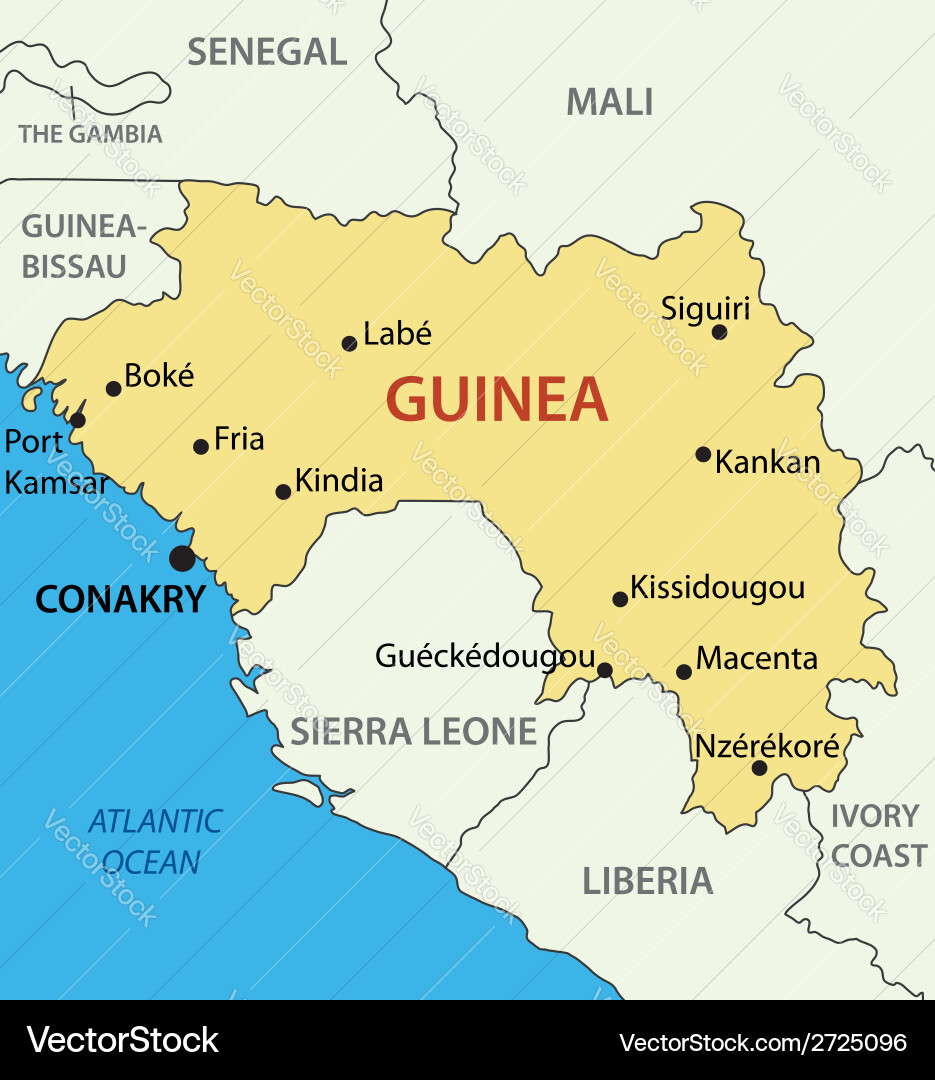
Guinea needs to draw a distinction between sovereignty and licence to rule. Axis International must stop thinking that underground bauxite will automatically lead to billions in the future. The $28.9 billion row challenges not just state power but corporate valuation, to scrutiny
Investor from the UAE gives notice of intent to dispute cancelled mining rights under May 2025 deadline for its Boffa operation Axis International Limited v. Republic of Guinea, ICSID ARB/26/3, registered January 16, 2026 While version further added that appointments of the arbitrators were still under way, in fact, the tribunal consistent was constituted on June 12. Axis relied on the 2011 Guinea–UAE investment treaty and, on the back of that as your expert will explain, Guinea’s Investment Code. Registration establishes a proceeding not liability.
The factual confrontation is stark. Axis claims the allegedly underutilised mine recovered 18 million tonnes in 2024 and contains over 800 million tonnes of reserves. Bouna Sylla, the mining minister of Guinea, disputes whether the company was complying with rules surrounding tax and subcontracting. No case is adjudicated based on either account. These are separate questions related to production, contractual performance and tax compliance.
The broader goal of Guinea capturing a greater share of mineral revenues and more processing value locally is legitimate. Dependence is further entrenched by exporting raw resources, while importing costly finished goods. Yet, developmental ambition is not a justification for defective notice, discriminatory enforcement or uncompensated taking where compensation is constitutionally required.
On the other hand, investment protection can not turn into insurance against all lawful regulatory acts. Always that there are duties that may be implementable for example with a earnings operation. The tribunal should review the underlying permit, the relevant protections, any violations and notice and revocation processes.
Then, comes the question that worths $28.9 billion.
A geological reserve is not a bank account. The recoverable value varies based on mineral quality, expenses to extract it, geological deposit location and accessibility infrastructure in the location where it is extracted, taxes associated with production versus the price of minerals plus any obligations to environmental remediation as well as remaining term of protection for legal rights. Under settled law, any compensation must cor- respond to a loss that is proven, not just the number assigned by an appraiser to everything below the earths surface.
Axis’s demand as publicly reported warrants careful scrutiny of causation, valuation assumptions and its financial interest in the project. If Guinea is proved to be wrong, that wont automatically prove the maths of the claimant.
This rhetoric around enforcement is also due to burial. Conseñas warned that Guinea could lose donor backing and access to financial markets. While this is a warning from the company, it is not an automatic result of filing your ICSID claim. It must be arbitration and not financial pressure that determines legal entitlement.
Five steps could keep this battle from turning into yet another expensive war waged over citizens’ heads.
For example, Guinea should retain and publish all records related to permit issuance, including findings by inspectors as well as assessments of taxation obligations for specific permits and any subsequent cancellation notices, with only narrowly justified exemptions from disclosure. Defend the decision through evidence.
Second, Axis needs to support its assertions about revenue ownership, amount spent on acquisition and production as well as its valuation assumptions with independent records that can be verified. Corporate PR cannot do the work of audited evidence.
Third, the parties are not to prejudge liability by mediating. Written in this way, no settlement can bury its fiscal consequences from the public eye or stake contested rights behind a veil of private negotiations.
Fourth, Guinea should create predictable enforcement: measurable obligations; notice; reasonable opportunity to remedy breaches (where appropriate); and independent review before cancellations.
Fifth, secure consultation, resource rents and mighty development in favour of beset workers and communities. Both settlement and future mining policy should reflect their interests.
The tribunal must reject the two pernicious propositions: that sovereignty wipes away commitments, and that investment treaties guarantee windfall profits.
Guinea’s mineral resources are part of a development strategy. The public treasury must not become a victim of arbitrary mandates or wishful thinking about corporate performance.
Fransiscus Nanga Roka
Faculty of Law University 17 August 1945 Surabaya and Managing Partner Law Firm Victorious Indonesia
























You must be logged in to post a comment Login