
Forgotten Dairies
Hunger Knows No Defection -By Hon. Femi Oluwasanmi
Until that happens, the political class in Nigeria may continue to celebrate, defect, and realign, but the average Nigerian will keep asking the same haunting question: When will hunger and poverty defect from Nigeria? Because in the end, hunger knows no defection.


As waves of political defections continue to sweep across Nigeria’s political landscape, one stubborn question remains unanswered: When will hunger and poverty defect from Nigeria? Until that day comes, defection will remain meaningless because of the widening gulf between the rich and the poor and the threat it poses to peace, stability, and progress of the nation.
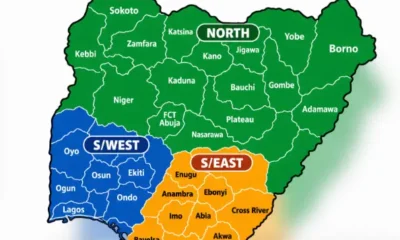
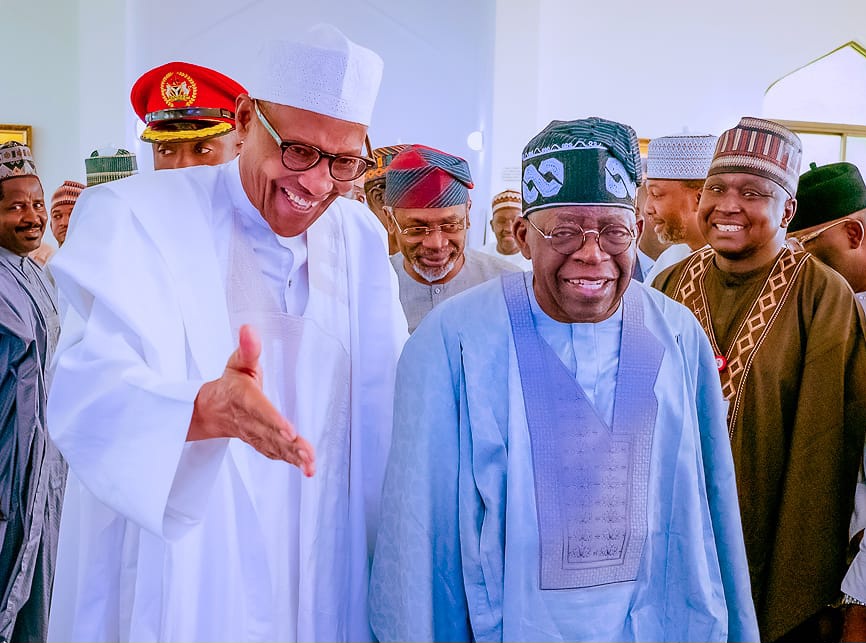
In recent days, Nigerians were greeted with the news of two governors from the Peoples Democratic Party (PDP) defecting to the ruling All Progressives Congress (APC) while the party bigwigs laughed heartily before the cameras, boasting that the APC was waxing stronger, especially in the South-East, a region where it has long faced political resistance. For them, the defections represented growth, unity, and consolidation of power. But for ordinary citizens, struggling daily with hunger, unemployment, and rising prices, such celebrations offered little comfort. The defections might have shifted the political frontlines, but they have done nothing to shift the economic realities that continue to crush millions of Nigerians.
When the APC came to power in 2015, it rode on the wings of a powerful promise of Change. Eight years later, with the country still grappling with corruption, insecurity, and poverty, the same party returned with a new mantra, Renewed Hope. Yet, for many Nigerians, that renewed hope has turned into renewed hardship. Prices of goods and services have skyrocketed. Transportation costs have risen steeply. The naira has continued to lose value against the dollar. Across markets and homes, despair has replaced optimism.
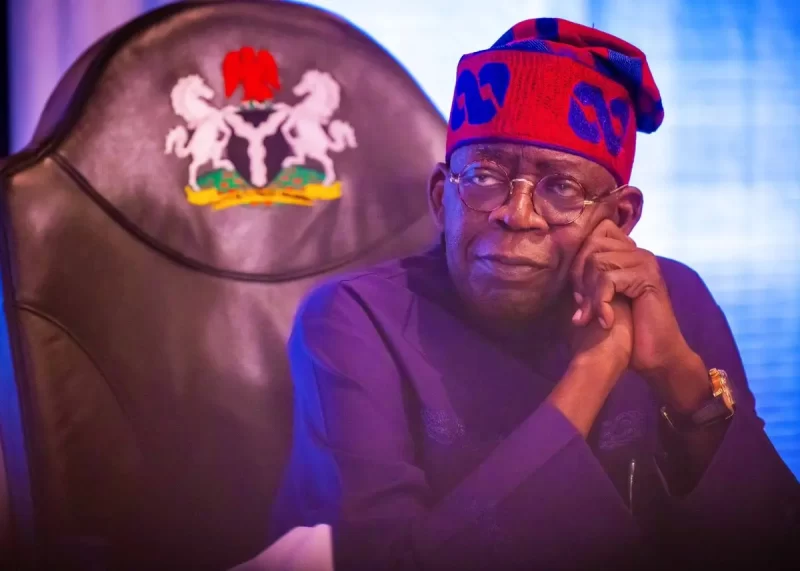
The anti-corruption campaign that once energized voters has lost its shine, appearing more like a political slogan than a genuine reform effort. Ironically, President Bola Ahmed Tinubu, while campaigning in 2022, openly criticized his own party for failing to deliver the change it promised Nigerians in 2015. But barely two years into his tenure, it seems the president still continue to tread the same familiar path, one filled with grand rhetoric but little relief.
Though, the “hallelujah governors” who have recently defected to the APC continue to sing praises of the president’s achievements, but the evidence on the ground tells a different story that is not likely to change even with their defection to the rulling party because the defection of those before them did nothing to change the narrative.
In markets across the country, the realities are harsh and unrelenting. A bag of rice now sells for more than double its price from a few years ago. Bread, once a staple in most households, has become a luxury. Transportation fares have doubled, sometimes tripled, since the removal of fuel subsidy. Parents are struggling to keep their children in school, and small business owners are closing shops because they can no longer cope with the high cost of electricity, rent, and raw materials.
The middle class, once seen as the engine of economic stability, is disappearing. More people who once considered themselves comfortable have now joined the ranks of the poor. The World Bank recently reported that the number of Nigerians living below the poverty line has climbed to 139 million, up from 96 million under the previous administration. This means that well over half of the country’s population now lives in extreme poverty. For a nation blessed with vast natural and human resources, such statistics are both painful and shameful.
Though, the federal government in its usual manner continues to plead with citizens to endure the current hardship, describing it as a “necessary sacrifice” for a better tomorrow. The same assurances offered under the previous administrations and yet the promised prosperity has never arrived. In fact, many citizens are beginning to lose faith not just in political parties but in the entire political process because of the cycling promises, patience, and disappointment that has become the recurring rhythm of Nigerian governance under the watch of APC.
During the recent 80th anniversary of the United Nations held in Abuja, Nigeria renewed its call for reforms that would allow it to secure a permanent seat on the UN Security Council. It is, on paper, a commendable demand, an effort to assert Nigeria’s rightful place on the global stage. But such ambition must be matched by internal progress. How can a country that struggles to feed its people and stabilize its currency hope to take a leadership role among the world’s powers? Before Nigeria can command global respect, it must first put its domestic house in order.
The irony is striking. This was once a country that financed liberation movements across Africa, sent peacekeepers to war-torn nations, and provided scholarships to foreign students. Today, the same country borrows from one international lender to another, searching for financial relief the way shoppers hunt for bargains in a crowded market. Borrowing, in itself, is not a sin. Many nations borrow to build infrastructure and stimulate growth. But when loans are mismanaged, diverted, or spent on consumption rather than production, as it is in many instances in Nigeria, the result will be a heavier debt burden and a loss of national dignity.
If Nigeria truly wishes to earn global influence, it must first reform its domestic economy. The government should focus on policies that improve food security, promote industrial growth, and restore the purchasing power of ordinary citizens. Education and healthcare must be revitalized to prepare a generation that can compete globally. The fight against corruption must go beyond political slogans and become a consistent, transparent system that rewards integrity and punishes greed. Economic diversification must be more than a talking point, it should be a deliberate strategy supported by infrastructure, credit facilities, and a stable regulatory environment.
Above all, leaders must reconnect with the realities of the people they govern. Governance is not about celebrating political defections or holding endless meetings in air-conditioned halls. It is about creating jobs, making food affordable, and ensuring that Nigerians can live with dignity. A country’s progress should not be measured by the number of politicians switching parties, but by the number of citizens lifted out of poverty.
Political defections will always happen in Nigeria; they are part of our political culture. But hunger does not care about political affiliations. Poverty does not check party membership cards before it strikes. Whether one belongs to the APC, PDP, or any other party, hunger bites the same way. Inflation, unemployment, and insecurity know no political boundaries. Until the APC leadership understand this simple truth, the country will continue to chase shadows while its people suffer.
What Nigeria desperately needs today is not another wave of defections, but a defection of hunger, hopelessness, and despair. The federal government must make poverty itself the next to cross over out of the country, once and for all. Only then can Nigerians begin to experience the true meaning of renewed hope.
Until that happens, the political class in Nigeria may continue to celebrate, defect, and realign, but the average Nigerian will keep asking the same haunting question: When will hunger and poverty defect from Nigeria? Because in the end, hunger knows no defection.
Hon. Femi Oluwasanmi,
Special Assistant to the Governor of Osun State,
Secretary, Ijesa South Special Assistants Forum,
Admin, Osun State Special Assistants Forum.
Date: 25th October, 2025


















You must be logged in to post a comment Login