Forgotten Dairies
Insecurity in Nigeria: A Call for Responsible Governance and Citizen Protection -By Yusuf Kabiru David
Nigeria’s security challenges require collective responsibility, but the government must lead the way. Protecting citizens, strengthening institutions, promoting transparency, and rewarding those who defend the country are essential steps toward building a safer and more prosperous Nigeria.


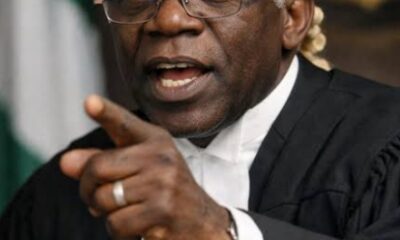
The rising insecurity in Nigeria has generated serious debate about how best to protect lives and property and restore confidence in the nation’s security system. These concerns were also reflected in discussions at the Nigerian Bar Association (NBA) conference, where important issues affecting the country and its citizens were examined.
From my perspective, several statements and observations made during the conference offered valuable insights into the challenges facing Nigeria. One message remains clear: the protection of citizens and their property must be a top priority for the military, government, and all relevant institutions.
We must ask ourselves an important question: Is this the democracy that the government promised the Nigerian people? Democracy should guarantee the protection of lives, property, justice, and fundamental rights. When citizens continue to live in fear and uncertainty, there is a need for government to critically examine what is not working and take practical steps to address it.
One of the panel discussions also raised concerns about the increasing influence of non-gunmen in areas traditionally associated with government responsibilities. This should encourage the government to strengthen its institutions and ensure that individuals seeking political office undergo proper background checks. Anyone aspiring to become a public office holder should have a record that can withstand public scrutiny, because leadership is a responsibility that requires integrity, competence, and accountability.
Transparency must also become a major priority. Government should work closely with the media to provide accurate and timely information about its activities, particularly those relating to security and the welfare of citizens. An informed public is better positioned to understand government policies and hold leaders accountable.
Furthermore, the government should consider increasing the recruitment and proper deployment of security personnel where necessary. However, increasing manpower alone is not enough. Military and other security personnel must be properly trained, equipped, adequately paid, and provided with decent accommodation and welfare packages. Those who risk their lives to protect the nation deserve to be treated with dignity.
Nigeria’s security challenges require collective responsibility, but the government must lead the way. Protecting citizens, strengthening institutions, promoting transparency, and rewarding those who defend the country are essential steps toward building a safer and more prosperous Nigeria.
The time has come to move beyond discussions and promises and begin implementing practical solutions. A government that protects its people strengthens democracy; a nation that values its protectors strengthens its future.