
Education
Tokyo University’s Medical Bribery Machine Betrayed Public Trust -By Fransiscus Nanga Roka
The scandal in Tokyo is not inherently about tablets, implants or brothels. This is about elite power being beyond accountability. But how is it possible for a university to sell credibility to industry and claim institutional innocence once this credibility becomes a currency?

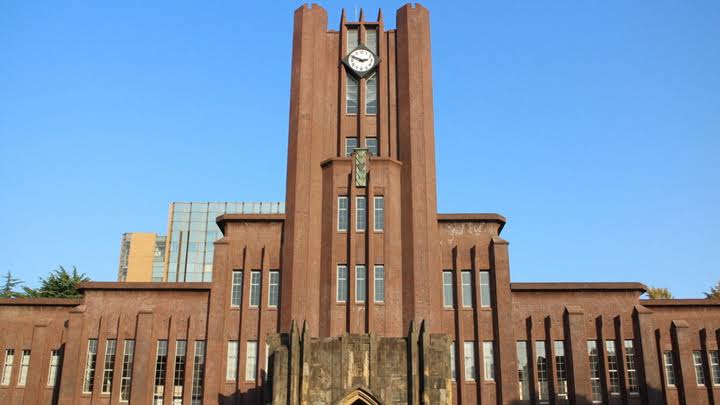
Japan’s most prestigious university was not the victim of two isolated bribery scandals. It revealed an institutional market in which medical authority, corporate money and academic prestige became perilously interchangeable.
The principal players were physicians from the University of Tokyo who had charge over decisions related to research, procurement and ultimately patients. A hospital associate professor, Takehiro Matsubara was arrested on Nov 19, 2025 and indicted in December. Prosecutor said Japan Medical Dynamic Marketing wired ¥800,000 through the university’s deceptively legitimate shōgaku kifu, or academic-donation system and that he favored medical devices the company supplied. About ¥700,000 was freed up for his use. They also reportedly looked into dozens of millions of yen received from various businesses and whether the money had been allocated to personal uses from budgets for research accounts. (The Japan Times)
Next came an even more salacious though structurally identical dermatology scandal.
According to police, Shinichi Sato was arrested on Jan 24, 2026, for receiving ¥1.8 million worth of restaurant meals, entertainment at luxury clubs and commercial sexual services on about 30 occasions. The claimed supplier Koichi Hikichi, a representative of the Japan Cosmetic Association sought preferential treatment to facilitate colliding over cannabinoids for skin disease.
Sato and his former project associate professor Ayumi Yoshizaki were indicted on Feb. 13. Whether they can be held criminally liable is for the courts to decide. But Hikichi confessed to bribery, receiving a one-year suspended prison sentence in May. (The Japan Times)
So why does this matter, outside of Japan?
It was not coincidental that this enterprise was called Todai, it was the product. Medical-device vendors wanted purchasing influence. A cosmetics company sought same scientific credibility forprofit-minded purposes. Academics controlled access to both. Those alleged bribes did the trick, because opaque channels of funding repackaged private interests as public research partnerships.
Weaknesses in monitoring own private-sector funding, lack of awareness of compliance issues and an insular organizational culture that failed to catch misconduct early also have been identified internally by the university. Tanaka, director of the hospital, resigned on Jan 27 and Sato was sacked. Another probe found at least 21 more ethics violations related to meals or gifts from parties with a stake in the outcome.
This is how pharmaceutical corruption captures medicine, not through bribes in cash-filled envelopes but rather philanthropy, co-sponsored chairs, hospitality, discretionary spendings and institutional silencing. The goodwill is negotiable when those opting for implants or devising commercially exploitable research accept benefits from interested parties. Patients cannot tell if evidence was selected by design or laziness; the public cannot tell if research is good for science or marketing.
The governance reconstruction promised by Todai is essential, but insufficient. Japan must legally require full disclosure of each and every industry payment, gift or hospitality benefit reduction associated with individual researchers; outlaw writer-directed discretionary funds; create external funding and conflict-of-interest boards with patient advocates; track research spending through verifiable digital records; protect whistle blowers from retaliation; and defund corporations if proven guilty of bribery.
Interceding research bearing the name of a university is subject to scientific, financial and commercial-use scrutiny including preapproved logos and marketing claims. Contracts, research protocols and funding sources, including negative findings and commercialization rights should also be made public by universities.
The scandal in Tokyo is not inherently about tablets, implants or brothels. This is about elite power being beyond accountability. But how is it possible for a university to sell credibility to industry and claim institutional innocence once this credibility becomes a currency?
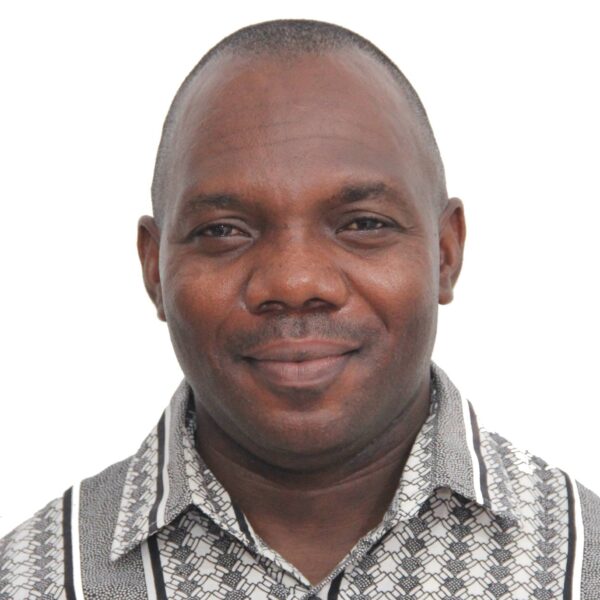
Fransiscus Nanga Roka
Faculty of Law University 17 August 1945 Surabaya and Managing Partner Law Firm Victorious Indonesia
























You must be logged in to post a comment Login