
Forgotten Dairies
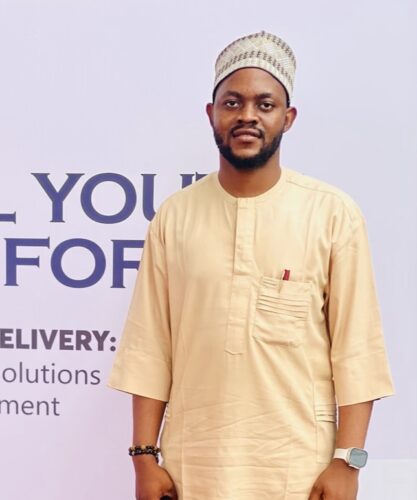
Medicine After Headache: Nigeria’s Long-term Healthcare Blind Spot -By Arise Victor Oluwaseyifunmi
The result is an overstretched health system where both preventive and curative services eventually lack dedicated personnels. Why should prevention experts remain ignored when curative demands continues to rise? Then, the substantial investments being made in cancer centres, equipment and technology risk falling short of their full impact because the workforce needed to sustain both prevention and specialized treatment is poorly deployed.

The approval of a world-class National Institute for Cancer Research and Treatment is a welcome development. Nigeria urgently needs better oncology facilities and more specialists to improve access to quality cancer care. However, the investment also exposes one of the country’s most persistent healthcare flaws: a system that responds to disease only after it has occurred while giving far less attention to preventing it. The African proverb, “Medicine after headache,” aptly captures this approach. Nigeria continue to allocate more resources to treating illnesses than to preventing them, even though prevention remains the most cost-effective and sustainable path to better health outcomes.
The World Health Organization estimates that between 30 and 50 per cent of cancers are preventable. Yet, Nigeria continues to invest more in treating disease than preventing it. The consequences lies in patients walking into the hospital with advanced cancers. Also, hospitals become overcrowded, treatment costs soar whereas survival rates remain poor. The problem goes beyond infrastructure, it is also a workforce issue. Professionals trained specifically in public health and disease prevention are often underutilized or denied the opportunity to practice fully within their areas of expertise. Instead of strengthening preventive services, the system continues to channel resources towards managing diseases after they occur.
Ironically, doctors, nurses and other clinicians who should be advancing their expertise in oncology and specialized clinical care are frequently drawn into public health and administrative roles. The workforce pandemic is driven by institutional hierarchies, derailment from clinical practice and overextension of clinicians to be ‘here and there’. The result is an overstretched health system where both preventive and curative services eventually lack dedicated personnels. Why should prevention experts remain ignored when curative demands continues to rise? Then, the substantial investments being made in cancer centres, equipment and technology risk falling short of their full impact because the workforce needed to sustain both prevention and specialized treatment is poorly deployed.
Unfortunately, it’s not pertained to cancer only as Nigeria spends billions managing hypertension, diabetes, malaria, cholera, among others. Yet, invests comparatively little in the preventive interventions that could significantly reduce these burdens. The cycle is the same: prevention receives limited attention until illness becomes widespread, costly and difficult to control. A resilient healthcare system is measured not by the number of hospitals it builds or treatment centres it commissions, but by the number of people who never require those services because disease was prevented or detected early. Nigeria undoubtedly needs more cancer treatment facilities, but it needs an even stronger commitment to prevention, better workforce planning and a health system that allows every professional to contribute according to their training and expertise.
Until that balance is achieved, we will continue to practice “medicine after headache”. Hence, Public health graduates should be recruited, professionally adequately recognized and empowered to lead disease prevention and health promotion, while doctors, nurses and other clinicians focus on specialized clinical care.
A nation that waits to cure diseases it could have prevented will always spend more, lose more and mourn more.
THE COST OF INACTION IS TOO HIGH!
Arise Victor Oluwaseyifunmi
Writer & Author | Young Academic
Public Health Researcher
Health Systems Reform Advocate | Pan-Africanist






















You must be logged in to post a comment Login