Africa
Kano’s Censorship Board And The New Battle Over Content Creation -By Salaudeen Soliu Olamide
As young people in Kano continue to navigate the crossroads between expression and regulation, one thing is certain: the struggle over who defines morality in the digital space is far from over. In a world where smartphones have become the new stages and cameras the new pulpits, the clash between content and censorship may well define the next chapter of Kano’s social evolution.

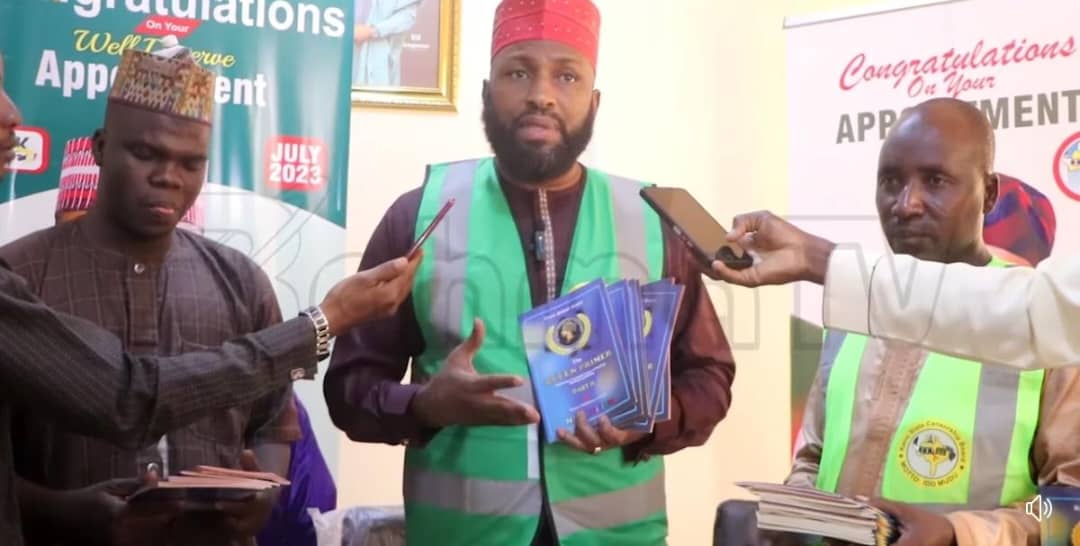
In the age of TikTok trends, YouTube skits, and viral Facebook videos, Kano State finds itself wrestling with a new kind of moral and cultural challenge — the rise of digital content creators. At the center of this debate is the Kano State Film and Video Censorship Board, an institution tasked with regulating creative expression within the state. While the board insists it is protecting cultural and religious values, many young creators argue that it is stifling innovation and free speech.
The Kano State Censorship Board was established in 2001 to oversee the production and distribution of films, videos, and related entertainment materials. Its primary objective is to ensure that creative works align with Islamic teachings and the moral principles of society. Over the years, the board has grown in influence, especially with the rise of Kannywood, Northern Nigeria’s vibrant film industry based in Kano. Through this platform, thousands of actors, producers, and scriptwriters found fame — but also strict oversight.
With the rapid growth of social media, a new generation of entertainers has emerged outside the traditional film industry. TikTokers, YouTubers, and online comedians have captured millions of followers by producing short, often humorous videos that speak to everyday life. However, this new wave of digital freedom has brought them under the radar of the Censorship Board, which now insists that all content creators operating in Kano must register with the board. According to officials, the move is meant to ensure accountability and prevent the spread of “immoral and indecent” content online.
For the board, the regulation is about preserving public morality in a digital era. “We are not against creativity,” says Abba El-Mustapha, a senior official of the Censorship Board. “Our job is to make sure that what people post from Kano reflects our values, culture, and religion. Freedom must come with responsibility.” The board argues that the registration policy will help identify legitimate creators, protect minors, and maintain order in an online space that is often difficult to control.
However, not everyone agrees with this reasoning. Many young content creators see the policy as a form of censorship designed to suppress free expression. Some argue that the new rule could discourage creativity and push talented youths to relocate to other states where regulations are more relaxed. “I just make comedy videos to make people laugh,” says Umar Ali, a 22-year-old TikToker from Gwale. “Now they want me to register and submit my scripts? That’s too much control. Creativity should be free, not restricted.”
The issue has divided public opinion across Kano. Religious leaders and ”onservative groups have expressed strong support for the board, praising it for protecting the moral foundation of society. They argue that the internet has exposed young people to Western lifestyles, indecent dressing, and content that undermines Islamic values. On the other hand, media rights activists and civil society organizations believe that the board’s powers are being stretched beyond what is legally permissible. They fear that such controls could be used to silence dissenting voices or content critical of government policies.
The tension between tradition and technology Is not new in Kano. For decades, the state has struggled to balance its deeply religious identity with the pressures of modernization. From the early controversies surrounding Kannywood films to recent restrictions on music and dance events, the Censorship Board has often found itself at the center of cultural battles. But the digital era presents a far more complex challenge — one that transcends physical borders and thrives in the virtual world.
Experts suggest that rather than strict enforcement, the board should consider dialogue and collaboration with online creators. Media lecturer Dr. Nafisa Abdullahi notes that digital entertainment can be a powerful tool for education and social awareness if properly guided. “The goal should be regulation through partnership, not punishment,” she says. “By engaging content creators in workshops and ethical training, the board can promote responsible creativity without stifling innovation.”
As of 2025, several content creators in Kano have begun registering with the board, some out of compliance, others out of fear of sanctions. The process involves submitting identification, paying a registration fee, and agreeing to guidelines on what kind of content can be produced or shared publicly. Violators risk having their accounts reported, suspended, or even facing legal action under state laws. This has sparked an ongoing debate about the limits of state authority in the digital age.
At its core, the controversy reflects a broader question about identity and progress. Can Kano embrace the opportunities of the digital era without losing its moral compass? Or will the push to control online expression drive its youth away from creativity and entrepreneurship? The answer, many say, lies in balance — a middle path where culture, religion, and modern innovation coexist.
As young people in Kano continue to navigate the crossroads between expression and regulation, one thing is certain: the struggle over who defines morality in the digital space is far from over. In a world where smartphones have become the new stages and cameras the new pulpits, the clash between content and censorship may well define the next chapter of Kano’s social evolution.
Salaudeen Soliu Olamide is a 300 Level Student From Mass Communication Department University Of Maiduguri.