
Africa
Kano’s Hisbah At A Crossroads: Between Morality And Modernity -By Nasir Abubakar Babayola
As Kano stands at the crossroads of tradition and modernity, the Hisbah Board symbolizes the ongoing struggle to balance faith with freedom. It is both a reflection of the state’s deep-rooted religious identity and a test of how moral institutions can adapt in a democratic society. Whether loved or criticized, the Hisbah remains a powerful reminder that in Kano, the line between religion and daily life is not easily drawn — it is lived, debated, and constantly redefined.

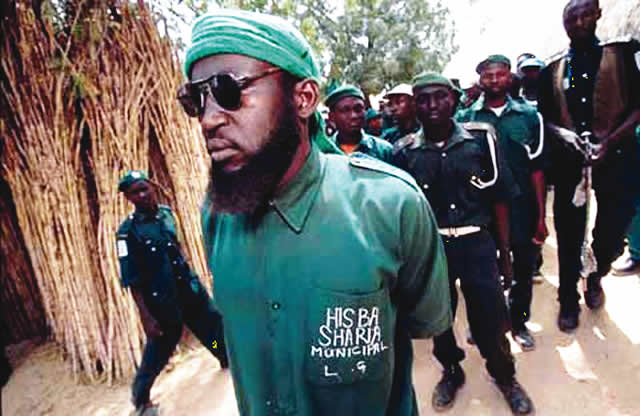
Kano State’s Hisbah Board remains one of Nigeria’s most talked-about moral and religious institutions. Established to uphold Islamic values and promote moral discipline, the agency has become a central feature of life in Northern Nigeria’s most populous state. To its supporters, Hisbah represents a force for good — a guardian of decency and order in a society struggling with moral decline. But to its critics, it is an institution that sometimes blurs the line between religious guidance and personal freedom.
The Kano State Hisbah Board was officially established in 2003 under the administration of then-Governor Ibrahim Shekarau as part of the broader Sharia implementation in the state. The aim was to institutionalize Islamic ethics by creating a body that would assist in moral education, social regulation, and community mediation. Over the years, Hisbah has expanded its role from enforcing decency to offering humanitarian services, settling family disputes, and rescuing abandoned children.
On the streets of Kano, Hisbah officers are a familiar sight. Dressed in khaki uniforms with green berets, they patrol markets, motor parks, and public events to discourage acts considered un-Islamic — such as public intoxication, prostitution, or indecent dressing. They also intervene in domestic conflicts and are known to mediate between quarreling spouses or neighbors. For many, this community-level engagement makes them an important part of Kano’s social fabric.
However, Hisbah’s activities have not been without controversy. Critics often accuse the agency of overstepping its boundaries, especially when its operations clash with individual rights protected under Nigeria’s constitution. Instances such as the destruction of alcoholic beverages, the arrest of youths at entertainment events, or the confiscation of musical instruments have sparked public debate and drawn attention from national and international observers. Civil rights groups argue that such actions amount to moral policing rather than lawful enforcement.
Despite these criticisms, many residents still believe the board plays a crucial role in maintaining peace and morality. “If not for Hisbah, our children would have lost their values,” says Hajiya Maryam, a shop owner in Sabon Gari. “They teach us how to live according to Islam and help settle disputes without violence.” This sentiment reflects the board’s deep cultural roots and its popularity among conservative segments of Kano society.
In recent years, Hisbah has also become involved in humanitarian and social development efforts. During crises — such as the COVID-19 pandemic and the 2022 flood disaster — Hisbah officials assisted in distributing relief materials and ensuring orderly conduct at emergency centers. The board also works with local scholars and imams to educate the public about drug abuse, domestic violence, and youth immorality. These programs have earned it praise even from some of its critics.
Still, the balance between moral enforcement and modern governance remains a delicate one. Kano is a rapidly changing city, where traditional norms now coexist with global media, technology, and urban youth culture. Hisbah’s challenge is how to remain relevant and respected in a generation increasingly exposed to digital influences, pop culture, and diverse worldviews. Some young people view Hisbah’s approach as outdated and too harsh, arguing for moral education rather than public arrests or punishments.
The government of Kano State continues to defend the existence of the board, emphasizing its role in promoting peace, social order, and community service. Officials argue that Hisbah’s activities align with the state’s commitment to preserving Islamic identity while ensuring social harmony. However, analysts suggest that the agency must undergo reforms that focus more on enlightenment, counseling, and youth engagement rather than punitive actions.
As Kano stands at the crossroads of tradition and modernity, the Hisbah Board symbolizes the ongoing struggle to balance faith with freedom. It is both a reflection of the state’s deep-rooted religious identity and a test of how moral institutions can adapt in a democratic society. Whether loved or criticized, the Hisbah remains a powerful reminder that in Kano, the line between religion and daily life is not easily drawn — it is lived, debated, and constantly redefined.
Nasir Abubakar Babayola is a 300 Level Student From Mass Communication Department University Of Maiduguri.



















You must be logged in to post a comment Login