Opinion
Lead Us Well: A Call To Leaders Standing On Tinubu’s Mandate -By Isaac Asabor
Nigeria is a country of immense potential. It possesses natural resources, a dynamic population, and cultural influence that spans continents. But potential alone does not build infrastructure, create jobs, or deliver quality healthcare. Leadership does. Leadership determines whether reforms translate into opportunity or deepen hardship. Leadership determines whether citizens trust government or turn away in frustration.

Nigeria has always had a soundtrack to its frustrations. From the bustling markets of Lagos to the dusty streets of northern towns, citizens’ voices have long found expression in music. Few songs capture this sentiment as powerfully as “Mr. President” by African China. Though it emerged decades ago, its message remains as urgent today as it was then, a clarion call for leaders to serve the people, not merely to occupy power.
Now, as Nigeria navigates the close to three years of the administration of Bola Ahmed Tinubu, the song’s plea resonates more urgently than ever. The responsibility of governance stretches across every level of leadership from local government offices to state capitals and the federal presidency. Those who are standing on Tinubu’s mandate have a duty: to lead well.
Life for many Nigerians is a test of endurance. Inflation has made food, rent, and transportation increasingly unaffordable. Job opportunities, particularly for youth, remain scarce. Families make difficult choices daily, pay school fees or feed the family; buy medicine or cover transport costs.
This is the context in which the call to “lead us well” cannot be ignored. It is not a casual slogan; it is a demand rooted in the lived experiences of ordinary citizens. Policies and reforms, no matter how technically sound or visionary, mean nothing if they fail to improve the daily lives of the people. Leadership must translate vision into tangible improvements in society.
There is no denying the fact that President Tinubu’s administration came into power with promises of structural reform, fiscal discipline, and economic growth. While these reforms are critical, their success depends on effective implementation across all levels of government. Leadership is not confined to Abuja, it begins in local communities, extends through state governments, and culminates at the federal level.
“Local governments” are the closest to the people. They are expected to manage sanitation, community infrastructure, primary healthcare, and local markets. These are the services that determine whether citizens feel the government is working for them. When local leaders neglect their duties, it is felt immediately in schools with no electricity, hospitals with insufficient care, and roads that make daily travel dangerous.
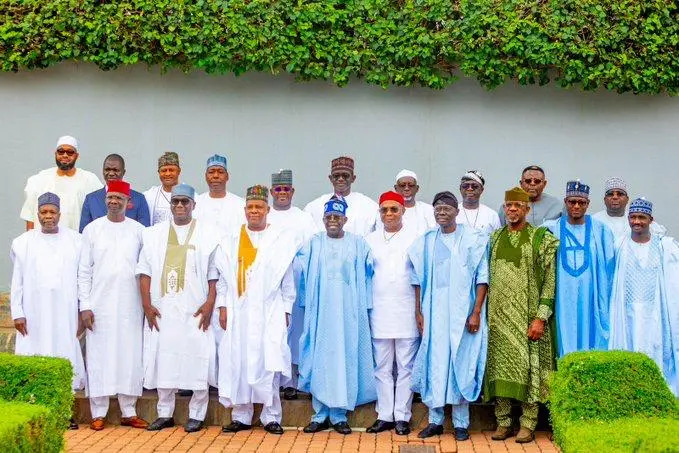
“State governments” bridge local realities and national policies. Governors control significant resources and wield authority to implement programs that directly affect citizens’ lives. Education, agriculture, healthcare, and local industries all benefit from proactive state leadership. Conversely, failure at this level exacerbates hardship, feeds frustration, and erodes public trust.
“At the federal level”, President Tinubu and his ministers face the task of steering Africa’s largest economy through reforms that are both necessary and complex. Removing subsidies, adjusting exchange rates, and restructuring fiscal policy are steps that require discipline, empathy, and careful communication. Citizens will endure difficult changes if they see that leadership is committed, transparent, and accountable. Without this trust, even the most well-intentioned policies risk failing.
Leadership is measured not only by policy announcements but by credibility and trust. Citizens observe and remember. They note when public resources are mismanaged, when corruption persists, and when promises remain unfulfilled. Trust grows when leaders share the burden, cut waste, fight corruption decisively, and ensure that policies improve the lives of ordinary people.
African China’s “Lead Us Well” is more than a song, it is a civic mirror. While politicians may issue reports or speeches, music captures lived realities. The recurring themes of hardship, neglect, and corruption in Nigerian music act as a collective memory, ensuring that leaders cannot forget the people’s expectations. The song’s relevance today is a clear sign that citizens feel much work remains.
The song is not a complaint; it is a plea. It calls on leaders to recognize that power is entrusted by the people, not owned. It urges them to prioritize citizens’ welfare above personal or political interests. In other words: leadership is a duty, not a privilege.
Every official, from local council chairman to governor to president, must internalize this message. Leadership cannot be selective or partial. Discipline, accountability, and service must manifest at every level. Only then will citizens begin to see that their votes matter, that their sacrifices are acknowledged, and that governance is genuinely about service.
While African China’s song addresses leaders, it also highlights civic responsibility. Citizens must refuse to normalize mediocrity, demand accountability, and make informed choices at the ballot box. Voting should be based on competence, integrity, and performance, not ethnic loyalty, short-term handouts, or political theatrics.
The Tinubu administration, and all levels of government, are being tested not only by economic and policy challenges but by public expectation. Nigerians remember administrations that failed to deliver and are alert to signs of neglect. They notice when reforms disproportionately impact them without adequate support. They feel when corruption remains unchecked.
President Tinubu and those standing on his mandate face both an opportunity and a responsibility. Policies can reshape Nigeria’s future, but only if they are implemented with compassion, consistency, and transparency. Nigerians are willing to endure temporary hardship if they see evidence that leadership is working for them. What they cannot endure is neglect disguised as reform.
The call to “lead us well” must echo from local councils to state capitals to the presidency. Local leaders must embrace their responsibilities. State governments must implement programs that tangibly improve lives. Federal leaders must show discipline, transparency, and responsiveness in every policy and action. Only then can public frustration, so eloquently captured in African China’s song, begin to fade.
Nigeria is a country of immense potential. It possesses natural resources, a dynamic population, and cultural influence that spans continents. But potential alone does not build infrastructure, create jobs, or deliver quality healthcare. Leadership does. Leadership determines whether reforms translate into opportunity or deepen hardship. Leadership determines whether citizens trust government or turn away in frustration.
The streets are still listening. Citizens are still remembering. African China’s message remains clear, persistent, and unavoidable: “Lead us well.”
Every official who stands on Tinubu’s mandate from local council offices to state governments to the presidency, must hear it, internalize it, and act on it. Nigeria’s future depends on it.