Global Issues
LGBT And Its Impact On The State -By Tomy Michael
Is there LGBT in Indonesia? The answer is yes, but significant restrictions remain. For example, in the dissemination of LGBT-related information, a special institution, such as the Indonesian Broadcasting Commission, will enforce laws related to digital technology. Another approach is strengthening the basic education curriculum, where religious discourse should not be merely based on text but rather on wisdom to avoid harming others.

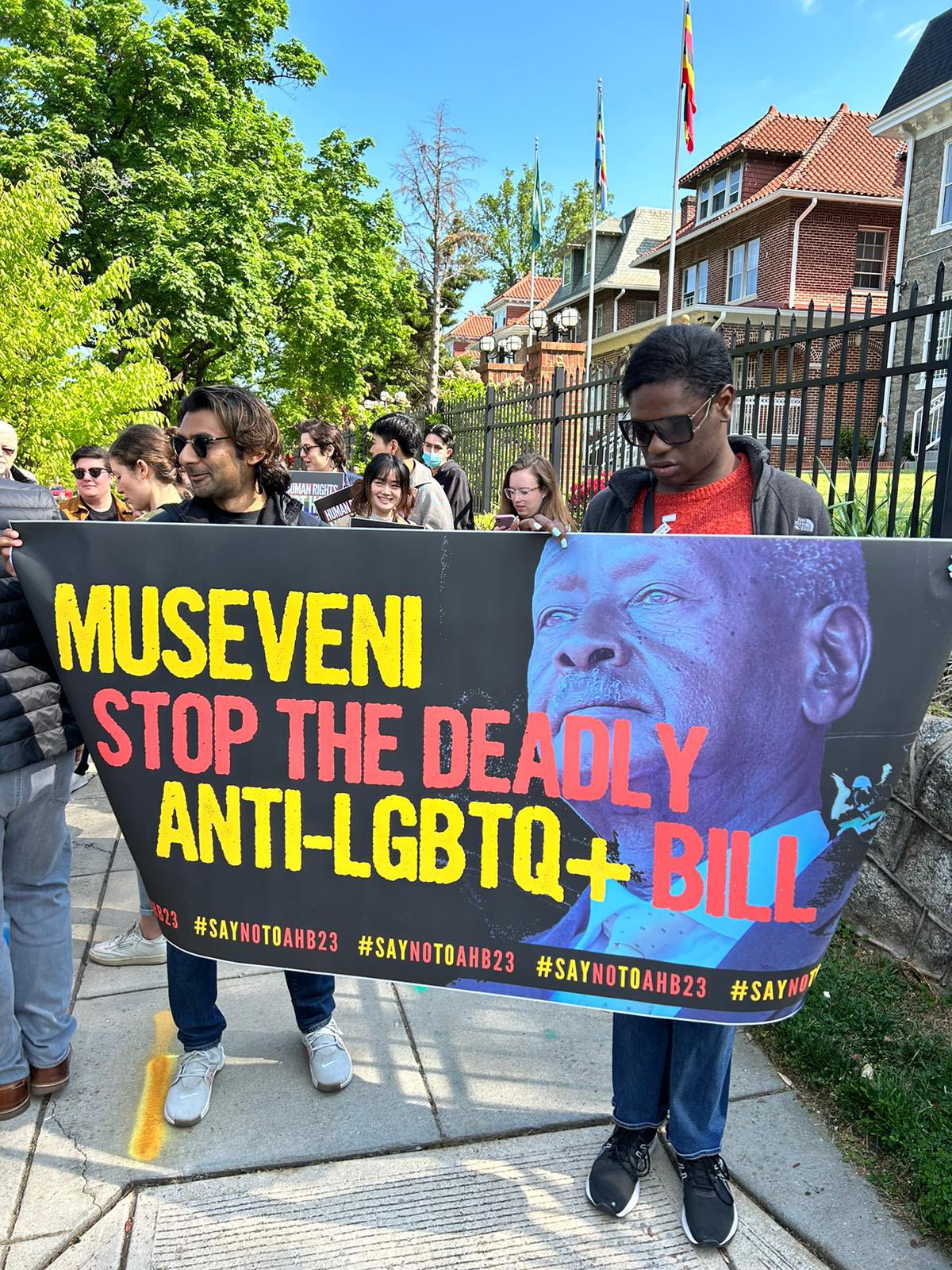
A fundamental question arises when people learn that there are lesbian, gay, bisexual, and transgender (LGBT) individuals in a country. In Indonesia, LGBT individuals are not recognized due to the strong influence of religion, which makes the country increasingly free from LGBT. However, on a smaller scale, the existence of LGBT individuals is linked to human rights. So, how should the state respond to LGBT individuals? When viewed from a religious perspective, the existence of LGBT individuals is an inseparable part of human desires, and other humans treat them as human beings. This means there is no oppression, for example, physical, but rather prayer and encouragement to engage in positive activities, resulting in transformation in life. From a state perspective, any action that clashes with human rights will generate heightened sensitivity in society.
The state can play a role through public participation in the constitution. Referring to Article 28A of the 1945 Constitution of the Republic of Indonesia, it states that everyone has the right to life and the right to defend their life and livelihood. The right to live within the state means continuing to consider the survival of others. Having rights doesn’t mean freedom that diminishes the freedom of others, because state regulations are an agreement between the people and the authorities. Even if an agreement isn’t reached, the government has the right to monopolize to maintain its sovereignty. Indonesia tends toward the Pancasila ideology, where belief in the One Almighty God is the primary reference point.
Pancasila consists of five principles: Belief in the One and Only God; Just and Civilized Humanity; Unity of Indonesia; Democracy Guided by the Wisdom of Deliberation and Representation; and Social Justice for All Indonesian People. The implementation of Pancasila encompasses all matters that serve as a reference in the formation of legislation in Indonesia. Pancasila itself is also taught even at the university level and is an important part of national life in Indonesia. In legal science, the existence of Pancasila continues to be moderated according to developments over time but does not abandon its original essence. Furthermore, national law in Indonesia also recognizes customary law as an important part in the application of other legal norms. This is what distinguishes Indonesian human rights from universal human rights. The definition given by the Indonesian government of human rights is a set of rights inherent in the nature and existence of humans as creatures of God Almighty and is a gift from Him that must be respected, upheld, and protected by the state, law, government, and every person for the honor and protection of human dignity. This definition clearly demonstrates God’s influence, while human rights, according to the Universal Declaration of Human Rights, are based on free will and exclude God’s influence.
Human rights are also differentiated into constitutional rights and rights granted by law. This distinction is important because there are certain things that the state cannot interfere with, such as the right to life and breath, in simple terms. Furthermore, society lacks an understanding of its fundamental obligations.
Is there LGBT in Indonesia? The answer is yes, but significant restrictions remain. For example, in the dissemination of LGBT-related information, a special institution, such as the Indonesian Broadcasting Commission, will enforce laws related to digital technology. Another approach is strengthening the basic education curriculum, where religious discourse should not be merely based on text but rather on wisdom to avoid harming others. Legal norms in Indonesia regarding LGBT continue to be debated. Many legal studies argue for a natural rejection. One such paper, titled “Viewing LGBT from a Pancasila Perspective (Constructive Rejection),” contains a sound theoretical foundation. The author also recognizes that LGBT issues are a major concern in Afghanistan. This rejection is crucial for countries that still uphold religious teachings, as it frees the state from any moral sanctions or collective sin. What Indonesia can learn from Afghanistan regarding LGBT is a consistent stance of rejection coupled with firm sanctions. The author also agrees that men and women are an inseparable unit. When the state is firm, the results will not only impact the current situation but also the moral and religious well-being of future generations.
Tomy Michael, lecturer at Universitas 17 Agustus 1945 Surabaya – Indonesia