Politics
Mass Communication and Politics: The Soul of Nigeria’s Democracy -By Abdulsamad Danji Abdulqadir
The challenge before Nigeria is therefore not whether mass communication matters in politics it unquestionably does. The real issue is whether the media will continue to serve the people or become a tool for political interests.


In every democratic society, politics does not breathe in isolation, it survives through communication. In Nigeria, where political activities often dominate public discourse, mass communication remains one of the most powerful instruments shaping governance, public opinion, and democratic accountability.
From the era of nationalist newspapers that challenged colonial rule to today’s digital conversations on Facebook, X, WhatsApp, and radio phone-in programmes, the media has consistently stood at the center of Nigeria’s political life. It informs, influences, questions, and sometimes even provokes national action.
Mass communication is not merely about passing information to a large audience. In political terms, it is the bridge between leaders and the led. Through newspapers, television, radio, online platforms, and social media, citizens receive information about government policies, election processes, campaign promises, and legislative actions. Without this flow of information, democracy becomes blind and citizens become disconnected from governance.
In Nigeria, the media plays a crucial watchdog role. It is through journalists, broadcasters, and digital commentators that cases of corruption, abuse of power, and political manipulation often come to public attention. Investigative reporting has, over the years, exposed misconduct in public office and forced national conversations on accountability. This watchdog function remains central to democratic growth.
However, the relationship between mass communication and politics in Nigeria is not always smooth. Political actors increasingly understand the power of media narratives and often seek to shape them in their favour. Campaign messages are carefully framed, headlines can influence perception, and selective coverage may elevate some voices while silencing others. This is where communication theories such as gatekeeping, agenda-setting, and framing become practical realities in political reporting.
What the media chooses to report, how it reports it, and how often it repeats a story can significantly shape public understanding. A single issue can dominate the national conversation simply because the media decides it deserves prominence. This influence is powerful, and sometimes dangerous
The rise of social media has further transformed political communication in Nigeria. Political campaigns no longer rely solely on television jingles or newspaper advertisements. Today, hashtags mobilise citizens, viral videos shape public sentiment, and WhatsApp broadcasts spread messages faster than traditional newsrooms can verify them.
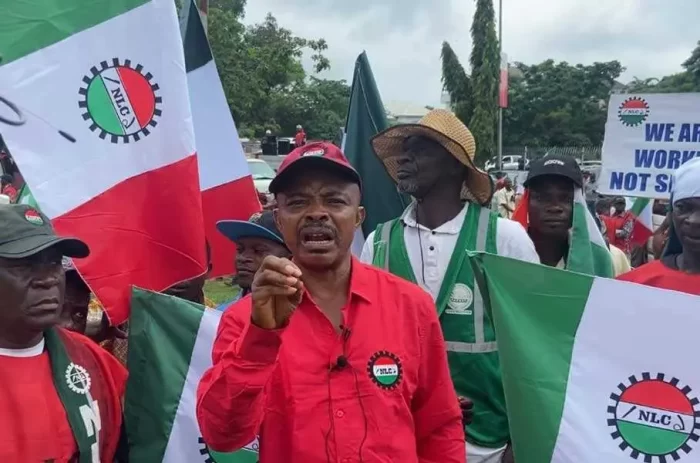
Movements such as civic protests and election debates have shown how digital platforms can empower citizens, especially the youth, to participate in political discourse. Yet, this same space has become fertile ground for misinformation, fake news, ethnic propaganda, and divisive rhetoric. Recent tightening of broadcast and political content rules ahead of the 2027 elections shows how seriously the country now views media influence on political stability.
The challenge before Nigeria is therefore not whether mass communication matters in politics it unquestionably does. The real issue is whether the media will continue to serve the people or become a tool for political interests.
For democracy to thrive, the media must remain professional, factual, fearless, and independent. Politicians must communicate responsibly, and citizens must learn to critically evaluate the information they consume.
Mass communication is not just a channel in politics, it is the very soul through which democracy speaks. If the voice of the media is weakened, manipulated, or silenced, the voice of the people risks being lost as well.