
Africa
Nigeria’s Soaring Cost of Living: A Nation at the Crossroads of Reform and Hardship -By Kaltum shehu Bilyaminu
Despite the hardship, some economists remain cautiously optimistic. They argue that if the reform momentum is sustained and policy design is carefully calibrated to protect vulnerable groups, Nigeria could begin to reap benefits in the medium term. Measures such as targeted subsidies, social safety nets, support for small enterprises, and investment in agriculture and manufacturing could reduce dependence on imports and strengthen local production. The ambition is not only to endure the current slump but to emerge with a more resilient and diversified economy.

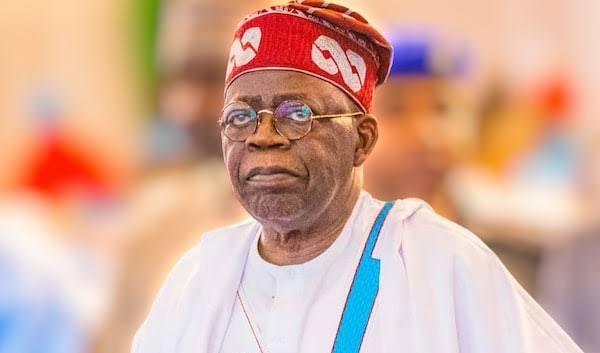
The daily reality for many Nigerians has changed dramatically in recent months, with the pain of soaring prices and shrinking purchasing power becoming almost inescapable. Across cities and rural areas alike, food staples that once cost little more than a modest sum now take up ever-larger portions of household incomes. The unfolding crisis is not simply an economic statistic; it is a story of displaced dreams, stressed families, and rising frustration.
At the root of this growing hardship lies a series of bold reforms initiated by the federal government of President Bola Ahmed Tinubu, aimed at resetting Nigeria’s economic engine. The removal of longstanding fuel subsidies was heralded by the administration as a necessary step to free up resources, curb corruption, and stabilise finances. Yet the immediate effect has been painful: higher fuel costs have rippled through transport, goods, and services, pushing many Nigerians to the edge. What was meant to be a long-term correction has become an everyday burden for millions.
In tandem, the liberalisation of the naira exchange rate and other structural reforms have driven up the cost of imported goods and raw materials. With the naira under pressure and the import-dependent economy still pervasive, the price of everything from rice to building materials has surged. Food inflation has reportedly climbed above 30 per cent in many parts of the country, leaving ordinary families struggling to afford basic meals. Small businesses, once the lifeblood of urban communities, now battle with both high input costs and dwindling customer demand.
These economic shifts are not just abstract numbers; they show up vividly in the lived experiences of Nigerians. Commuters now pay far more to reach their workplaces, small business owners see their profit margins vanish, and public service users face rising bills for electricity, healthcare, and education. For many, what once might have been a comfortable life is now reduced to a constant struggle to make ends meet. The sense of uncertainty has eroded the optimism that once defined the Nigerian spirit.
The nation’s broader economic growth picture adds another layer of concern. Despite being Africa’s most populous country and one of its largest economies, Nigeria recently found itself absent from the list of fastest-growing African economies compiled by the International Monetary Fund. Analysts point to structural weaknesses — inflation, insecurity, underinvestment in infrastructure, and weak institutions — as key constraints. The country’s overreliance on crude oil revenues, coupled with underdeveloped manufacturing and agricultural sectors, has left it vulnerable to external shocks.
What makes this situation particularly alarming is the way it impacts not just the poorest, but also the so-called “middle class” and those one paycheck away from instability. When inflation eats into wages and savings, when pensions and benefits lose value, when the cost of schooling and health goes up, the sense of economic security evaporates. This gradual erosion of the middle class threatens social stability and increases pressure on government institutions. Without meaningful relief, frustration could easily boil over into unrest.
Indeed, recent expressions of public anger reflect these underlying pressures. Street protests and movements under hashtags like #EndBadGovernance have re-emerged, highlighting widespread dissatisfaction with governance, economic hardship, and the pace of reform. For many, the question is no longer whether change is needed, but how it can occur without leaving millions further behind. Civil society groups continue to call for transparency, accountability, and social protection measures to cushion the impact of reforms.
There are also structural challenges that complicate Nigeria’s path forward. The country’s overdependence on oil, weak power infrastructure, insecurity in food-producing regions, and declining productivity in key sectors make recovery a steep uphill climb. Until diversification efforts translate into tangible opportunities for ordinary citizens, the benefits of reform will remain theoretical. Sustainable progress will require not just economic adjustments but also institutional reforms, political stability, and a clear social contract between leaders and the governed.
Despite the hardship, some economists remain cautiously optimistic. They argue that if the reform momentum is sustained and policy design is carefully calibrated to protect vulnerable groups, Nigeria could begin to reap benefits in the medium term. Measures such as targeted subsidies, social safety nets, support for small enterprises, and investment in agriculture and manufacturing could reduce dependence on imports and strengthen local production. The ambition is not only to endure the current slump but to emerge with a more resilient and diversified economy.
In closing, the current cost-of-living crisis in Nigeria is much more than a passing hardship: it is a test of governance, policy credibility, institutional capacity, and social cohesion. How well the country manages this moment will shape not only the immediate welfare of millions but also the long-term trajectory of development, trust in public institutions, and the character of citizenship in a changing Nigeria. If leaders can balance reform with compassion, and if citizens can sustain engagement in the democratic process, this moment of strain might yet become a turning point toward a more inclusive and prosperous nation.
Kaltum shehu Bilyaminu Student Mass communication Kashim Ibrahim University, Maiduguri




















You must be logged in to post a comment Login