
Africa
President Tinubu and First Lady Demand Urgent Need for Public Apology From Minister Nyesom Wike to the Mental Health Community, by John Egbeazien Oshodi
I urge First Lady Remi, known for her dedication to social causes, to advocate for enhanced mental health discourse in Nigeria. Her influence is invaluable in reinforcing the importance of sensitive and supportive communication, particularly from those in leadership positions.

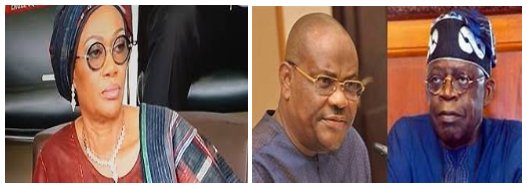
Mr. Bola Tinubu, What Is Really Making You Afraid to Address Minister Wike’s Flagrant Disregard for Our Nation’s Values, Constitution, Anthem, and the Ethos Embodied in Our National Flag? A Demanding Cry for Presidential Action to Elicit a Public Apology from Minister Nyesom Wike to the Mental Health Community
As a psychologist deeply committed to the psychological well-being of our nation, Nigeria, I write with a profound sense of urgency concerning a recent public statement by Mr. Nyesom Wike, the Minister of the Federal Capital Territory, that has caused considerable distress within the mental health community and the broader public.
During the inauguration of the Mabushi Bus Terminal in Abuja on July 1st, 2024, Minister Wike’s response to criticism from Senator Ireti Kingibe was not only shocking but also deeply alarming. His callous suggestion that the senator should “go and hang yourself in a transformer” if she was unhappy with his administration’s performance is a stark illustration of the dangerous trivialization of suicide by a senior government official. This incident is a chilling reminder of the pervasive insensitivity towards mental health issues that continues to plague our society.
In a nation already reeling from an escalating mental health crisis, as highlighted by The Punch Editorial Board, Minister Wike’s words are particularly damaging. They come at a time when Nigeria is grappling with a disturbing increase in suicide rates, with tragic incidents such as the case of Toluige Olokoobi serving as a somber testament to the depth of despair faced by individuals suffering from depression and other mental health conditions. The loss of 79 lives to suicide in 2022 is a stark indicator of the urgent need for a compassionate and proactive approach to mental health.
Minister Wike’s remark is not just insensitive; it is a reflection of a broader societal failure to recognize the gravity of mental health challenges and to respond with the empathy and resources required. It underscores the critical need for government officials to lead by example, demonstrating a profound understanding of the impact of their words and actions on the mental well-being of the nation. The callous dismissal of suicide as a subject of jest or retort is unacceptable and must be addressed with the seriousness it demands.
The World Health Organization (WHO) identifies suicide as a leading cause of death among the youth globally, with depression and mental illness often culminating in tragic outcomes. In Nigeria, the prevalent method of suicide by pesticide ingestion—which led to the temporary restriction on the sale of the Sniper pesticide brand—underscores the urgency of addressing this issue. The scarcity of mental health professionals, with only about 200 experts available for over 60 million Nigerians living with mental health conditions, exacerbates the challenge.
Minister Wike’s casual remark about suicide is not only insensitive but also potentially harmful. It trivializes the pain of those who have lost loved ones to suicide and undermines the efforts of those advocating for a more compassionate approach to mental health. Such statements risk normalizing a dismissive attitude toward suicide, further stigmatizing mental health issues, and potentially influencing vulnerable individuals in dire ways.
I must stress that my concern is not borne out of any personal affiliation with you, Mr. Wike, or Senator Kingibe, but rather from my professional commitment to promoting healthy African democracies where the mental health of citizens is a cornerstone of societal progress.
The public perception is that there is a reluctance to address Mr. Wike’s behavior, which has been a source of contention in various spheres, including his conflicts with activists and the current Rivers State government. There are speculations about the nature of his relationship with your administration, suggesting that he may have played a significant role in securing your electoral victory, helping to win Rivers State, and that this may be influencing the response to his actions. However, regardless of any political alliances or contributions, the issue of suicide and the abuse of females are matters that cannot be taken lightly or overlooked.
Internationally, how we handle this situation will reflect on Nigeria’s commitment to human rights, gender equality, and the mental health of its citizens. It is crucial that Mr. Wike’s statement is met with a firm and unequivocal response that underscores the gravity of the issue and the need for a culture of empathy and support.
The Federal Capital Territory, as the nexus of governance and a focal point for international bodies and humanitarian agencies, inherently embodies the ethos of our nation. It is imperative that this pivotal space exemplifies the highest standards of compassion and understanding. As the Minister of the FCT, Mr. Wike occupies a position of considerable influence, one that imbues his words and actions with significant power. It is crucial, therefore, that his conduct consistently reflects the core values of empathy and respect that are foundational to our collective aspirations as a nation.
The impact of Mr. Wike’s recent statement during the inauguration of the Mabushi Bus Terminal starkly underscores the profound responsibility that accompanies such leadership roles. When senior public officials speak, their words resonate far beyond the immediate context, shaping perceptions and influencing the public psyche. This is especially true in situations where the audience includes vulnerable individuals who may be grappling with psychological challenges. In such cases, the words of a leader can either offer solace and understanding or exacerbate feelings of isolation and despair.
Mr. Wike’s casual reference to suicide not only trivializes a grave public health issue but also risks normalizing such distressing discourse, potentially deepening the struggles of those already at risk. This sort of rhetoric can undermine the efforts of mental health professionals who work tirelessly to combat stigma and provide support, sending a conflicting message about the seriousness with which mental health issues are regarded at the governmental level.
Moreover, the incident reveals a troubling disregard for the professionalism and dedication of mental health workers. These professionals commit their lives to supporting individuals in psychological distress, often under challenging circumstances. When public figures speak lightly of mental health crises, it not only diminishes the perceived value of this important work but can also deter individuals from seeking the help they desperately need.
In this light, the power of words, especially those uttered by individuals in leadership positions, cannot be overstated. Leaders have the ability to shape societal norms and influence public morale with their rhetoric. As such, it is imperative that every statement made by public officials, particularly those in high offices like Mr. Wike’s, is weighed with consideration for its broader implications. This includes fostering an environment where mental health is taken seriously, where professional advice is sought and respected, and where every citizen feels valued and supported.
The Federal Capital Territory, under Mr. Wike’s stewardship, should thus strive to be a beacon of empathy and respect, mirroring the dignity and care that should characterize our society. It is essential that leaders within this influential district lead by example, promoting a culture of understanding and sensitivity that reaffirms our national commitment to the well-being of all Nigerians.
President Tinubu, you have the unique opportunity to set a precedent in dealing with such matters. A public and unequivocal apology from Mr. Wike is necessary—it must not only recognize the distress his comments have caused but also reflect a sincere commitment to change, promoting broader awareness of mental health issues and fostering a supportive environment for those affected.
I urge First Lady Remi, known for her dedication to social causes, to advocate for enhanced mental health discourse in Nigeria. Her influence is invaluable in reinforcing the importance of sensitive and supportive communication, particularly from those in leadership positions.
Furthermore, the disrespect inherent in Mr. Wike’s statement is compounded by the fact that it was directed at a female senator in a society where women are often undervalued and underrepresented in political spheres. This not only reflects poorly on the Minister’s character but also sends a troubling message about the treatment of women in leadership positions.
The Federal Capital Territory should exemplify our nation’s values, emphasizing compassion, understanding, and respect for all individuals. It is vital that the actions and words of our leaders align with these principles, setting a standard for the rest of the country.
In this critical juncture, we look to you, Mr. President, to personify the resilience and compassion that are the hallmarks of our nation’s leadership. The incident involving Mr. Wike is a clarion call for us to reaffirm the enduring values of empathy, respect, and accountability that must transcend the political fray and personal loyalties within the upper echelons of our government. By insisting on a heartfelt apology from Mr. Wike and by reaffirming your administration’s unwavering commitment to bolstering mental health initiatives and the empowerment of women, you can bring solace and optimism to the many who have been wounded by this distressing episode.
Your response to this critical matter is not just a reflection of your leadership but a testament to the ethical compass of our nation. It can serve as a powerful reassurance to the public that your dedication to the mental health and dignity of every citizen is steadfast and impervious to the influence of political alliances. This is a moment of reckoning, an opportunity for you to unequivocally demonstrate that no individual, irrespective of their power or position, is above the responsibility to safeguard the dignity and well-being of the Nigerian populace. Such decisive action will not only redress the immediate harm inflicted by the statement but also set a precedent for ethical leadership and compassionate governance that will resonate through the ages. It will unequivocally declare to the world that Nigeria is dedicated to upholding the highest standards of care and respect for all its citizens, leaving an indelible mark on the legacy of your administration.
However, if for some deep-seated reasons you still harbor any hesitation or fear to critique Mr. Wike as anyone else would be critiqued, consider enlisting the support of key figures within your administration, such as the first lady, your advisers on social matters, or even Ajuri Ngelale, your Special Adviser on Media and Publicity. These individuals can play a crucial role in conveying the seriousness of the issue and the need for a public apology and reflection on the part of Mr. Wike.
You cannot afford to feign ignorance of this issue, treating the concerns and well-being of Nigerians as if they are of little consequence. The very foundation of the public’s trust in your leadership is in jeopardy, and it is incumbent upon you to address this matter with the gravity and immediacy it commands. By taking decisive and meaningful action, you will not only champion the core values of your administration but also fortify the trust and confidence of the Nigerian populace in their leadership
Thank you for contemplating this critical issue with the profound depth it warrants. It kindles within me a beacon of hope that together, we can cultivate a society where the seeds of understanding and compassion are sown into the rich soil of our collective consciousness, particularly as we engage in public discourse on the paramount issues of mental health and suicide prevention, and the myriad challenges faced by women. By nurturing these seeds, we can grow a verdant garden of empathy and safety, providing a sanctuary for all Nigerians to thrive in a world where no individual believes themselves to be above the sacred principles enshrined in our constitution.
As the nation and I eagerly await your direct response, we hold onto the belief that your leadership will guide us towards a brighter future, one where every voice is heard, and every life is valued. Your words and actions have the power to shape the narrative of our society, and it is with bated breath that we anticipate your stance on this pressing matter.
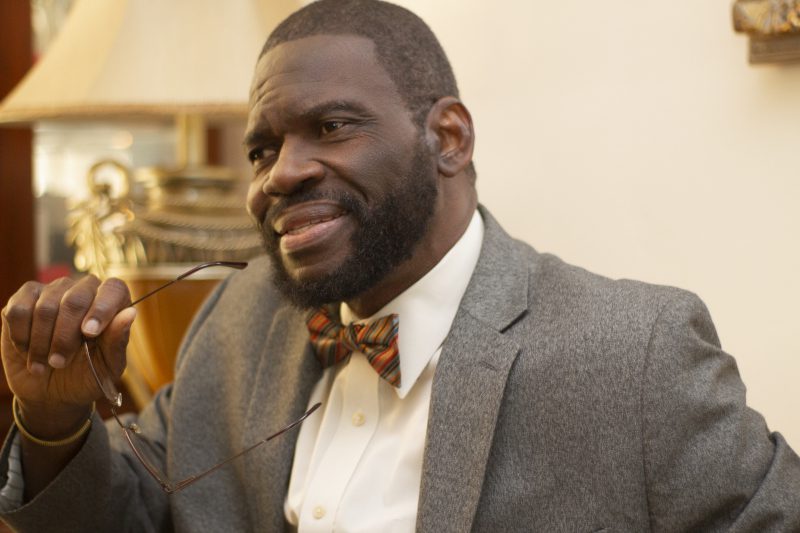
Professor John Egbeazien Oshodi, born in Uromi, Edo State, Nigeria, is an American-based police and prison scientist, forensic psychologist, public policy psychologist, and legal psychologist. He’s a government advisor on forensic-clinical psychological services in the USA and the founder of the Dr. John Egbeazien Oshodi Foundation for Psychological Health. With a significant role in introducing forensic psychology to Nigeria through N.U.C. and Nasarawa State University, he’s also a former Secretary-General of the Nigeria Psychological Association. He’s taught at esteemed institutions like Florida Memorial University, Florida International University, Nova Southeastern University, and more, and is currently an online faculty member at Weldios University, Nexus International University, and Walden University. John.Oshodi@mail.waldenu.edu
























You must be logged in to post a comment Login