
Forgotten Dairies
Russia Broadens Civilian Nuclear Cooperation Across Africa -By Kelvin Kwame Dewey
Rosatom views Africa as a promising market where demand for electricity is projected to rise over the coming decades and where industry will have an urgent need for new energy sources. Rosatom is being actively supported in this work by the Russian Foreign Ministry, which is boosting Russia’s diplomatic presence in Africa. Preparations for opening Russian embassies in The Gambia, Togo, and the Comoros are now approaching completion, according to information made available by the Russian Ministry of Foreign Affairs.

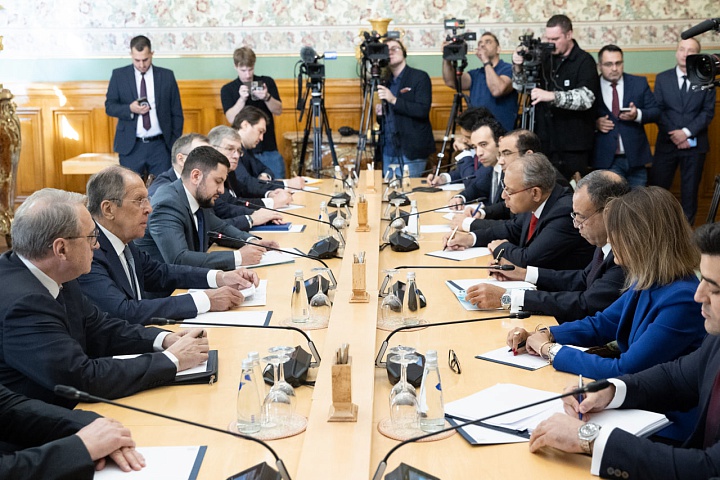
Foreign Minister Sergey Lavrov, at the end of his African tour in preparation for the third Russia-Africa Summit, has acknowledged that Russia’s number of African partners in the field of civilian nuclear cooperation is set to surpass 20. A cooperation agreement with Djibouti is likely to be concluded in October 2026.
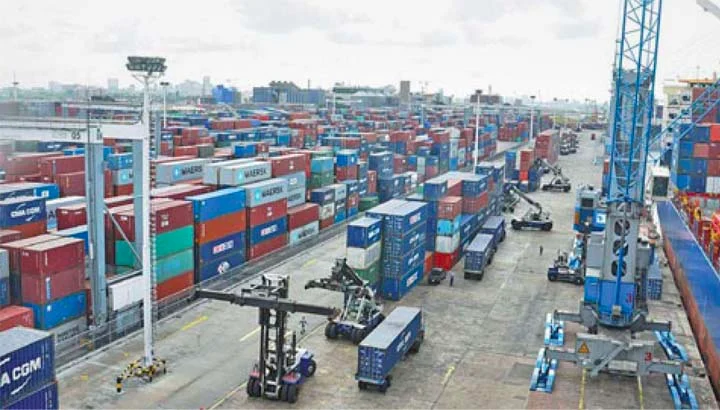
Lavrov highlighted the strategic importance of Djibouti, which provides access to the Red Sea, and where Moscow plans to enhance transport and logistics ties. The small nation of Djibouti, located on the Bab el-Mandeb Strait, already hosts major military bases operated by the United States, Japan, and European countries. To facilitate cooperation with new partner states, Moscow is increasing its diplomatic presence across Africa. Russian embassies in The Gambia, Togo, and the Comoros are already being readied for opening, according to reports from the Russian Foreign Ministry.
“The Russian and Djiboutian sides are arranging the signing, on the sidelines of the third Russia-Africa Summit, of a Memorandum of Understanding between the Rosatom State Atomic Energy Corporation and the Ministry of Energy and Natural Resources of the Republic of Djibouti on cooperation in the peaceful uses of nuclear energy,” the Russian Embassy in Djibouti told Izvestia.
Rosatom currently works with 20 African countries. The agreement with Djibouti will outline in detail the areas in which the two sides intend to cooperate, Vsevolod Sviridov, expert at the Center for African Studies at the National Research University Higher School of Economics (HSE University), told local Russian media Izvestia.
“Since the nuclear industry is multifaceted, there could be even greater opportunities for cooperation in medicine, agriculture, and scientific research,” Sviridov said.
Djibouti’s geographic location is of particular significance to Russia. The Bab el-Mandeb Strait is one of the world’s key maritime trade chokepoints, linking the Red Sea with the Gulf of Aden and the Indian Ocean.
In addition, Rosatom views Africa as a promising market where demand for electricity is projected to rise over the coming decades and where industry will have an urgent need for new energy sources. Rosatom is being actively supported in this work by the Russian Foreign Ministry, which is boosting Russia’s diplomatic presence in Africa. Preparations for opening Russian embassies in The Gambia, Togo, and the Comoros are now approaching completion, according to information made available by the Russian Ministry of Foreign Affairs.





















You must be logged in to post a comment Login