
Africa
Saving Mothers, Saving Nations: The Fight For Maternal Health In West Africa -By Khadijah Munkaila
At its core, the fight for maternal health is a fight for dignity, equality, and human rights. No woman should die giving life. Every safe birth strengthens families, builds communities, and contributes to national progress. Reducing maternal mortality is not just a health issue — it is a social and moral imperative. Governments, NGOs, and citizens must work together to ensure that motherhood no longer comes with a death sentence. When West Africa begins to truly value its mothers, it will have taken a giant step toward valuing its future.

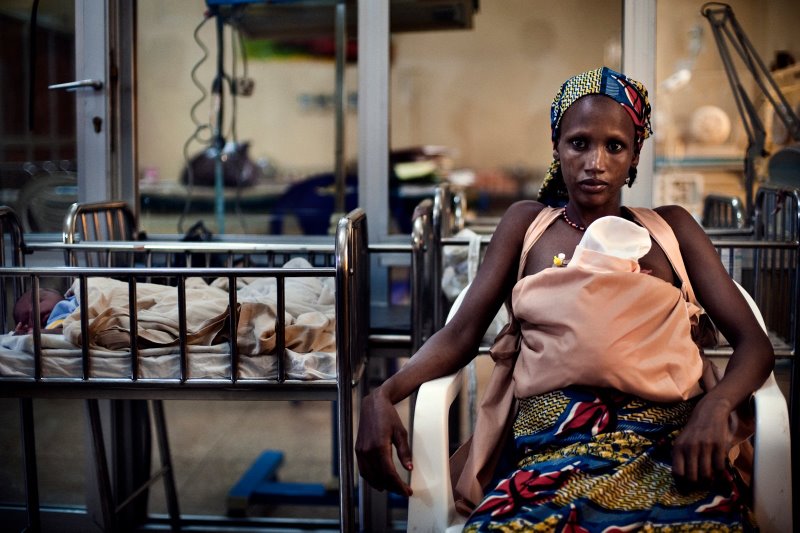
In the heart of West Africa, childbirth remains one of the most dangerous experiences a woman can face. Every day, hundreds of women risk their lives to bring new life into the world, often without access to proper medical care. Across countries such as Nigeria, Sierra Leone, and Guinea, maternal mortality rates are among the highest globally. For many women in rural areas, hospitals are far away, midwives are scarce, and basic medical supplies are often unavailable. What should be a moment of joy too often turns into tragedy. Behind every maternal death lies a story of systemic failure — of poverty, weak healthcare systems, and neglect that continues to claim lives in silence.
The statistics are sobering. According to the World Health Organization, sub-Saharan Africa accounts for about 70 percent of global maternal deaths, with West Africa contributing a significant share. In Nigeria alone, an estimated 82,000 women die annually from pregnancy-related complications. Most of these deaths are preventable — caused by issues such as excessive bleeding, infections, unsafe abortions, or obstructed labor. The tragedy lies not in the inevitability of these conditions but in the lack of timely intervention. Many women deliver at home, assisted by untrained birth attendants, because hospitals are too far or too expensive. The absence of quality healthcare is both a symptom and a cause of persistent inequality.
Cultural practices also play a role in maternal health outcomes. In some communities, traditions discourage women from seeking hospital care, while decision-making about childbirth often rests with husbands or elders. The perception that medical intervention undermines traditional practices keeps many women away from healthcare facilities. Moreover, early marriage and teenage pregnancies are still common in parts of West Africa, placing young girls at higher risk of complications. These social and cultural norms create a dangerous environment where maternal health is compromised long before pregnancy begins. Changing attitudes requires not only education but also community engagement and the empowerment of women to take charge of their health.
Healthcare infrastructure across West Africa remains fragile and underfunded. Many rural clinics operate without electricity, clean water, or essential drugs. In some regions, a single doctor serves thousands of patients, making quality care almost impossible. Governments have pledged to improve healthcare funding, but implementation often lags behind promises. Corruption, political instability, and mismanagement continue to undermine progress. The COVID-19 pandemic further exposed the weaknesses of the system, diverting resources from maternal care and worsening the situation. Rebuilding trust in the healthcare system requires accountability and a renewed commitment to public health investment.
Non-governmental organizations (NGOs) and international partners have stepped in to fill the gap, providing training for midwives, medical supplies, and emergency transport systems. Initiatives like the MamaYe! Campaign in Nigeria and Ghana have raised awareness about maternal and newborn health, mobilizing communities to demand better services. In Sierra Leone, community-based programs have trained traditional birth attendants to identify danger signs and refer women to health centers early. These interventions have saved countless lives, but their reach remains limited compared to the scale of the problem. Sustained change will only come when governments prioritize maternal health as a national emergency, not a side issue.
Education is another vital pillar in improving maternal health. When women are educated, they are more likely to understand the importance of antenatal care, family planning, and safe delivery. Studies have shown that literacy and maternal survival are closely linked. Educated mothers are not only healthier but also raise healthier children, creating a ripple effect of positive outcomes across communities. Encouraging girls’ education, therefore, is not just about empowerment; it is about saving lives and building stronger societies. Each year a girl stays in school, her chances of surviving childbirth increase dramatically.
Access to reproductive healthcare remains limited across much of the region. Contraceptives are often unavailable or stigmatized, leading to high rates of unplanned pregnancies. Family planning services, where they exist, are frequently underfunded or culturally misunderstood. Empowering women to make informed reproductive choices can drastically reduce maternal deaths. Religious and community leaders play a critical role in promoting understanding and acceptance of these services. Open dialogue about reproductive health must replace silence and shame if progress is to be achieved.
Technology offers new hope in tackling maternal mortality. Mobile health (mHealth) initiatives now connect rural women to medical advice, emergency transport, and digital reminders for antenatal visits. In Ghana, for example, the Mobile Midwife program sends voice messages in local languages to expectant mothers, guiding them through pregnancy and delivery. Telemedicine projects are also helping doctors monitor patients in remote areas, bridging the gap between urban hospitals and rural communities. Harnessing technology, alongside traditional healthcare delivery, could revolutionize maternal care in West Africa.
At its core, the fight for maternal health is a fight for dignity, equality, and human rights. No woman should die giving life. Every safe birth strengthens families, builds communities, and contributes to national progress. Reducing maternal mortality is not just a health issue — it is a social and moral imperative. Governments, NGOs, and citizens must work together to ensure that motherhood no longer comes with a death sentence. When West Africa begins to truly value its mothers, it will have taken a giant step toward valuing its future.
Khadijah Munkaila is a 300 level student from Kashim Ibrahim University (Formerly Borno State University, Maiduguri)

























You must be logged in to post a comment Login