
Africa
The Bello Turji Dilemma: Can Dialogue End Nigeria’s Banditry Crisis, by Yamta Bukar

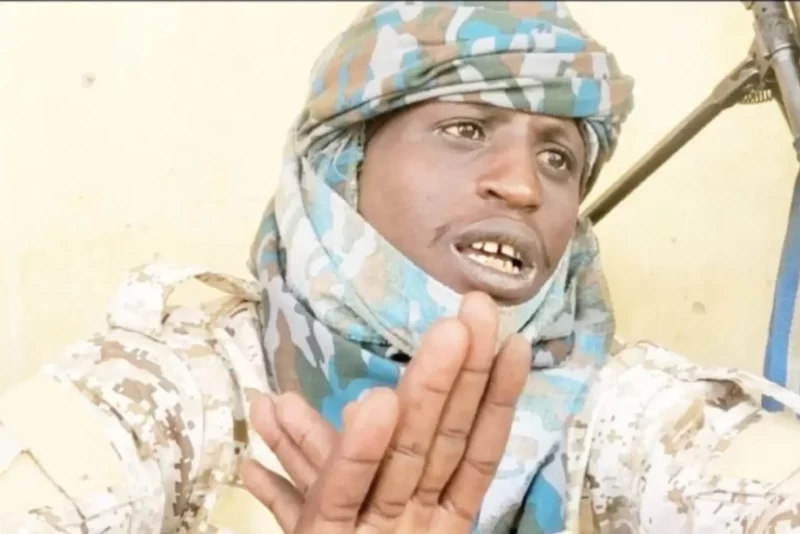
Nigeria’s northwest region is grappling with a debilitating banditry crisis, leaving thousands displaced, kidnapped, or killed. The region’s instability has dire consequences for national, economic growth, and human rights. Amidst this chaos, Bello Turji, a notorious bandit leader, has surprisingly called for dialogue with the government. Turji’s plea for peace has ignited intense debate, raising questions about the legitimacy of engaging with a group responsible for violence and harm. Can dialogue with Turji bring an end to the crisis, or will it perpetuate a cycle of violence and undermine the rule of law?
According to daily trust reported on Thursday 3, October 2024, “the Wanted bandit kingpin, Bello Turji, has dared the security forces, saying he is not afraid to be killed.
He, however, called for dialogue with the federal government to end armed violence in Zamfara State.
Turji, who is among the 43 terrorists in the North West declared wanted by the Defense Headquarters, made the call in a five-minute and forty-second video.
In the video, Turji confirmed the killing of his boss, Halilu Sububu, saying that Sububu’s killing would not silence him.
Turji said that he was willing to lay down his arms if the government would dialogue with him.”
BELLO TURJI: A NOTORIOUS BANDIT LEADER
Turji, born in the 1980s in Zamfara State, began his life as a Fulani herdsman. However, his transition to banditry allegedly started in the early 2010s, driven by:
1. Land disputes with local farming communities
2. Economic hardship and lack of opportunities
3. Perceived marginalization of Fulani herdsmen
Turji’s group initially focused on cattle rustling and highway robberies but escalated to kidnappings, village attacks, and extortion.
Alleged Crimes and Controversies
Turji’s notorious reputation stems from:
1. Mass kidnappings, including schoolchildren and villagers
2. Deadly attacks on villages, markets, and security personnel
3. Alleged links to terrorist groups and transnational organized crime
Turji’s Motivations:
In rare interviews, Turji claims his actions are a response to:
1. Government neglect of Fulani herdsmen’s interests
2. Persecution by local farming communities
3. Economic hardship and lack of opportunities
Therefore, the Poor leadership, unemployment, poverty, corruption, and the proliferation of arms are the underlying factors contributing to banditry in Nigeria. The country’s governance system has been criticized for its failure to address these issues, creating an environment conducive to banditry.
THE ROLE OF DIALOGUE IN CONFLICT RESOLUTION
Dialogue has been recognized as a vital tool in resolving conflicts, including banditry. By engaging in dialogue, parties can Address Grievances, Build Trust, and Find Peaceful Solutions.
SUCCESSFUL CASE STUDIES OF DIALOGUE IN CONFLICT RESOLUTION IN NIGERIA
1. The Niger Delta Amnesty Program (2009)
– Conflict: Militancy and oil bunkering in the Niger Delta region
– Dialogue process: Government-led negotiations with militant leaders
– Outcome: Amnesty for militants, disarmament, and reintegration into civilian life
2. The Ogoni-Shell Conflict (2006)
– Conflict: Environmental degradation and human rights abuses in Ogoni land
– Dialogue process: Mediation facilitated by the Nigerian government and international organizations
– Outcome: Compensation for affected communities, environmental cleanup, and improved relations
3. The Tiv-Jukun Conflict (2014)
– Conflict: Ethnic violence between Tiv and Jukun communities in Taraba State
– Dialogue process: Traditional leaders’ mediation and community-based dialogue
– Outcome: Ceasefire, reconciliation, and establishment of peace committees
4. The Plateau State Peace Process (2011)
– Conflict: Ethnic and sectarian violence in Plateau State
– Dialogue process: Government-led negotiations with community leaders
– Outcome: Establishment of peace commissions, disarmament, and reintegration programs
5. The Boko Haram Ceasefire (2016)
– Conflict: Insurgency in northeastern Nigeria
– Dialogue process: Backchannel negotiations facilitated by international organizations
– Outcome: Temporary ceasefire, release of abducted persons, and initial steps towards peace talks
Dialogue, as demonstrated by successful case studies in Nigeria, can be an effective tool in conflict resolution especially banditry as required by the kingpin bandit Bello turji.
POTENTIAL RISKS AND BENEFITS OF DIALOGUE WITH TURJI
Engaging in dialogue with Bello Turji, a notorious bandit leader, poses both risks and benefits to Nigerians and Nigeria.
Benefits of Dialogue:
– Reduced Violence_: Dialogue can potentially lead to a ceasefire and decreased hostilities, saving lives and reducing the humanitarian crisis.
– Addressing Grievances: Talking to Turji can help understand and address the underlying concerns driving the conflict, which may include socioeconomic issues, political marginalization, or historical injustices.
– Peaceful Resolution: Dialogue offers a non-violent resolution to the conflict, which is essential for Nigeria’s stability and development.
Risks of Dialogue:
– Legitimizing Violence: Engaging with Turji may be perceived as legitimizing his actions and those of his followers, potentially emboldening other criminal groups.
– Security Concerns: Dialogue may pose risks to individuals involved, including negotiators, community leaders, and vulnerable populations.
– Public Backlash: Nigerians skeptical of dialogue may criticize the government for negotiating with individuals responsible for heinous crimes, potentially leading to social unrest.
Mitigating Risks:
To minimize the risks associated with dialogue, Nigeria must adopt a comprehensive strategy combining:
– Economic Empowerment: Addressing socioeconomic inequalities and providing opportunities for affected communities.
– Enhanced Security: Strengthening security forces’ capacity and accountability to prevent exploitation by criminal groups.
-Inclusive Governance: Promoting inclusive governance, accountability, and reconciliation to address historical grievances.
CONCLUSION
The menace of banditry in Nigeria is a complex issue requiring a multifaceted approach. Understanding the root causes, including poverty, unemployment, corruption, and proliferation of arms, is crucial to addressing the crisis.
Dialogue, as demonstrated by successful case studies in Nigeria and globally, can be an effective tool in conflict resolution. Engaging with Bello Turji, a notorious bandit leader, poses potential risks and benefits. While dialogue may reduce violence and address grievances, it also risks legitimizing violence and sparking public backlash.
To navigate these challenges, Nigeria must adopt a comprehensive strategy combining:
1. Dialogue with Turji and other stakeholders
2. Economic empowerment programs for affected communities
3. Enhanced security measures and intelligence gathering
4. Anti-corruption initiatives
5. Reconciliation and reintegration programs for former bandits
Ultimately, resolving Nigeria’s banditry crisis demands:
1. Strong political will
2. Collaborative efforts from government, civil society, and local communities
3. Addressing socioeconomic inequalities
4. Promoting inclusive governance and accountability
By embracing this holistic approach, Nigeria can mitigate the risks associated with dialogue and foster a peaceful, stable, and prosperous future for all citizens.
RECOMMENDATIONS
1. Establish a national dialogue framework for conflict resolution.
2. Develop economic empowerment programmes targeting vulnerable communities.
3. Strengthen security forces’ capacity and accountability.
4. Implement anti-corruption reforms.
5. Foster international cooperation to address regional security challenge
CALL TO ACTION
Nigerian leaders, policymakers, and citizens must prioritize constructive dialogue, inclusive governance, and socioeconomic development to overcome the banditry crisis and ensure a brighter future for the nation.
Yamta Bukar
Borno state university
Department of mass communication.


























You must be logged in to post a comment Login