
Forgotten Dairies
The Fulani People: Between Tradition, Conflict, and Public Perception in Nigeria -By Maryam Musa
In recent years, the situation has become even more complex. Kidnapping, cattle rustling, and other forms of criminality have increased, particularly in Northwestern Nigeria, and many people believe that Fulani individuals make up a significant proportion of those involved. Consequently, the crisis is no longer only about cattle, farmland, or grazing routes; it has evolved into a struggle involving survival, revenge, insecurity, and economic gain.

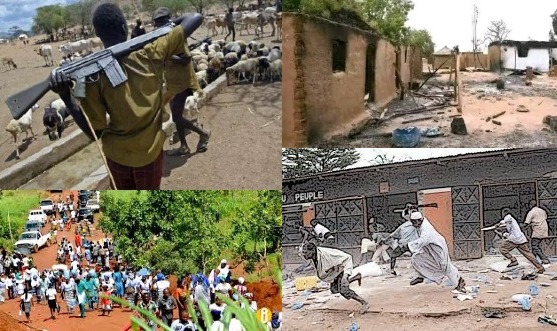
The Fulani people are Africa’s largest pastoralist group. There are between 25 million and 40 million Fulani people spread across 17 African countries. They are widely distributed in countries such as Nigeria, Burkina faso, Mali, Senegal, Sudan, Cameroon, Chad, and Ethiopia, among others.
In Nigeria, the Fulani are predominantly found in the northern part of the country, especially in the Northeast. They are present in Taraba, Adamawa, Bauchi, Gombe, and Yobe States. In the Northwest, they are found in Katsina, Sokoto, and Zamfara States, while in the North-Central region they are also found in Niger State and other neighbouring areas.
For centuries, the Fulani have intrigued social anthropologists because of their rich and complex cultural heritage. They are traditionally pastoralists who raise cattle, goats, and sheep across vast grasslands and sell dairy products such as milk. The Fulani have long been known as a peaceful ethnic group, recognized for their calm mannerisms and harmonious relationships with their host communities.
However, in recent years, this narrative has changed, particularly in Nigeria, where some members of the ethnic group have been linked to violent crimes and are often associated with the “herder-farmer” crisis. As a result, the Fulani are increasingly portrayed as “bandits.”
What could make an ethnic community once known for harmony become associated with headlines of violence? The answer lies in a combination of factors. Traditional grazing routes have been blocked by expanding farmlands, while climate change and environmental degradation have forced many herders to move in search of pasture and water. And these movements often result in clashes with farmers over damaged crops and access to land.
In recent years, the situation has become even more complex. Kidnapping, cattle rustling, and other forms of criminality have increased, particularly in Northwestern Nigeria, and many people believe that Fulani individuals make up a significant proportion of those involved. Consequently, the crisis is no longer only about cattle, farmland, or grazing routes; it has evolved into a struggle involving survival, revenge, insecurity, and economic gain.
Today, the Fulani identity in Nigeria is caught between history and contemporary realities, between the peaceful herder of the past and the “bandit” label often attached to the group today. Nevertheless, it is important to note that the actions of criminal elements should not be used to define an entire ethnic community. Until the root causes of the conflict are effectively addressed, this cycle of violence and mistrust will continue to shape public perceptions of the Fulani people.






















You must be logged in to post a comment Login