Forgotten Dairies
The Rising Rate Of Corruption In Nigeria -By Monday Priscillia Ogheneyole
Third, citizens must play an active role in combating corruption. People should refuse to offer or accept bribes and should report corrupt activities whenever they occur. Educational institutions, religious organizations, and the media should continue to promote values such as honesty, integrity, and accountability.

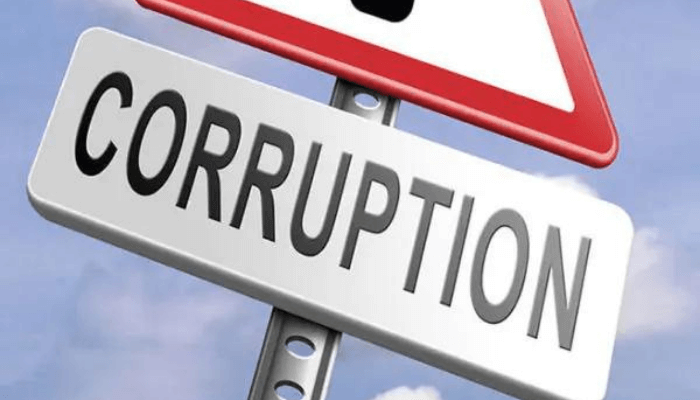
Corruption remains one of the greatest challenges facing Nigeria today. Despite numerous efforts by governments, anti-corruption agencies, and civil society organizations, the problem continues to grow and affect every aspect of national life. Corruption refers to the abuse of entrusted power for personal gain. It includes bribery, embezzlement, fraud, favoritism, nepotism, and the misuse of public resources. The rising rate of corruption in Nigeria has become a serious concern because it hinders development, weakens institutions, and reduces public trust in government.
Nigeria is richly blessed with natural resources, especially crude oil, gas, and vast agricultural land. However, the benefits of these resources have not been fully enjoyed by the majority of citizens. One major reason for this situation is corruption. Funds meant for development projects are often diverted into private pockets. As a result, many communities lack good roads, quality healthcare facilities, clean water, and functional schools. Corruption has prevented the country from achieving its full potential despite its enormous wealth.
One of the major causes of corruption in Nigeria is poverty. Many citizens struggle to meet their daily needs and may become vulnerable to corrupt practices in order to survive. Low wages and poor working conditions in some sectors also encourage workers to seek illegal means of supplementing their income. In addition, unemployment, especially among young people, has created an environment where some individuals engage in fraudulent activities and other forms of corruption.
Another factor contributing to the rise of corruption is weak institutions. Although Nigeria has agencies such as the Economic and Financial Crimes Commission (EFCC) and the Independent Corrupt Practices Commission (ICPC), challenges such as political interference, inadequate funding, and slow judicial processes often limit their effectiveness. When corrupt individuals are not punished promptly, others are encouraged to continue engaging in similar activities without fear of consequences.
Political corruption is another significant problem in Nigeria. During elections, vote buying, election rigging, and misuse of public funds are common allegations. Some politicians see public office as an opportunity for personal enrichment rather than service to the people. Public resources that should be used for infrastructure, healthcare, and education are sometimes mismanaged or stolen. This behavior undermines democracy and weakens public confidence in leadership.
The effects of corruption on the Nigerian economy are devastating. Corruption discourages both local and foreign investors because it creates uncertainty and increases the cost of doing business. Investors are often reluctant to operate in environments where bribery and lack of transparency are widespread. Consequently, economic growth slows down, job opportunities become limited, and poverty levels increase. The nation’s resources are wasted, and development projects are either abandoned or poorly executed.
Corruption also affects the education sector. Funds allocated for schools, teaching materials, and infrastructure may be misappropriated, resulting in inadequate learning facilities. Students sometimes encounter corrupt practices such as examination malpractice and bribery. These actions compromise the quality of education and produce graduates who may lack the skills and knowledge required for national development.
The healthcare sector is equally affected by corruption. Money intended for hospitals, medical equipment, and essential drugs may be diverted for personal gain. This leads to poorly equipped health facilities, shortages of medicines, and inadequate healthcare services. Many citizens suffer because they cannot access quality medical care, while preventable diseases continue to claim lives.
Furthermore, corruption contributes to insecurity in Nigeria. When funds meant for security agencies are mismanaged, the ability of these agencies to combat crime and terrorism is weakened. Corruption within law enforcement institutions can also allow criminals to escape justice. This creates an environment where crime flourishes and citizens feel unsafe.
To address the rising rate of corruption, several measures must be taken. First, anti-corruption agencies should be strengthened and allowed to operate independently without political interference. The judicial system should ensure that corruption cases are handled swiftly and fairly. Those found guilty should face appropriate punishment regardless of their social or political status.
Second, transparency and accountability should be promoted in government activities. Public officials should be required to declare their assets, and government spending should be closely monitored. The use of technology in public administration can help reduce opportunities for corruption by minimizing human interference in financial transactions.
Third, citizens must play an active role in combating corruption. People should refuse to offer or accept bribes and should report corrupt activities whenever they occur. Educational institutions, religious organizations, and the media should continue to promote values such as honesty, integrity, and accountability.
In conclusion, the rising rate of corruption in Nigeria poses a serious threat to national development, economic growth, and social progress. It affects every sector of society and deprives citizens of the benefits of the country’s resources. Combating corruption requires the collective efforts of government, institutions, and citizens. With strong leadership, effective laws, transparent governance, and a commitment to ethical values, Nigeria can reduce corruption and build a more prosperous and equitable society for future generations.