Africa
Where Is The Conscience Of Nigerian Politicians? -By Isaac Asabor
In May 2024, data from the National Bureau of Statistics (NBS) showed food inflation at over 40%. A market woman in Mushin recently lamented, “Rice is now gold, beans na silver, na only cassava remain, and dem don increase am too.” Meanwhile, billions are earmarked yearly for frivolous line items like “generator fuel,” “kitchen refurbishment,” and “wardrobe allowance” for lawmakers.

A Yoruba professional colleague of mine often quoted a proverb that goes, “Eniyan l’aso mi.” When I once asked him what it meant, he explained that it translates to “People are my covering.” In essence, he meant that a person’s humanity, empathy, and conscience are what truly clothe and dignify them in society. With that in mind, one cannot help but ask: Do Nigerian politicians still possess a conscience? Or have they bartered it away for power, greed, and the ruthless mismanagement of the very economy meant to sustain their people?
It is disheartening to see a nation blessed with abundant human and natural resources being dragged through the mud of poverty, corruption, and economic sabotage. One begins to wonder: Does it mean that these men and women in government, those entrusted with the responsibility of steering the economy toward prosperity, do not have a conscience? Has the Nigerian politician become immune to the suffering of the average citizen?
Let us take this question back to the root, to creation. This is as it is well known that God created man and woman with conscience. From the very beginning, God endowed human beings with the gift of conscience. In the Book of Genesis, God created man in His own image (Genesis 1:27). That image includes moral capacity, the ability to distinguish between good and evil. This is echoed in Romans 2:15 where Paul writes: “They show that the requirements of the law are written on their hearts, their consciences also bearing witness.” Conscience is not a social construct; it is a divine implant.
When Adam and Eve ate the forbidden fruit, their conscience was awakened (Genesis 3:7). They suddenly felt shame, guilt, and the need to hide. That moment tells us that moral awareness is an inescapable part of the human condition, unless it is deliberately seared.
This takes us to another strong biblical reference. 1 Timothy 4:2 speaks of those whose consciences have been “seared as with a hot iron.” In other words, they are no longer moved by guilt, remorse, or empathy. Is this what has happened to many Nigerian politicians?
Without a doubt, Nigeria is a Nation groaning under economic mismanagement. In fact, Nigerians are groaning. The naira has become a shadow of itself, unemployment is sky-high, inflation is breaking the backs of families, and basic necessities are slipping out of reach for the common man. Meanwhile, political officeholders are living like emperors, driving luxury SUVs, collecting humongous allowances, and junketing around the globe while hospitals rot, schools crumble, and insecurity festers.
In May 2024, data from the National Bureau of Statistics (NBS) showed food inflation at over 40%. A market woman in Mushin recently lamented, “Rice is now gold, beans na silver, na only cassava remain, and dem don increase am too.” Meanwhile, billions are earmarked yearly for frivolous line items like “generator fuel,” “kitchen refurbishment,” and “wardrobe allowance” for lawmakers.
One must ask again: Do they not have a conscience? How do you sleep at night knowing that 133 million Nigerians live in multidimensional poverty while you collect a wardrobe allowance of over ₦1 million?
Let us not forget that many Nigerian leaders claim to be Christians or Muslims. But faith without works is dead (James 2:17), and leadership without conscience is tyranny.
King David, though flawed, often displayed a sensitive conscience. After he cut off a piece of King Saul’s robe in a cave, the Bible says “David was conscience-stricken” (1 Samuel 24:5). Imagine that, he felt guilty just for tearing cloth. Contrast that with a politician who loots billions from public coffers meant for school feeding programs or pension funds.
When Zacchaeus, a corrupt tax collector, encountered Jesus, he had a change of heart. He said, “If I have cheated anybody out of anything, I will pay back four times the amount” (Luke 19:8). That is what a conscience-led leader looks like, one who seeks restitution, not re-election at all costs.
What is most painful about the Nigerian situation is that politicians are not only unconscionable but also unapologetically so. They lie, they loot, and they live lavishly, all in full view of the citizens they claim to serve. Their sense of shame is gone. Their moral compass is broken.
From fuel subsidy scams to budget padding, from ghost workers to contract inflation, the examples are endless. In 2023 alone, Nigeria lost over ₦2 trillion to oil theft. Not one high-profile culprit has been brought to justice. The politicians know that Nigerians will shout for a week and move on. They take advantage of a docile population and a dysfunctional justice system.
A politician with a functioning conscience would resign when they fail to deliver, or at least apologize. In Japan, ministers resign for minor oversights. In Nigeria, they dig in, campaign for higher office, and shamelessly say “I am the best man for the job.”
What Nigeria needs is not just more policies, more agencies, or more economic blueprints. What we need is conscience, in leadership, in governance, and in institutions. Until our leaders are pricked by the suffering of the people and begin to see their offices as sacred trusts, no real change will come.
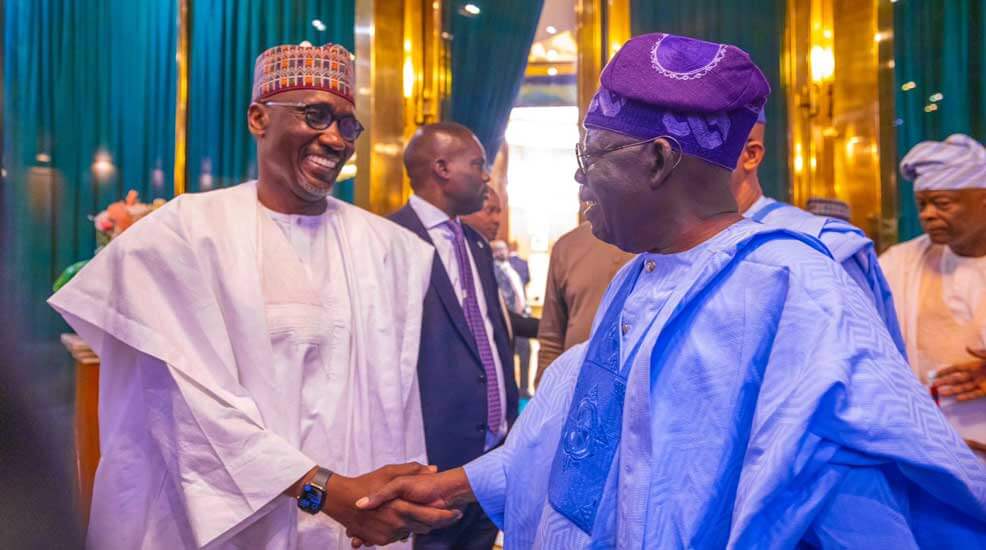
If President Bola Ahmed Tinubu, state governors, ministers, and lawmakers allowed their God-given conscience to guide their decisions, there would be no need for protests, no threat of revolution, and no mass exodus of Nigerian youths to “Japa” abroad.
But as it stands, the political class is morally bankrupt. The same people who chant “progressive agenda” during campaigns now preside over policies that strangle the poor. They hike fuel prices, devalue the currency, and remove subsidies without safety nets, all while increasing their own allowances.
To every Nigerian politician, I ask: Have you no conscience? Can you not see the pain in the eyes of the people? The tears of mothers skipping meals so their children can eat? The frustration of graduates riding okadas and selling sachet water?
God will not hold you guiltless. As Proverbs 21:13 warns, “Whoever shuts their ears to the cry of the poor will also cry out and not be answered.” The day of reckoning will come, if not in this world, then in the one to come.
You were not elected to enrich yourselves. You were chosen to serve. And service without conscience is exploitation.
Let us return to the basics: fear of God, love for people, and a tender conscience that trembles at injustice. Only then can we begin to build the Nigeria we deserve.
Until then, the question remains hanging in the air like the stench of a decaying corpse: Where is the conscience of Nigerian politicians?