
Education
Addressing Educational Inequalities, by Ebe Theresa Eko

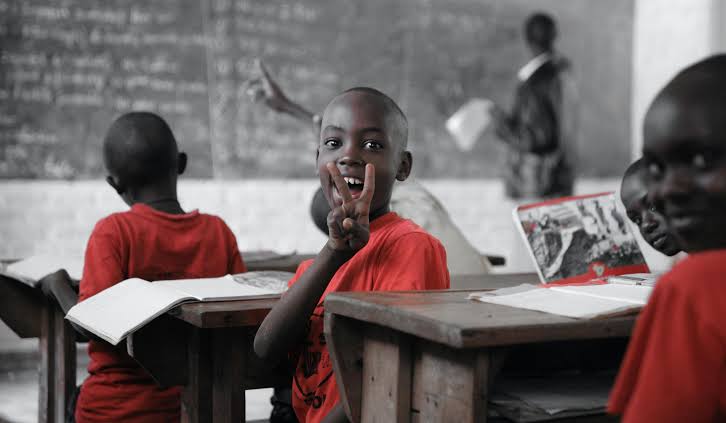
Educational inequality remains a significant barrier to social and economic mobility worldwide. Despite numerous efforts to create equitable educational opportunities, disparities persist across various demographics, including socioeconomic status, race, gender, and geographic location. This issue delves into the complexities of educational inequality and explores potential solutions to this pressing global challenge.
In many countries, access to quality education is still highly uneven. Students in affluent areas often benefit from well-funded schools, experienced teachers, and abundant resources, while those in low-income communities face underfunded institutions, outdated materials, and less qualified staff. The COVID-19 pandemic has exacerbated these disparities, highlighting the urgent need for systemic change.
1. Socioeconomic Status: Children from low-income families often lack access to early childhood education, adequate nutrition, and extracurricular activities that enrich learning. Financial constraints can limit opportunities for higher education, perpetuating the cycle of poverty.
2. Racial and Ethnic Disparities: In many regions, minority groups face systemic biases that hinder their educational progress. Discriminatory practices, such as racial profiling and biased standardized testing, contribute to achievement gaps.
3. Gender Inequality: While progress has been made in some areas, girls in many parts of the world still face barriers to education due to cultural norms, early marriage, and inadequate sanitation facilities in schools.
4. Geographic Disparities: Rural and remote areas often suffer from a lack of educational infrastructure, including schools, trained teachers, and learning materials. Students in these areas are less likely to complete secondary education.
1. Policy Interventions: Governments must prioritize equitable funding models that allocate more resources to underfunded schools. Policies should address the root causes of inequality, including poverty alleviation and anti-discrimination laws.
2. Community Engagement: Local communities play a crucial role in supporting education. Community-led initiatives, such as after-school programs and parent-teacher associations, can help bridge gaps in resources and support.
3. Technology Integration: Leveraging technology can help overcome geographic barriers. Online learning platforms and digital resources can provide quality education to students in remote areas. However, ensuring access to technology and the internet is vital.
4. Teacher Training and Support: Investing in teacher training programs can enhance the quality of education. Teachers need continuous professional development and support to address diverse student needs effectively.
It’s is also a good narrative, domesticating, it will bring the Nigeria’s situation in, as a Chase study, we have the Key Factors Contributing to Educational Inequality- in our case, Nigeria’s case underdevelopment is a major factor. This brings about the infrastructural none availability, when there are no access roads to most of the rural communities, they don’t know about pipe borne water or electricity how do you then talk of online learning through technology? Development makes it easy and possible to access technological services.
Therefore, in my observations you can accommodate these taking Nigeria’s factors into consideration. This is Theresa’s observation, citing Finland as a case study. Finish educational system is one of the most developed in the world, it’s not comparable to ours.
Useful observations, very useful indeed to be studied and modified by you.
Nigeria’s education system is often for its equity and excellence. Key factors contributing to its unsuccessful education include:
– Unequitable Funding: Schools don’t receive funding based on student needs, they didn’t ensure that all students have access to quality education.
– Teacher Professionalism: Finnish teachers are not highly trained and respected, with a strong emphasis on continuous professional development.
– Holistic Approach: The Finnish curriculum do not focuses on holistic development, including social and emotional learning, rather than just academic performance.
Addressing educational inequality requires a multi-faceted approach involving policy reforms, community engagement, technological advancements, and a focus on teacher quality. By working together, governments, communities, and educators can create a more equitable education system that empowers all students to reach their full potential.
Ebe Theresa Eko
ebetherea@gamil.com
Department of Mass Communication,
Federal University Of Kashere, Gombe state.























You must be logged in to post a comment Login