
Africa
Bury The Violence, Not Our People -By Chiechefulam Ikebuiro
Now, let’s be honest: we are quick to blame leaders, and yes, many are guilty of indifference or politicizing the crisis, but we, the people, must also look inwards. Why is it so hard to respect traditional land rights? Why must we violate agreements, encroach on land, and resort to violence? Are we not better than this? Peace begins with personal restraint and community discipline. We cannot claim to seek peace while enabling anarchy.

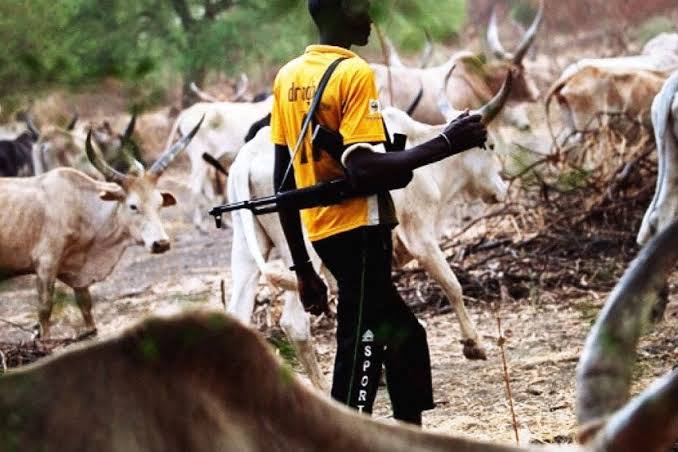
For decades, the threat of farmer-herder conflict has persisted in Nigeria, leaving in its wake a trail of sorrows, tears, and blood. Despite a range of policy interventions, these efforts have had little impact in resolving what has become a perennial crisis.
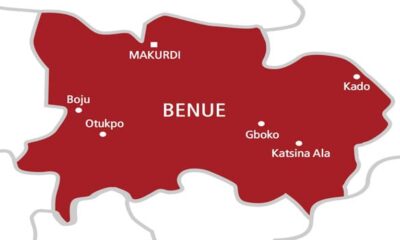
Every cycle of violence in Benue and other Middle Belt states drags us through the same weary motions of shock, outrage, blame, silence, and then forgetfulness, until it happens again. The most recent horror, the killing of over 200 people in Benue, painfully reinforces this. May God rest their souls. It is one too many, and we must finally summon the will to confront this crisis head-on.
Truth be told, this issue is hydra-headed. It is about land, yes, but also about religion, indigeneship versus settler identity, ethnic tension, political manipulation, and cultural traditions. To address it meaningfully, we must tackle each “head” deliberately, and everyone has a role to play, from local actors and traditional leaders to state governors and, ultimately, the President.
A critical starting point is ranching. Today, ranching is being championed as a practical way to limit open grazing and prevent clashes between herders and farmers. Whether state-owned, community-managed, or public-private partnerships, ranches offer a more modern, more peaceful, and more productive approach. Granted, this represents a shift away from nomadic pastoralism, but we must accept that the old ways no longer serve us in a world marked by land scarcity and climate change.
We must also accept that we cannot keep dragging cattle from the North to the South to graze in 2025. Nope! Nope! That practice is outdated and dangerous. It exposes livestock to diseases and produces underfed, exhausted cattle.
With ranching, you get fatter cows, better meat yields, and healthier herds, not to mention the peace it comes with. It’s a win-win. We should not just hold on to tradition without thinking. It’s about time we embraced a smarter, safer, and more profitable future for Nigeria’s livestock economy. Hello, Minister Alhaji Idi Mukhtar Maiha-Minister of Livestock Development, this is your call to action.
Simply put, Nomadism had its place in the past, but it is not compatible with 21st-century realities.
Yet ranching alone won’t solve the crisis. Documentation is key. I recently came across a tweet by Dr. Tokunbo Otitoju (@fimiletoks) that captured the broader solution succinctly:
“Herders must ranch, herders and farmers must be documented and captured on NIN, stop trans-border migration of foreign terrorists claiming to be herders, farmlands must be properly documented, land boundaries respected amongst ethnic groups, state or regional law enforcement units, locally integrated crisis surveillance systems, compensation and justice.”
This is common sense and long overdue. Without data and traceability, we are simply chasing shadows. How can we solve a problem if we don’t even know who is involved? Shouldn’t every herder and farmer be properly registered so we know who owns what? Without clear records, how do we hold anyone accountable when things go wrong? Don’t we think organizing things this way would make it easier to settle conflicts before they turn violent?
And here’s the real danger: when we fail to do these basics, we leave room for armed outsiders to take advantage.
In truth, we may also be facing an even more sinister threat of foreign elements- terrorists masquerading as herders, armed and untraceable, exploiting our porous borders and very weak surveillance. This angle must not be ignored. Our border security must be tightened, and cross-border movement carefully monitored.
Now, let’s be honest: we are quick to blame leaders, and yes, many are guilty of indifference or politicizing the crisis, but we, the people, must also look inwards. Why is it so hard to respect traditional land rights? Why must we violate agreements, encroach on land, and resort to violence? Are we not better than this? Peace begins with personal restraint and community discipline. We cannot claim to seek peace while enabling anarchy.
History offers us guidance. The Ife-Modakeke crisis, once one of Nigeria’s longest and bloodiest communal conflicts, was ultimately resolved through sustained community dialogue, clearly defined boundaries, political will, and locally accepted mechanisms for justice. We must adopt a similar multi-layered approach. We must seek out the 11-point recommendation and implementation of the Bode George committee that was acceptable to all concerned. We have done it before. We can do it again.
Again, state and community policing cannot come soon enough. I have said it before; I am saying it again.
We must also talk about justice. Without justice, peace will always be fragile. Whether herders or farmers, all perpetrators must be prosecuted. Victims must be compensated. There must be consequences for violence, no matter whose ox is gored.
Finally, the buck stops at the President’s desk. President Tinubu’s government must rise beyond condolence tours, PR, and buck-passing. Promises need to start being matched with results. The cost of inaction is too high.
Benue and every part of Nigeria caught in this cycle deserve (deliberately built) peace.
Chiechefulam Ikebuiro
























You must be logged in to post a comment Login