National Issues
Driving Welfare Forward: A Timely Intervention For Police Personnel In The FCT -By Adewole Kehinde
In all, the Police Welfare Bus Scheme is a shining example of leadership that listens and responds. The Inspector-General of Police has once again demonstrated a commitment to improving the welfare of officers, while the FCT Commissioner of Police has shown commendable diligence in execution.

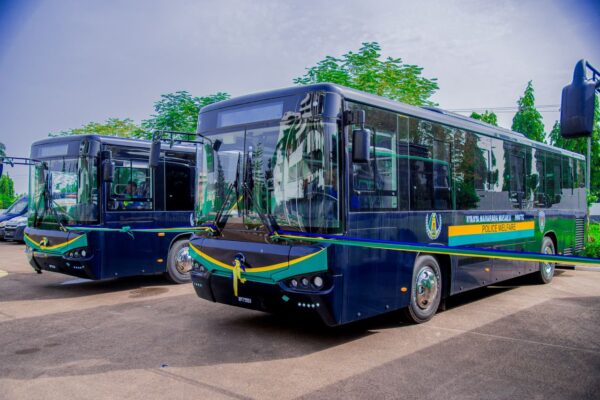
The commencement of the Police Welfare Bus Scheme in the Federal Capital Territory (FCT) is a commendable and forward-thinking initiative by the Inspector-General of Police, Olatunji Rilwan Disu.
At a time when economic realities continue to place immense pressure on public servants, this intervention stands out as both timely and impactful.
Transportation challenges in Abuja have long posed serious difficulties for police personnel. The high cost of commuting, coupled with the ever-present danger of “one-chance” criminal activities, has not only strained officers financially but also exposed them to unnecessary risks.
These challenges inevitably affect punctuality, morale, and ultimately, operational efficiency within the Force.
It is therefore particularly gratifying to note the swift and strategic implementation of this scheme by the Commissioner of Police, FCT Command, Ahmed Muhammed Sanusi.
His immediate deployment of three Compressed Natural Gas (CNG)-powered buses to key and densely populated corridors demonstrates a clear understanding of the needs of personnel.
The carefully mapped routes; covering Goshen and Auta-Balefi axis through Masaka, Mararaba, and Nyanya; the Zuba Divisional Headquarters route extending through Madalla, Abubakar Police Barracks, Brick City, Kubwa, Dutse Junction, and the Secretariat; as well as the Kuje axis linking Kuje Police Barracks, Airport Road, Lugbe, and the Stadium, reflect a deliberate effort to reach the highest concentration of officers. This is not just policy on paper; it is action with visible and immediate benefits.
The advantages of this scheme are significant. By providing structured and reliable transportation, it will enhance punctuality and boost morale among personnel. Reduced commuting stress will inevitably translate into improved focus and productivity on duty.
Additionally, fewer individual vehicles on the road will help ease traffic congestion, while the use of CNG-powered buses aligns with global sustainability goals by reducing carbon emissions.
Equally important is the safety dimension. With professional drivers at the helm, officers are shielded from the dangers associated with informal and often unsafe public transport systems. This alone is a major relief for personnel who daily risk their lives in service to the nation.
However, the success of this initiative will depend not only on its implementation but also on how well it is utilized and maintained. Officers and men of the Command must take full advantage of this opportunity, embracing it as a collective welfare asset. At the same time, the drivers entrusted with these buses carry a significant responsibility.
Proper maintenance and careful handling of the vehicles will go a long way in dispelling the lingering perception that police personnel are poor custodians of public assets.
In all, the Police Welfare Bus Scheme is a shining example of leadership that listens and responds. The Inspector-General of Police has once again demonstrated a commitment to improving the welfare of officers, while the FCT Commissioner of Police has shown commendable diligence in execution.
If sustained and properly managed, this initiative could serve as a model for other commands across the country.
It is a step in the right direction and one that deserves both recognition and support.
Adewole Kehinde is a public affairs analyst based in Abuja. E-,mail: kennyadewole@gmail.com X: @kennyadewole