
Breaking News
Fuel Subsidy Funds: Governors Reject Allegations of Poor Accountability
The Nigeria Governors Forum says states are not responsible for alleged non-accountability of fuel subsidy funds and supports affordable CNG transport.

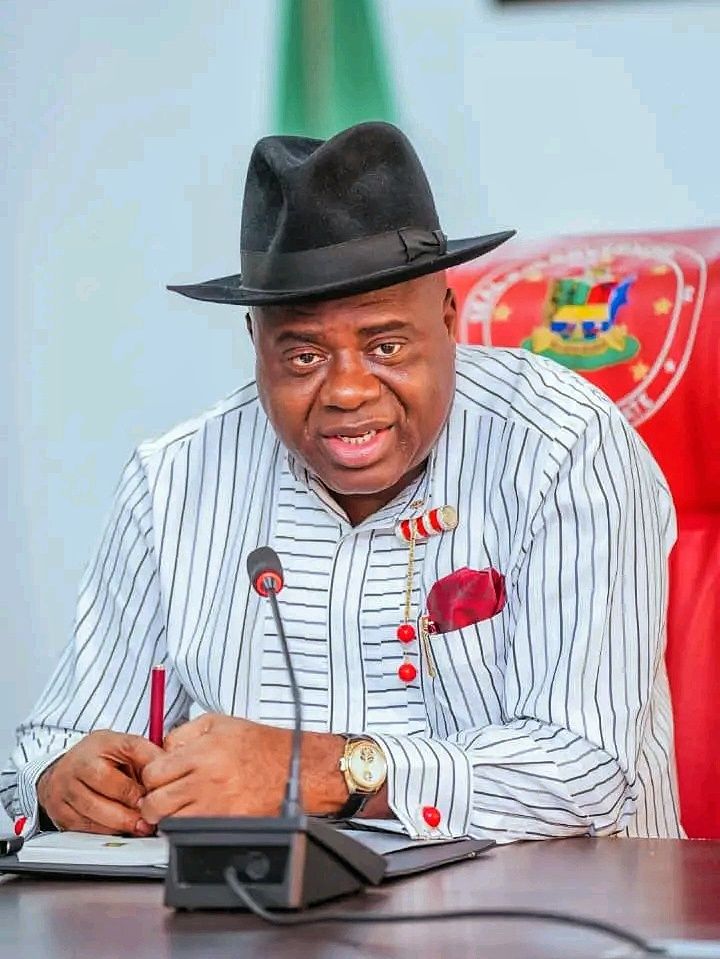
The Nigeria Governors Forum, NGF, has dismissed claims that state governments have failed to account for funds received following the removal of the fuel subsidy.
The 36 governors maintained that allegations of poor management or non-accountability of subsidy removal proceeds by sub-national governments were unfounded.
The governors, however, expressed support for the proposed National Affordable CNG Transit Programme, NACTP, which they said could bring down transportation costs and ultimately ease the burden on Nigerians.
The position was contained in the communique issued after the governors’ third meeting, held at the NGF Secretariat in Abuja from Wednesday night into the early hours of Thursday.
The proposed programme is designed to leverage the lower operating cost of CNG to reduce transport fares, with states expected to support vehicle conversions, CNG fleets and necessary infrastructure.
Bayelsa Governor Douye Diri, who presented the communique on behalf of NGF Chairman AbdulRahman AbdulRazaq, said the governors recognised the link between rising transport costs and inflation.
He said the governors noted that the NACTP had the “potential to ease transportation costs, and agreed on the need to further consider its financing and implementation framework.”
Asked if the governors accepted blame for alleged failure by sub-national governments to account for funds obtained from the subsidy removal, Diri responded: “That cannot be true. That cannot be true. But we’ll leave that debate for another day.”
Diri said the governors planned to work with the private sector to expand the use of CNG vehicles, stressing that “gas is cheaper than petrol, which will actually reduce the costs of transportation.”
According to him, lower transportation costs would affect several areas of the economy, with the ultimate benefit expected to reach ordinary Nigerians.
“The impact is expected to be on our people, the common man,” he said.
The governor further disclosed that Industry, Trade and Investment Minister, Dr Jumoke Oduwole, briefed the Forum on opportunities for states to participate in CANEX Weekend 2026 and the Intra-African Trade Fair, IATF 2027, which are both scheduled for Lagos.
Diri said governors had expressed their collective commitment to participating in the events, noting their potential to promote investment, exports, tourism and state-based small and medium-sized enterprises.
On why the proposed palliative programme is centred on transportation, the NGF explained that transportation costs directly influence the prices of food and other goods.
“Transportation is key. Transportation is key to several other factors,” the Forum said, explaining that the cost of moving goods from one location to another ultimately affects the prices consumers pay for products such as yam and garri.
The governors said reducing transport costs would therefore have a “multiplier effect” on other areas of the economy.
Diri said the timeline for implementing the NACTP had yet to be finalised, explaining that the details would be agreed between the Forum and the programme’s proponents.
“Those details will be worked out between the Forum and those who have come to present to the Forum,” he said.
On calls for the reversal of the fuel subsidy removal, Diri said measures such as the proposed CNG programme were being considered to cushion the impact of the reform.
He maintained that cheaper CNG-powered transportation could help reduce costs across various sectors and ease the burden on Nigerians following the removal of the subsidy.
Africans Angle News






















You must be logged in to post a comment Login