
Entertainment
Gwo Gwo Gwo Ngwo and the Nostalgia of a Nation: A Reflection, by Prince Charles Dickson, PhD

“Ka ana achu aja, ka ikpe n’ amah ndi mmuo.” Let’s keep sacrificing, let the gods take the blame. (Igbo Proverb)
Nigeria is a nation known for its diversity, vibrancy, and complexity. Yet, one thing that stands out starkly is our inability to collectively agree on a single path. This is reflected in our politics, policies, and even daily interactions. Despite this, there are few areas where unity shines through, namely in music, sports, and entertainment. The recent resurgence of the song “Gwo Gwo Gwo Ngwo” by Pa Mike Ejeagha exemplifies this phenomenon, highlighting both the nostalgic yearning for the past and the fragmented present we find ourselves in.
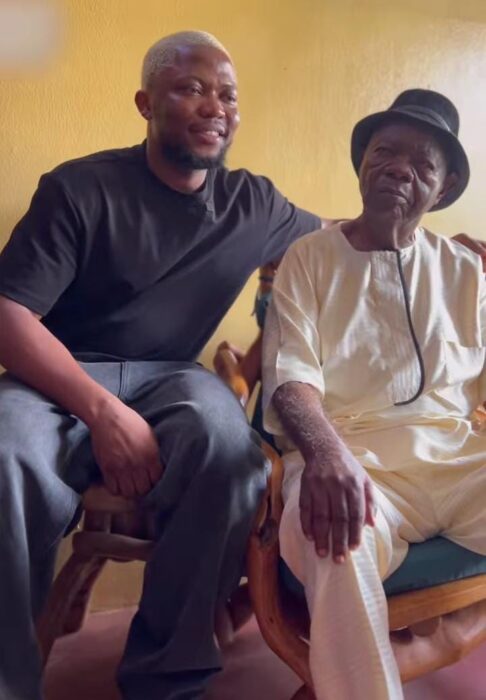
Originally produced in 1983, “Gwo Gwo Gwo Ngwo” by Gentleman Mike Ejeagha has experienced a remarkable resurgence in 2024. This resurgence was sparked by a skit from Brain Jotter, a popular skitmaker, who used a segment of the song in his comedy sketch. The song’s catchy ending, “gwo gwo gwo ngwo,” caught on like wildfire, trending across various social media platforms and bringing the 41-year-old song into the limelight once again.
Mike Ejeagha, who will be 94 years old in August 2024, suddenly found his decades-old folktale song becoming the trendiest piece of music in the country. This phenomenon led to a heated debate over copyright infringement issues and payment rights, raising questions about who benefitted more from this revival—Brain Jotter or Mike Ejeagha.
The controversy centers around the intellectual property protocols, which suggest that the duration of the sound clip used by Brain Jotter is less than the required length to qualify for royalty sharing. Whatever Brain Jotter gifted the old man in appreciation is just that—a gift. The silver lining here is the renewed interest in Ejeagha’s works, providing an opportunity for him to earn from his repertoire once again. On the side lines the fact emerging is that his record company having dragged him to court for several years simply refused to pay him royalties amongst many other issues.
The song “Gwo Gwo Gwo Ngwo” is a folktale that tells the story of a tortoise outsmarting an elephant to marry a king’s daughter. The king had decreed that whoever could bring a large animal like an elephant or cow tethered to the feast would marry his daughter. None of the animals succeeded, except for the tortoise. The tortoise tricked the elephant into believing he was to chair the occasion, and on their journey, the tortoise convinced the elephant to allow him to place a rope around its neck for safety. Upon arrival, the tortoise presented the tethered elephant to the king and won the princess’s hand in marriage. This story elevates intellectual capacity over brute strength, embodying a lesson in wisdom and cunning.
The story of “Gwo Gwo Gwo Ngwo” and its resurgence brings back fond memories of a Nigeria that many feel has been lost. The nostalgia is palpable, especially when considering how unified and proud Nigerians once were. There was a time when the Naira outweighed the Dollar, Nigerian products were renowned, and the nation enjoyed a semblance of order and pride.
In those days, Nigeria’s public institutions, such as the Nigerian Airways, Nigerian Railway, and NITEL, were symbols of national pride. The education system was robust, with universities like the University of Ibadan, University of Nigeria, Obafemi Awolowo University, and Ahmadu Bello University being the pinnacle of academic excellence. Public education was patriotic, and national unity was a given.
Today, Nigeria finds itself in a very different place. The Naira has plummeted in value, and the country struggles with economic instability and political turmoil. The reliance on foreign investments and aid highlights a lack of self-sufficiency. The disconnect between governance and the governed has grown, with leaders more interested in ruling than leading.
Insecurity has become a significant concern. The once peaceful regions are now hotbeds of violence and unrest. The road trips that were once safe and filled with camaraderie have become perilous, requiring prayers and luck to navigate safely. The sense of community that allowed a stranded traveler to find help easily has diminished, replaced by fear and distrust.
Amidst this turmoil, music, sports, and entertainment have remained unifying factors. They provide a sense of identity and pride that transcends the many divisions within the country. The success of Nigerian artists on the global stage, the collective joy during international sports competitions, and the shared laughter from comedians and skitmakers create moments of unity and national pride.
The revival of “Gwo Gwo Gwo Ngwo” is a testament to the power of these cultural elements. It shows how a single piece of art can bridge generational gaps, bringing back memories of a better past and giving hope for a more unified future. This phenomenon highlights the enduring legacy of our cultural icons and the potential for arts and entertainment to foster national cohesion.
Nigeria’s current challenges are numerous, and the road to recovery and unity is fraught with obstacles. Yet, the resurgence of “Gwo Gwo Gwo Ngwo” offers a glimmer of hope. It reminds us of a time when the nation was more cohesive, and it underscores the importance of preserving our cultural heritage.
While Nigeria may struggle to agree on many issues, the shared love for music, sports, and entertainment provides a common ground. These cultural elements can serve as the foundation for rebuilding national unity and pride. As we look to the future, it is essential to remember the lessons of the past and the power of culture in fostering a sense of togetherness.
Ultimately, the story of “Gwo Gwo Gwo Ngwo” and its unexpected revival teaches us that despite our differences, there are still threads that bind us together. It is up to us to strengthen these threads and weave a stronger, more united Nigeria—May Nigeria win!
—
Prince Charles Dickson PhD
Team Lead
The Tattaaunawa Roundtable Initiative (TRICentre)
Development & Media Practitioner|
Researcher|Policy Analyst|Public Intellect|Teacher
234 803 331 1301, 234 805 715 2301
Alternate Mail: pcdbooks@yahoo.com
Skype ID: princecharlesdickson




















You must be logged in to post a comment Login