
Africa
Nigeria Is Borrowing Its Future Away — And Nobody Is Hitting the Brakes -By Abdulazeez Toheeb Olawale
If Nigeria keeps borrowing without building, keeps servicing debt without empowering citizens, and keeps paying interest without changing course — then we are not developing

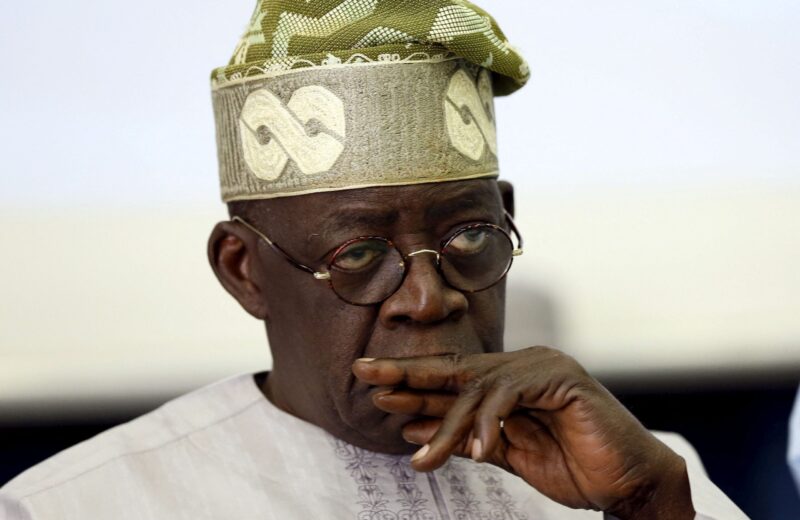
Nigeria is drowning under a mountain of debt — a debt so massive that every newborn child now inherits the burden for a future they never asked for. The country’s total public debt stood at ₦149.39 trillion as of March 31, 2025, split between ₦78.76 trillion domestic debt and ₦70.63 trillion external debt.
On paper, things look tolerable: after the recent GDP rebasing, Nigeria’s debt-to-GDP ratio dropped to 39.4 %, just under the 40 % self-imposed ceiling.
But that statistic is a thin veil — it doesn’t erase the reality that debt service is devouring any hope of real development.
In 2024, domestic borrowing alone ballooned by ₦10.85 trillion in just the first four months, even as oil revenues underperformed and basic services remained dysfunctional.
Debt servicing costs soared; foreign and domestic obligations started swallowing revenue that should have funded hospitals, schools, farms, and security.
Borrowing to Survive — Not to Build
Borrowing is not the problem. Many nations borrow. The problem is what we borrow for — and what becomes of the borrowed funds.
Instead of building infrastructure, improving power supply or investing in agriculture, Nigeria often borrows to pay for recurrent expenses: salaries, subsidies, maintenance, and projects that never see completion.
The result: roads that crumble, hospitals that lack basic supplies, power that remains erratic, and young graduates joining the growing crowds of the unemployed. Debt becomes a tool to mask mismanagement and buy time — but it can’t buy dignity.
A Debt-Fueled Trap for the Vulnerable
The worst hit are ordinary Nigerians who had no hand in the borrowing. The trader paying higher cost of goods, the farmer waking to shootouts, the teacher wondering if the next salary will clear.
When debt servicing displaces development, it isn’t just numbers being crushed — it’s lives, dreams, and entire generations.
More devastating: many of the loans taken are external, meaning fluctuations in exchange rates or global economic shocks could suddenly double the cost of repayment. The country becomes even more vulnerable. Already, external debt rose 26 % year-on-year in 2025.
Soon, Nigeria will spend more on interest than on building the physical, human or social infrastructure necessary for growth.
Rebased GDP — A Shallow Band-Aid on a Gaping Wound
The recent rebasing of Nigeria’s GDP added sectors like fintech, digital economy, and informal labour — a welcome move. It brought the debt-to-GDP ratio under 40%.
But this is statistical comfort, not real comfort. Because behind the improved ratio is still the same debt stock, the same debt service schedule, the same obligations. And for millions of Nigerians, nothing has changed.
The roads are still bad. Power is still unstable. Poverty is still rising. Inflation still burns wallets.
A healthy debt-to-GDP ratio is meaningless when debt servicing leaves no room for social investment.
Why Nigeria’s Debt Is a Time Bomb — And Must Be Treated as One
–Escalating Debt Servicing Costs: As loans pile up, servicing cost will increasingly devour government revenue, crowding out vital sectors like health, education, agriculture, and security.
–Vulnerability to External Shocks: With large external debt, currency depreciation or global economic downturns could dramatically increase repayment cost, hiking interest burden on citizens.
–Stunted Growth for the Next Generation: Future budgets will be shackled by debt obligations, leaving little for youth empowerment, infrastructure, technology — the building blocks of the future Nigeria’s youth deserve.
–Eroding Public Trust: Every new loan without visible improvement deepens public cynicism. People begin to see borrowing as another way for elites to grow richer while citizens grow poorer.
–Moral Debt on Citizens: Nigerians who never signed for these loans now carry the burden — in higher taxes, expensive goods, unstable power supply, poor roads, limited social services.
How to Stop This National Self-Sabotage
Nigeria must act — not tomorrow, but now. The following steps are essential:
Freeze non-essential borrowing and stop treating loans as quick-fix budgets.
Audit existing debt and associated projects — every naira borrowed must be traced to visible, completed results.
Prioritise revenue reforms and widen tax base — ensure sustainable revenue without overburdening the poor.
Slash wasteful recurrent spending and redirect funds to development and productivity-enhancing sectors.
Introduce a legally binding borrowing ceiling, enforced by parliament and monitored by civil society.
Ensure transparency and public access to all borrowing contracts, repayment schedules, and project status updates.
Conclusion: We Are Borrowing Our Children’s Future–Can We Live With That?
Nigeria has borrowed billions. On paper, debt may look manageable. The ratio may meet global thresholds. But the people on the ground — the trader, the teacher, the farmer, the mother, the young graduate — are still drowning.
When borrowing becomes a tool for survival rather than growth, it becomes a trap. A trap not just for government, but for generations yet to be born.
If Nigeria keeps borrowing without building, keeps servicing debt without empowering citizens, and keeps paying interest without changing course — then we are not developing.
We are surviving on hope — a hope built on debt.
And hope that costs tomorrow’s children their birthright cannot be a foundation for a nation.
Nigeria must wake up before the debt clock finishes ticking. Because once tomorrow arrives, there may be nothing left to borrow.
About the Writer
Abdulazeez Toheeb Olawale is a budding journalist and public affairs analyst with a keen interest in Nigeria’s economic, governance, public policy, and national development. His commentary focuses on accountability, transparency, and the lived realities of ordinary Nigerians.
He can be reach via:toheebazeez200@gmail.com



















You must be logged in to post a comment Login