
Forgotten Dairies
Nigeria’s Housing Crisis: When Cities Grow Faster Than Shelter -By Muhammad Samaila Muhammad
The challenge Is enormous, but so too are the opportunities. With visionary leadership, bold policies, and genuine commitment, Nigeria can turn its housing crisis into a chance to reshape its cities, empower its citizens, and strengthen its democracy. For now, however, millions still wait, trapped between the walls of poverty and the dream of a home that remains out of reach.

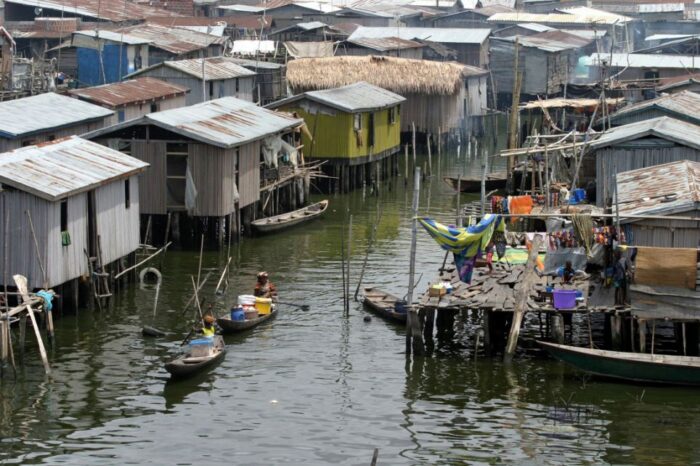
Nigeria, Africa’s most populous nation, is grappling with a housing crisis that has spiraled into one of the biggest challenges of urban life. As millions migrate to cities in search of opportunities, the demand for affordable housing has outstripped supply by a staggering margin. The Federal Mortgage Bank of Nigeria recently estimated the country’s housing deficit at over 28 million units. This means millions of families live in substandard conditions, informal settlements, or overcrowded apartments, paying exorbitant rents for spaces that barely meet human dignity.
The roots of the housing crisis are complex. Rapid urbanization is a major factor. Cities such as Lagos, Abuja, Kano, and Port Harcourt attract thousands of new residents daily, yet urban planning has not kept pace with this influx. Lagos alone, with a population exceeding 20 million, is home to sprawling slums like Makoko, where wooden shacks perched on water serve as “homes” for thousands. These communities lack basic amenities—clean water, sanitation, and electricity—yet they are the only affordable option for many urban poor.
Government efforts to bridge the housing gap have often fallen short. Housing schemes announced with fanfare are either underfunded, abandoned, or priced far beyond the reach of average Nigerians. Estates built by federal or state governments are frequently targeted at the middle or upper classes, leaving low-income earners without viable alternatives. Mortgage systems that could have eased access are constrained by high interest rates, rigid conditions, and lack of awareness. For most Nigerians, the dream of owning a home remains a distant fantasy.
The private sector has stepped in, but with limited impact. Real estate developers focus largely on luxury apartments and gated communities that cater to the wealthy, neglecting the mass market where the housing gap is most severe. The result is a distorted housing landscape where gleaming towers and mansions rise alongside sprawling slums, highlighting the stark inequality in Nigerian cities. Meanwhile, rising construction costs, driven by inflation, foreign exchange volatility, and import dependence for building materials, have made affordable housing projects even more difficult.
The human cost of this crisis is visible everywhere. Families live in overcrowded single rooms, with parents and children crammed into spaces meant for one. Tenants face yearly hikes in rent, often being forced out by landlords when they can no longer keep up. Homelessness is on the rise, with thousands sleeping under bridges, in uncompleted buildings, or on city streets. Insecurity, poor sanitation, and health hazards thrive in these conditions, creating a vicious cycle of poverty and vulnerability.
Experts warn that unless urgent action is taken, the housing crisis will deepen as Nigeria’s population continues to grow rapidly. By 2050, the country is projected to be the third most populous in the world, with over 400 million people. Without adequate planning, this demographic boom will overwhelm cities, worsen slum proliferation, and exacerbate social tensions. Already, housing scarcity has fueled conflicts between landlords and tenants, sparked evictions, and intensified the struggle for land ownership in major cities.
Solutions exist but require political will and consistent implementation. First, governments at all levels must prioritize affordable housing in their development agenda. This means investing in large-scale, low-cost housing projects that genuinely cater to low and middle-income earners. Second, policies must encourage local production of building materials to reduce costs and dependence on imports. Third, access to mortgage and financing must be reformed to make home ownership accessible to ordinary Nigerians, not just the elite.
Urban planning also needs urgent reform. Informal settlements should not simply be demolished, displacing thousands, but upgraded with basic amenities and integrated into the city fabric. Land reforms must simplify property registration and reduce bottlenecks that discourage investment in affordable housing. Partnerships with the private sector, NGOs, and international agencies could also unlock innovative housing solutions, from modular homes to green building technologies.
Beyond infrastructure, the housing crisis is a test of Nigeria’s social justice. A nation where millions sleep in unsafe conditions while luxury estates lie unoccupied reflects deep inequalities that undermine social cohesion. Providing adequate shelter is not just an economic issue but a fundamental human right. If Nigeria truly aspires to development, it must ensure that every citizen has access to a safe, affordable place to call home.
The challenge Is enormous, but so too are the opportunities. With visionary leadership, bold policies, and genuine commitment, Nigeria can turn its housing crisis into a chance to reshape its cities, empower its citizens, and strengthen its democracy. For now, however, millions still wait, trapped between the walls of poverty and the dream of a home that remains out of reach.
Muhammad Samaila Muhammad is a 300 Level Student From Mass Communication Department University Of Maiduguri.





















You must be logged in to post a comment Login