
National Issues
Nigeria’s Mines Of Blood -By Ike Willie-Nwobu
It Is no coincidence that in Nigeria, the poorly regulated solid minerals sector has contributed to rising insecurity. Gold reserves in some states in the North have largely fueled insecurity in those areas, with foreigners, bandits, locals, and government officials all locked in the race to make the most profits.

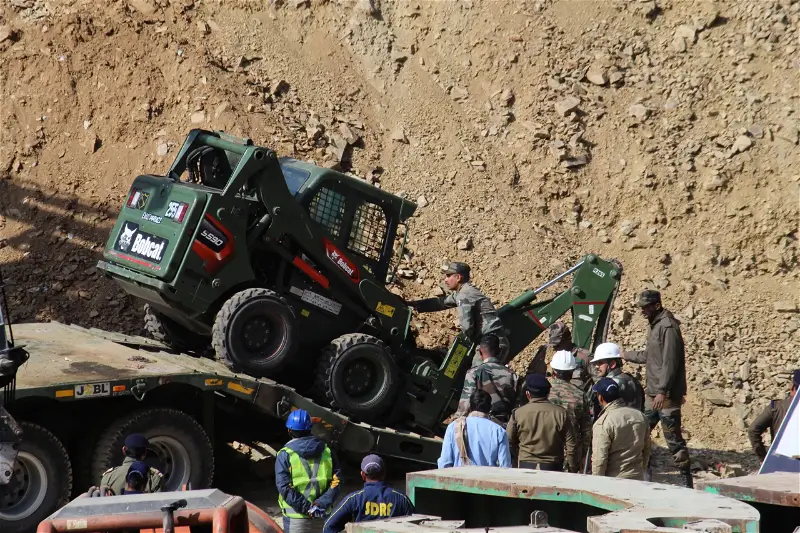
It is a blood-curdling aberration that in Nigerian mines where minerals should be mined and minded, blood often flows. More damning is the reality that a country rich beyond measure in minerals is reluctant to clean up its often bloody mines.
On January 22, 2026 gunmen attacked and killed about seven miners at a mining site in Kuru, Jos South Local Government Area of Plateau State. According to the reports, they arrived at the mine and started shooting indiscriminately, leading to the death of the miners. The youngest of the slain was just about fifteen years old.
With Nigeria’s vast landscape awash in mineral resources, the government has in recent times talked up mining and the resultant mineral resources as a way to diversify its economy and reduce the emphasis on oil. As a result, the government has recently started seemingly paying more attention to Nigeria’s minerals sector and what happens in the mines.
For so long, as Nigeria paid disproportionate and disastrous attention to oil as its chief source of revenue and major driver of its economy, other sectors of the Nigerian economy were largely neglected. These included the solid minerals sector, which has largely suffered neglect and exploitation.
In most countries of the world awash with mineral resources, conflict is never far away, with the race to exploit the mineral resources often resulting in violent instability and insecurity for the immediate communities. Unfortunately, Africa has been a blood-soaked experiment how mineral resources can spin countries into an unending and bloody cycle of bone-chilling violence.
It Is no secret that the brutal civil wars fought in Liberia and neighboring Sierra Leone were inextricably linked to the mineral resources in those countries, specifically the huge diamond reserves in those countries. The atrocities committed in the Democratic Republic of Congo remain well-documented, with the country remaining a heartbreaking example of what happens when the government fails to adequately regulate the mineral resources ecosystem within a country.
Similarly, the rush for Sudan’s gold has played a stirring role in the conflict that is reducing one of Africa’s most iconic countries to its knees, taking a particularly crushing toll on women and children.
It Is no coincidence that in Nigeria, the poorly regulated solid minerals sector has contributed to rising insecurity. Gold reserves in some states in the North have largely fueled insecurity in those areas, with foreigners, bandits, locals, and government officials all locked in the race to make the most profits.
For those who fuel Nigeria’s grave security crisis, it is no surprise that they find solid minerals an attractive proposition, as selling them on the black market would give them the financial resources they dearly need to keep their deadly activities going.
Nigeria continues to lose humongous amounts of money in revenue because of the activities of illegal miners. Many of these illegal miners are just unemployed young people seeking to earn a living. But a good number of them include those fueling insecurity in Nigeria. The toll their activities take on their immediate communities, the environment, and the country as a whole is huge.
It Is clear that Nigeria can by no means continue to tolerate their excesses. While it is crucial to protect Nigeria’s mineral resources to boost revenue, it is even more important that those who drench Nigeria’s mines in blood are made to face the full wrath of the law.
Ike Willie-Nwobu,
Ikewilly9@gmail.com























You must be logged in to post a comment Login