Opinion
Rethinking Africa as the Centrepiece of Nigeria’s Foreign Policy -By Tochukwu Jimo Obi
The time has come for the Federal Government to rethink Africa as the unquestioned centrepiece of Nigeria’s foreign policy and place Nigeria and Nigerians first. A foreign policy built primarily on national interest will restore the dignity of Nigerians abroad and send a clear message that violence and discrimination against our citizens will no longer be tolerated. Nigeria can still support African unity and development, but such commitments must never come at the expense of the welfare, security and respect of Nigerians. Enough is enough.

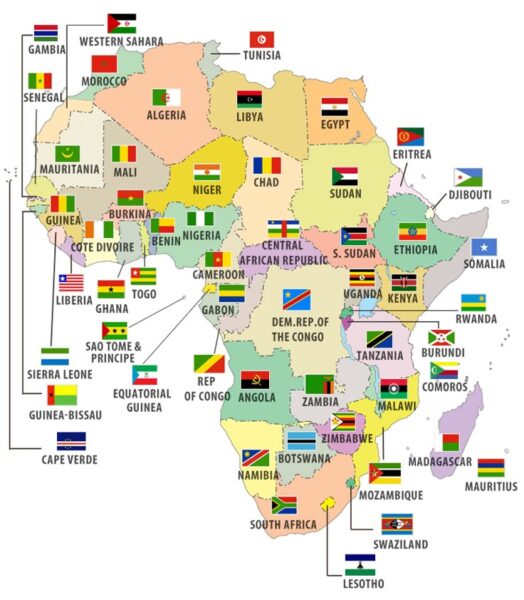
Nigeria adopted Africa as the centrepiece of her foreign policy at independence in 1960, during the government of Abubakar Tafawa Balewa in the First Republic. Balewa strongly believed that Nigeria belonged to Africa and should therefore give priority to African affairs in its external relations. His administration pursued policies aimed at promoting African unity, decolonisation and peaceful coexistence among African states.
The policy was later officially articulated and consolidated under the military government of Murtala Mohammed and subsequently Olusegun Obasanjo in the mid-1970s. In 1976, the Murtala/Obasanjo regime formally declared Africa as the “centrepiece” of Nigeria’s foreign policy. This doctrine shaped Nigeria’s diplomatic engagements for decades and established the country as a major force in African politics and peacekeeping.
Over the years, Nigeria committed enormous resources towards the liberation and stability of African countries. The country supported anti-apartheid struggles in Southern Africa, funded peacekeeping operations, provided financial assistance to struggling African states and sent security personnel and professionals across the continent to maintain peace and order. Nigeria proudly assumed the role of the “Big Brother” of Africa, often placing continental interests above narrow national gains.
However, recent realities have forced many Nigerians to question whether this foreign policy direction still serves the national interest. Nigerians living in different parts of the world, including African countries such as South Africa, Ghana, Cameroon and Kenya, increasingly face discrimination, harassment and hostility. Many have complained of unfair treatment despite Nigeria’s longstanding contributions to African development and unity.
Particularly disturbing are the recurring xenophobic attacks against Nigerians in South Africa. For years, violent protests and targeted attacks have resulted in the destruction of Nigerian-owned businesses, loss of properties and even the deaths of innocent Nigerians. Many Nigerians residing in South Africa have also reported being denied access to hospitals and other public facilities, further worsening their suffering and insecurity.
What makes the situation even more troubling is the perceived lack of accountability. There are hardly any public records showing that perpetrators of these attacks have been seriously prosecuted or punished. This has created the widespread impression that the attacks enjoy tacit state support or, at the very least, official indifference. Such developments naturally provoke anger and disappointment among Nigerians who remember the sacrifices their country made in the struggle against apartheid and in stabilising several African nations.
The painful reality is that many African countries have not reciprocated Nigeria’s goodwill and generosity. While Nigeria opened its doors and resources to fellow Africans, many Nigerians abroad continue to suffer humiliation and abuse. Foreign policy should ultimately protect national interests and safeguard citizens, not merely pursue symbolic continental leadership without tangible benefits for the people at home.
Nigeria must therefore adopt a more reciprocal approach to foreign diplomacy. Countries that fail to protect Nigerians within their borders should not expect preferential treatment from Nigeria. Diplomatic relations should be guided by mutual respect, protection of citizens and shared responsibility. The Nigerian government must demonstrate that the dignity and safety of Nigerians are non-negotiable in all bilateral and multilateral engagements.
The time has come for the Federal Government to rethink Africa as the unquestioned centrepiece of Nigeria’s foreign policy and place Nigeria and Nigerians first. A foreign policy built primarily on national interest will restore the dignity of Nigerians abroad and send a clear message that violence and discrimination against our citizens will no longer be tolerated. Nigeria can still support African unity and development, but such commitments must never come at the expense of the welfare, security and respect of Nigerians. Enough is enough.
Tochukwu Jimo Obi, from Obosi in Idemili North LGA of Anambra state.