
Forgotten Dairies
The Current Situation In Nigeria And Its Effect On The People -By Onoriode Tracy Egwolomena
Addressing these multifaceted challenges requires deliberate, synchronized actions from both state actors and the broader population. For the government, immediate practical priorities must include the generation of sustainable job opportunities, the thorough strengthening of national security architectures, and increased budget allocations targeted at reviving the educational and medical sectors, alongside a sustained fight against corruption. Conversely, the citizens of Nigeria hold an equally vital responsibility in steering the nation toward stability.

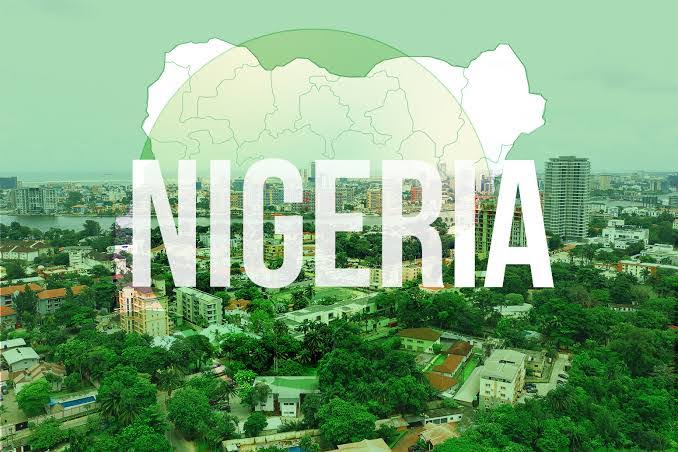
Nigeria, frequently referred to as the “Giant of Africa,” is a nation blessed with an abundance of natural resources, diverse and vibrant cultures, and a resilient population. Despite these inherent strengths, the country faces systemic challenges that profoundly affect the daily lives of millions of its citizens. Across the nation, individuals, families, businesses, and corporations must navigate a complex web of economic hardships, pervasive insecurity, inflation, inadequate public infrastructure, high unemployment, and deeply entrenched corruption. These intersecting issues have far-reaching consequences, altering everything from the basic cost of living and accessibility of healthcare to educational standards and the general living standard of the people. To understand the current state of the nation, it is essential to analyze how these challenges manifest within society and to identify the collective efforts required from the government, the private sector, and the citizenry to achieve a sustainable and lasting solution.
Foremost among the crises reshaping society is the severe economic hardship experienced by the average household, with many finding it difficult to afford basic needs such as food, medical care, and daily transportation. A primary catalyst for this situation has been recent fiscal reforms, specifically the removal of the fuel subsidy alongside structural changes to the foreign exchange system. While designed as long-term reforms, these policies triggered an immediate surge in domestic fuel prices, which in turn caused exponential increases in transportation costs and market commodity prices. The real-world implications of this economic shift are severe; according to a Reuters report published on July 2, 2026, the World Food Programme revealed that millions of individuals across northern Nigeria are currently facing severe hunger due to the unmanageable rise in food prices. As inflation erodes purchasing power, the general standard of living continues a downward trajectory.
Compounding the economic strain is the persistent wave of insecurity that casts a shadow over both urban and rural communities. Many regions continue to experience the devastating effects of frequent kidnappings, banditry, localized killings, and armed robbery. Beyond the immediate loss of human lives, this atmosphere of fear has displaced countless families and directly crippled the agricultural sector, as farmers cannot go to their fields due to the imminent threat of attacks, further accelerating the food crisis. The scale of this threat is evidenced by frequent security incidents; for instance, on June 8, 2026, Reuters reported that armed bandits abducted thirty-nine villagers in Zamfara State after deceptively inviting them to a peace meeting. Similarly, on July 1, 2026, Reuters reported that at least thirty-six children and a staff member were forcefully abducted from a school in northeastern Nigeria, marking another disturbing incident in a trend of targeted educational abductions.
Simultaneously, the country’s development faces a critical obstacle in the form of widespread youth unemployment. Every year, thousands of ambitious graduates leave higher institutions only to find a severe shortage of viable employment opportunities, forcing them to settle for exceptionally low-paying jobs, enter the volatile informal sector, or remain unemployed for extended periods. This underutilization of youthful talent diminishes individual standards of living and slows national economic growth. Acknowledging the gravity of this issue, the federal government has attempted to pivot its policy direction. As reported by Vanguard News on June 9, 2026, the administration announced comprehensive plans to reduce unemployment by improving technical and vocational education, introducing specialized programs to help young people gain practical skills that match the contemporary needs of employers.
The societal strain is equally evident in the healthcare sector, which suffers from chronic institutional neglect. Public medical facilities across Nigeria are frequently characterized by a lack of advanced equipment, a critical shortage of trained medical professionals, and an insufficient supply of essential medicines, forcing citizens to travel abroad or pay huge sums at private hospitals to access quality care. This systemic vulnerability becomes dangerously obvious during public health emergencies; on June 18, 2026, Reuters reported that a severe cholera outbreak in Borno State had claimed at least ninety lives and infected over twelve thousand people. The United Nations emphasized that this rapid outbreak placed immense, destabilizing pressure on an already fragile and overburdened healthcare framework, highlighting the urgent need for structural medical reforms.
Underlying and exacerbating all of these developmental hurdles is the persistent challenge of corruption within various institutional tiers, manifesting through the embezzlement of public funds, the misuse of official power, and the abuse of authority. When public resources are diverted into private pockets, the financial capital available for vital developmental sectors—including education, infrastructure, healthcare, and security—is severely diminished, erasing public trust and discouraging investments. In response to this, anti-graft agencies have intensified their regulatory efforts. On July 3, 2026, the Blueprint Newspaper reported that the Economic and Financial Crimes Commission (EFCC) had successfully secured hundreds of judicial convictions and recovered billions of naira in stolen assets during the first half of 2026, demonstrating that active mechanisms are fighting to enforce accountability.
Addressing these multifaceted challenges requires deliberate, synchronized actions from both state actors and the broader population. For the government, immediate practical priorities must include the generation of sustainable job opportunities, the thorough strengthening of national security architectures, and increased budget allocations targeted at reviving the educational and medical sectors, alongside a sustained fight against corruption. Conversely, the citizens of Nigeria hold an equally vital responsibility in steering the nation toward stability. Progress can only be achieved if individuals actively obey established laws, fulfill their civic tax obligations, resolutely reject corrupt practices at all levels of society, and consciously promote peace and unity within their communities. Ultimately, overcoming these current adversities is a collective journey; through shared accountability and sustained patriotism, Nigeria can translate its vast potential into an era of enduring stability.


















You must be logged in to post a comment Login