Africa
The Federal Government Of Nigeria And IMF Loans: Implications For The Economy, by Bukar Muti

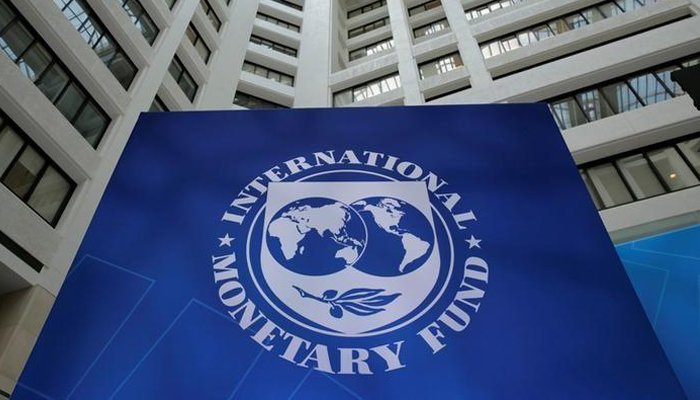
In recent years, Nigeria has increasingly relied on loans from international financial institutions like the International Monetary Fund (IMF) to manage its fiscal challenges. With dwindling revenues from crude oil, the country’s primary source of income, the federal government has turned to external borrowing to fund budget deficits, stimulate the economy, and finance critical infrastructure projects. However, this borrowing spree has raised significant concerns about the long-term sustainability of the country’s debt and its broader economic implications.
One of the primary reasons for Nigeria’s reliance on IMF loans is the persistent fiscal imbalance caused by declining oil revenues. Oil accounts for over 90% of Nigeria’s export earnings, leaving the economy vulnerable to fluctuations in global oil prices. When prices plummeted during the COVID-19 pandemic and in subsequent years, Nigeria’s revenue base suffered a severe blow. The federal government sought IMF loans to cushion the impact of this revenue shortfall, finance health interventions, and maintain economic stability. While these loans provided immediate relief, they have come with strict conditions and a growing debt burden.
IMF loans often come with stringent policy prescriptions, such as subsidy removal, exchange rate reforms, and austerity measures, which can have mixed effects on the economy. For instance, the removal of fuel subsidies, a common IMF recommendation, has led to significant increases in the cost of living for Nigerians. Similarly, exchange rate reforms aimed at unifying the naira’s multiple exchange rates have caused inflationary pressures, eroding household incomes. While these reforms are intended to improve fiscal discipline and economic efficiency, their short-term impact has been particularly harsh on the most vulnerable segments of the population.
Nigeria’s rising debt profile is another area of concern. According to recent statistics, the country’s external debt has ballooned, with a significant portion owed to multilateral creditors like the IMF and World Bank. Servicing this debt has become increasingly burdensome, consuming a substantial portion of government revenue. Critics argue that this debt overhang could crowd out spending on essential services such as education, healthcare, and infrastructure, further deepening economic inequality. Additionally, overdependence on external borrowing undermines the country’s fiscal sovereignty, leaving critical economic decisions subject to the influence of international creditors.
Moreover, the long-term economic implications of IMF loans cannot be overlooked. While these loans provide short-term relief, they often fail to address structural economic issues such as over-reliance on oil, low productivity in non-oil sectors, and a weak tax base. Without a clear strategy for diversifying the economy and boosting domestic revenue, Nigeria risks falling into a cycle of perpetual borrowing, where loans are used to service existing debt rather than drive sustainable development.
In conclusion, while IMF loans have provided Nigeria with critical financial support during times of economic crisis, they come with significant trade-offs. The federal government must strike a balance between addressing immediate fiscal challenges and implementing long-term reforms to reduce dependency on external borrowing. This requires prudent fiscal management, aggressive diversification of the economy, and strengthening of domestic revenue sources. Failure to address these issues could have dire consequences for Nigeria’s economic stability and future generations.
Bukar Muti, student of Mass communication department Borno state University