
Breaking News
Reno Omokri Criticises Atiku’s Border Reopening, Fuel Subsidy Plans
Omokri says combining fuel subsidy with full reopening of Nigeria’s land borders could trigger massive petroleum smuggling and worsen insecurity.

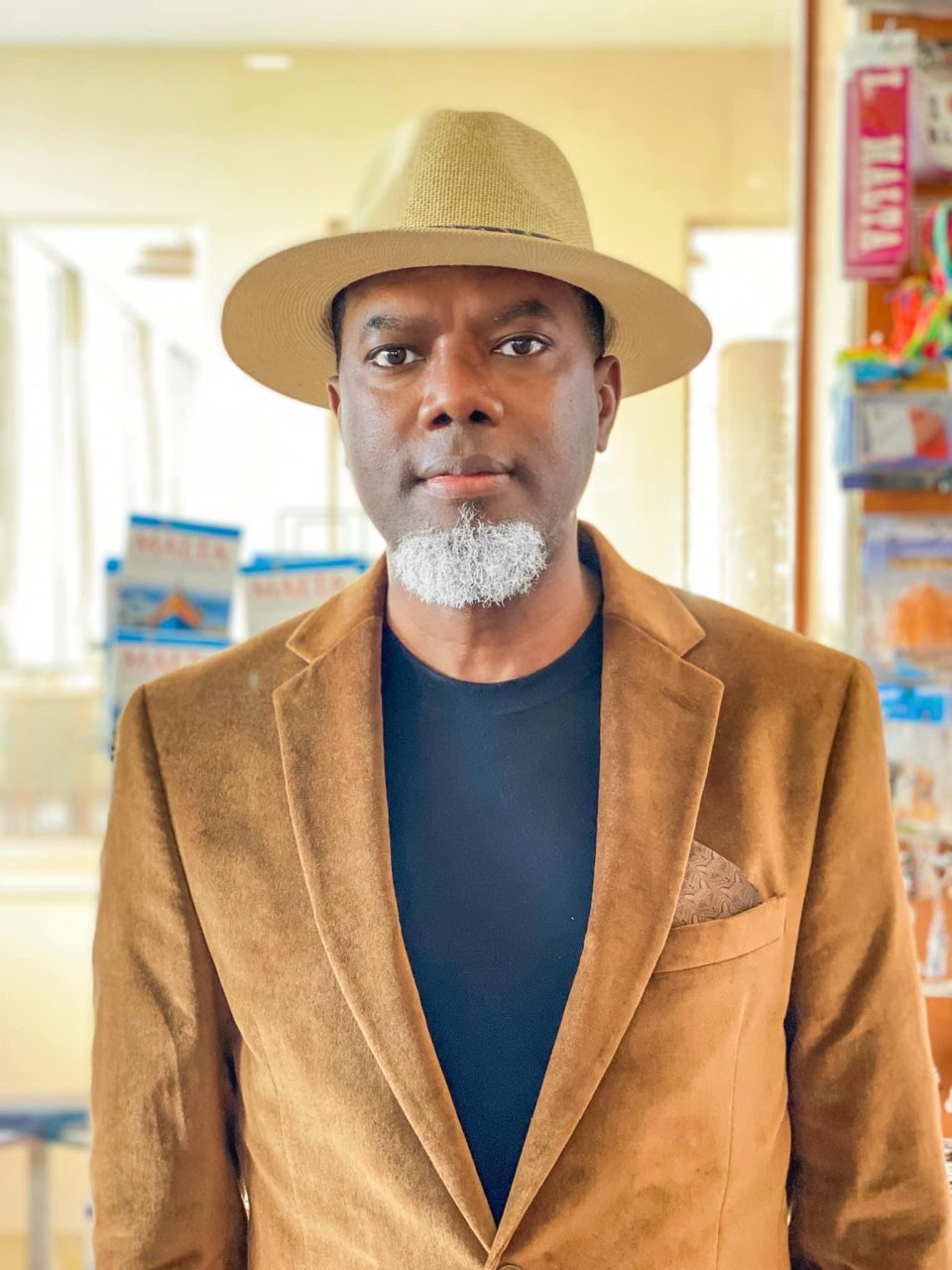
Reno Omokri, Ambassador-Designate to Mexico, Honduras, Guatemala and Nicaragua, has criticised former Vice President Atiku Abubakar’s plans to reopen Nigeria’s land borders fully and reintroduce fuel subsidy if elected president in 2027.
Omokri warned that pursuing the two policies at the same time could encourage large-scale smuggling of petroleum products and expose the country to greater security risks.
His comments followed Atiku’s recent pledge to reopen Nigeria’s land borders, which the ADC presidential candidate said would help restore transborder trade and create economic opportunities for Nigerians.
Atiku made the pledge in a video shared on Friday by ADC chieftain Dele Momodu. He argued that restrictions on the borders had hurt businesses and contributed to unemployment, especially among young Nigerians who relied on cross-border commerce.
According to the former Vice President, several young people who once operated businesses with significant capital had been pushed out of business by the closure and restrictions affecting some land borders.
“So I said I am going to reopen the borders and I will,” Atiku said.
Atiku has also expressed his intention to restore fuel subsidy if elected.
However, Omokri said implementing both measures together could have serious economic and security consequences.
In his statement on Friday, he said the combination would “unleash the greatest ever smuggling of petroleum products from Nigeria to neighbouring nations.”
Omokri cited the previous period when Nigeria had full fuel subsidy and open borders, claiming that “25 million litres per day of a total subsidised quota of 66.1 million litres per day were smuggled out of Nigeria.”
He also said rice and poultry products imported through neighbouring countries were smuggled into Nigeria during the period.
“If you reintroduce fuel subsidy and simultaneously reopen all of Nigeria’s land borders, what you are doing is unleashing the greatest ever smuggling of petroleum products from Nigeria to neighbouring nations,” Omokri stated.
He said the consequences included depletion of Nigeria’s foreign reserves, pressure on the naira and severe difficulties for local rice and poultry producers competing with smuggled products.
“Please fact-check me,” Omokri added, citing claims by the Rice Processors Association of Nigeria (RIPAN) that, as of 2026, rice smuggling had contributed to 90 of Nigeria’s 150 industrial-scale rice mills going out of business, while those still operating were working below capacity.
He also cited the Poultry Association of Nigeria as reporting that Nigeria loses $2 billion annually to poultry smuggling.
Omokri further raised concerns about national security, warning that completely reopening the borders before adequately securing them could make it easier for terrorists and bandits to move light weapons and ammunition into Nigeria.
“But, even more than that, when you open Nigeria’s borders without restrictions, as has been proposed, you give terrorists and bandits a leeway to flood Nigeria with light weapons and ammunition, because the borders will be overwhelmed and our customs and immigration officials will be overstretched,” he said.
“Again, I urge us all to think things through. Elections will come and go, but Nigeria remains.”
The former aide noted that President Bola Tinubu had already ordered the reopening of Nigeria’s land borders with Niger Republic through specific routes on March 13, 2024. He also noted that Tinubu ordered the reopening of the Tsamiya border in Kebbi State on February 6, 2026.
Omokri also referenced the President’s plans to expand Nigeria’s military. He said the Nigerian Army would increase from eight to 12 divisions, with the four additional divisions expected to add 28,000 personnel.
He further said the President plans to recruit between 2,000 and 5,000 forest guards in each state, depending on the state’s landmass.
According to Omokri, the government should first deploy enough personnel to secure the country’s porous borders before reopening all of them.
“Once we have the personnel needed to secure our porous borders, we will eventually reopen all of them,” he said.
“But to reopen all borders without first securing them is to put Nigeria’s security and her economy at risk and portends great danger for Nigerian citizens.”
Africans Angle News

















You must be logged in to post a comment Login