
Forgotten Dairies
Black Quarter: The Hidden Livestock Threat That Demands Greater Attention -By Dr. Moris Umoru
Although black quarter is not a major zoonotic disease, responsible management of affected animals remains important for occupational safety, food hygiene, and environmental protection. More importantly, its devastating impact on livestock reminds us that prevention must remain at the heart of veterinary practice.

When a Healthy Animal Suddenly Dies
Few experiences are more devastating to a livestock farmer than discovering that a seemingly healthy animal has died without warning. In some cases, the cause may be black quarter, also known as blackleg, a rapidly progressing disease capable of killing valuable livestock within a very short period.
For farmers whose livelihoods depend on cattle, such losses are not simply veterinary statistics. Each dead animal may represent lost income, breeding potential, food, savings, and years of investment. This makes black quarter an important livestock health concern with wider implications for food security and rural economic stability.
Why Black Quarter Remains a Serious Concern
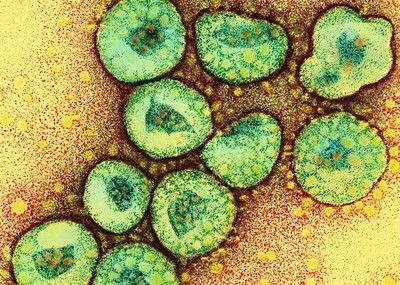
Black quarter is primarily caused by Clostridium chauvoei, a spore forming bacterium that can survive in soil and remain a source of infection for susceptible animals. The disease is particularly important in cattle, especially young, rapidly growing animals, although other ruminants may also be affected.
Its greatest danger lies in its speed. An animal may appear normal and subsequently develop severe illness, muscle damage, and death within a short period. Consequently, relying on treatment after clinical signs become advanced may produce disappointing results. Prevention and preparedness are therefore central to effective control.
How Environmental Conditions Contribute
The persistence of C. chauvoei spores in the environment makes disease control challenging. Contaminated soil and pasture can remain potential sources of infection for extended periods, allowing the disease to reappear even after a farm has experienced a period without cases.
Animal management can also influence the risk. Poor nutrition, stress, injuries, overcrowding, and unhygienic procedures may increase susceptibility. In sheep, wounds associated with management practices can provide opportunities for infection.
The movement of animals between farms, grazing areas, and markets can further complicate control, particularly when vaccination coverage is inadequate. These factors demonstrate why black quarter cannot be controlled effectively through medication alone.
The Human and Economic Dimension
The immediate impact of black quarter is usually felt by livestock owners. The sudden death of young cattle can reduce herd growth and eliminate animals that would otherwise have contributed to future breeding and production.
For smallholder farmers, these losses can be particularly severe. Livestock often serve as household assets and financial reserves. Losing several animals during an outbreak can therefore affect a family’s ability to pay for food, education, healthcare, or other essential needs.
At a broader level, widespread livestock mortality can contribute to reduced availability of animal protein and increased economic pressure on communities dependent on livestock production. Disease prevention is consequently an important component of protecting food systems and rural livelihoods.
A Balanced Public Health Perspective
Black quarter should be discussed carefully in relation to human health. It is primarily a disease of animals and is not considered a significant zoonotic disease. Human infection with Clostridium chauvoei is extremely uncommon, although rare cases have been reported.
This does not mean that people handling affected animals should ignore basic safety precautions. Farmers, veterinarians, animal health workers, slaughterhouse personnel, and others who handle sick animals or carcasses should practice good occupational hygiene and use appropriate protective measures.
Food safety is also important. Animals that die suddenly from suspected infectious disease should never automatically be slaughtered and sold for consumption. Proper veterinary assessment and appropriate carcass disposal help protect consumers and prevent further environmental contamination.
Recognizing the Warning Signs
The disease can begin with relatively nonspecific signs such as fever, depression, reduced appetite, lameness, and reluctance to move. As infection progresses, painful swellings may develop in large muscle groups, including the limbs, shoulder, hip, or other muscular regions.
These swellings may become firm and may contain gas, producing a characteristic crackling sensation when touched. Severe systemic illness can follow, and death may occur rapidly.
However, not every case will present in the same way. In some outbreaks, sudden death may be the first indication that something is wrong. For this reason, unexplained deaths should always be reported promptly to a veterinary professional rather than being treated as isolated incidents.
Prevention Must Come Before Crisis
When dealing with a rapidly fatal disease such as black quarter, prevention is far more effective than waiting for clinical disease to appear. Vaccination is one of the most important tools for protecting susceptible livestock, particularly in areas where the disease is known to occur.
Nevertheless, vaccination should be incorporated into a wider herd-health program. Farmers should maintain proper nutrition, reduce avoidable stress, provide appropriate animal management, and ensure that procedures involving wounds are performed hygienically.
Good farm records can also make a difference. Maintaining accurate vaccination and animal-health records enables farmers and veterinarians to identify gaps in protection and respond more effectively when disease occurs.
The Role of Veterinarians in Disease Prevention
Veterinarians are essential to the prevention, early recognition, and control of black quarter. Their responsibilities include disease investigation, vaccination planning, herd-health management, farmer education, outbreak response, and guidance on carcass disposal.
Equally important is the veterinarian’s role in translating scientific knowledge into practical advice. Farmers need clear information on what signs to watch for, when to report suspected cases, how to prevent disease, and why vaccination should be maintained even when the herd appears healthy.
Strong communication between livestock owners and veterinary professionals can transform disease control from a reactive process into a preventive one.
Building More Resilient Livestock Systems
Controlling black quarter requires sustained investment in veterinary services, vaccination programs, disease surveillance, farmer education, and laboratory capacity. These measures are particularly important in rural communities where livestock may constitute a major source of household income.
Farmers should be encouraged to report sudden deaths immediately and avoid opening, moving, or consuming carcasses from animals suspected of infectious disease without professional guidance.
Government agencies, veterinary authorities, researchers, and livestock organizations also have a responsibility to improve access to reliable vaccines and strengthen community-based disease awareness. Prevention becomes much more effective when farmers have both the knowledge and the resources needed to act.
Conclusion: Protecting Livestock, Protecting Livelihoods
Black quarter may appear to be a problem confined to the farm, but its consequences can reach much further. Every preventable livestock death represents a potential loss of income, food, breeding capacity, and economic security for a farming household.
Although black quarter is not a major zoonotic disease, responsible management of affected animals remains important for occupational safety, food hygiene, and environmental protection. More importantly, its devastating impact on livestock reminds us that prevention must remain at the heart of veterinary practice.
A disease that can take an animal’s life within hours should never be met with preparation that begins tomorrow. In livestock health, prevention today is the foundation of food security and stronger communities tomorrow.
DR UMORU MORIS (DVM).























You must be logged in to post a comment Login