
National Issues
The Kano Case: Understanding the Roles of DSS vs. Police in Nigeria, by John Egbeazien Oshodi

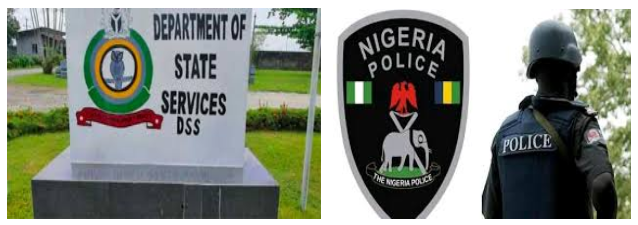
According to Nigerian media reports, a 17-year-old girl and her sponsor are currently in the custody of the Department of State Services (DSS) in Kano for the abduction and trafficking of a four-year-old girl named Aisha, who was taken from Nguru in Yobe State to Kano. The DSS, in collaboration with the Kano State Hisbah Board, successfully rescued Aisha, ensuring her safety under their care. While the efforts of the Hisbah—colloquially known as the Islamic or Muslim police in some parts of Nigeria—are commendable for locating and handing over the child, such domestic matters traditionally fall under the jurisdiction of the local police. The Hisbah should have transported Aisha to a local police station, as this aligns with the police’s responsibilities. It is unusual and inappropriate for the DSS to handle such cases directly; instead, the child should have been immediately transferred to the police. The DSS also has an obligation to inform the media that the local police are responsible for the ongoing investigation and follow-up, ensuring proper adherence to procedural boundaries and jurisdictional roles.
This situation underscores the critical need for clarity regarding the distinct roles and responsibilities of the Department of State Services (DSS) and the Nigeria Police Force (NPF). The DSS is primarily focused on national security and intelligence, tasked with gathering and analyzing intelligence on threats such as terrorism, espionage, and organized crime networks. They also provide protection for high-level government officials and manage national security issues that have broader implications. In contrast, the NPF is responsible for maintaining public order, preventing and investigating local crimes, and enforcing laws within communities. They handle a wide range of criminal matters, including theft, assault, and domestic disputes, and are equipped to manage day-to-day law enforcement tasks. The DSS’s specialized focus on strategic, national security matters should not overlap with the NPF’s role in addressing local and community-based issues. Ensuring that each agency operates within its designated jurisdiction helps to prevent confusion, enhance efficiency, and ensure accountability. Educating all involved—especially the DSS and Hisbah—on these distinctions is crucial to avoid interference in local police duties and to promote effective collaboration between agencies, ultimately leading to a more organized and effective law enforcement system.
The involvement of both a 17-year-old and a four-year-old in this case underscores significant issues related to juvenile justice and child protection. The 17-year-old, being a minor, complicates the legal and social handling of the case, as juvenile offenders require a specialized approach that considers their developmental stage, psychological state, and potential for rehabilitation. Juvenile justice systems are designed to address such complexities, recognizing that adolescents have different cognitive and emotional capacities compared to adults. Conversely, the four-year-old victim is extremely vulnerable and needs careful handling to ensure their safety and well-being, with interventions tailored to their developmental stage.
The Department of State Services (DSS), while essential for national security, may lack the specialized training and family services or programs needed for effective intervention with juvenile offenders and victims. In contrast, local police, who are trained to manage juvenile cases, are better equipped to provide the necessary legal proceedings, interventions, and rehabilitative measures. They can work within the established juvenile justice system to ensure that both the young abductor and the young victim receive appropriate support and care. This specialized handling is crucial for addressing underlying issues, providing suitable rehabilitation, and preventing future offenses, while ensuring the safety and well-being of the vulnerable young individuals involved.
In the case of Aisha’s abduction, the initial involvement of the DSS might be justified due to potential links to a larger child trafficking network, which could fall under their mandate. However, once the immediate threat is neutralized, the ongoing investigation and prosecution should be the responsibility of the local police, who are equipped to handle such domestic issues. The DSS should have promptly communicated to the media that the police would take over the case, ensuring clarity and proper adherence to their respective roles. This would have demonstrated a commitment to proper protocol and respect for the jurisdiction of the local police.
According to a reliable source within the Kano office of the DSS, officials from the State Hisbah Board handed over Aisha to the DSS after suspecting that the child had no connection to her supposed guardian. The DSS explained that after taking custody of Aisha and the 17-year-old abductor, they managed to track down the mastermind behind a network trafficking stolen children from Yobe to various parts of Nigeria. In a related development, the DSS revealed that they had arrested the kingpin responsible for abducting children from neighboring states and transporting them to Kano and other southern regions, where the children would then disappear. During interrogation, the 17-year-old girl disclosed that she was introduced to child abduction and trafficking by her sponsor, whom she met while selling groundnuts in her neighborhood. The sponsor, whose identity has not been disclosed, assured the girl that she would face no consequences for her involvement in the illicit activities. Here, the Hisbah and the DSS should have ensured that the local police were brought in immediately to handle the investigation, maintaining the proper chain of responsibility.
The DSS and Hisbah play vital roles in Nigerian society, and their efforts in rescuing Aisha and apprehending suspects should be acknowledged and praised. However, it is crucial to educate these agencies about the importance of adhering to their designated functions and avoiding interference with the responsibilities of the local police. The Hisbah, while performing commendable work in community and moral policing, should not substitute for the local police in handling criminal cases, particularly those involving juveniles. Similarly, the DSS, focused on national security and intelligence, should recognize the limits of their jurisdiction in domestic criminal investigations.
By respecting the established roles and boundaries, and ensuring that the local police handle cases such as these, all agencies involved can work together more effectively. This collaboration ensures that both young offenders and victims receive appropriate legal and rehabilitative support, enhancing the overall effectiveness of the justice system. Educating the DSS and Hisbah about these distinctions not only promotes better practices but also reinforces the importance of each agency’s role in maintaining justice and order within Nigeria.

Professor John Egbeazien Oshodi, born in Uromi, Edo State, Nigeria, is an American-based police and prison scientist, forensic psychologist, public policy psychologist, and legal psychologist. He’s a government advisor on forensic-clinical psychological services in the USA and the founder of the Dr. John Egbeazien Oshodi Foundation for Psychological Health. With a significant role in introducing forensic psychology to Nigeria through N.U.C. and Nasarawa State University, he’s also a former Secretary-General of the Nigeria Psychological Association. He’s taught at esteemed institutions like Florida Memorial University, Florida International University, Nova Southeastern University, and more, and is currently an online faculty member at Weldios University, Nexus International University, and Walden University.























You must be logged in to post a comment Login