
Africa
The Silent Crisis: How Improper Waste Disposal Is Undermining Nigeria’s Future -By Tobore Stephanie Eremutha
To solve this crisis, Nigeria must adopt a holistic, multi-stakeholder strategy that integrates policy reform, infrastructure investment, behavioural change, and appropriate technology. Stronger legislation should mandate waste segregation at source and enforce Extended Producer Responsibility (EPR), requiring manufacturers to manage their products’ end-of-life impact. Countries like South Africa and India have shown that EPR can reduce packaging and electronic waste if adapted properly. Infrastructure must be context-sensitive.

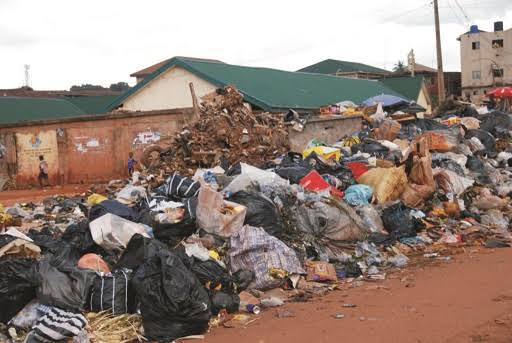
Nigeria’s waste management crisis is an underprioritized but escalating challenge. With over 32 million tons of solid waste generated annually, this figure is set to rise with rapid urbanization and population growth, particularly when less than 30% is collected through formal systems. The remaining waste clogs streets, drains, and water bodies, creating a complex web of public health risks, environmental degradation, and economic losses that undermine Nigeria’s sustainable development goals (SDGs).
Cities like Lagos, Kano, Port Harcourt and the Federal Capital Territory are overwhelmed by uncollected waste, which blocks drains and causes frequent flooding during the rainy season. In rural areas, lack of proper systems forces residents to dump waste in bushes or burn it, releasing toxic pollutants into the air and leaching harmful substances into the soil and water. These actions severely affect both the environment and public health. Blocked drains serve as breeding grounds for malaria-carrying mosquitoes, while piles of organic waste attract disease-spreading rodents. Poor communities, where children often play near dump, suffer from illnesses such as diarrhoea, skin infections, and respiratory problems. The COVID-19 pandemic worsened the situation, overwhelming the fragile waste systems with excess medical waste. Meanwhile, the influx of electronic waste from developed countries such as discarded computers and phones adds another dimension to the crisis. In informal recycling hubs in Lagos and Abuja, workers, including children, are exposed to lead, mercury, and cadmium without any protection, risking long-term health conditions such as neurological disorders and cancer.
Environmental consequences are equally alarming. With an estimated 2.5 million tons of plastic waste generated yearly, water bodies are choked with plastic that endangers aquatic life and enters the human food chain. In the Niger Delta, already plagued by oil spills, plastic pollution further damages fragile ecosystems. Decomposing organic waste in open dumps releases methane, a greenhouse gas 25 times more potent than CO₂, contributing significantly to climate change. These dumpsites often ignite spontaneously, releasing smoke laced with dioxins and other persistent organic pollutants that travel far and accumulate in food chains. Soil and groundwater contamination from leachate add to the crisis, particularly in peri-urban areas where residents depend on wells for drinking water, often unaware of the toxins until diseases emerge.
Economically, the crisis imposes hidden costs. The 2022 floods, which worsened by clogged drainage systems, displaced over 1.4 million people and resulted in massive property damage. Rebuilding and recovery strain public finances, while families grapple with health costs from preventable diseases like malaria and respiratory infections. According to the World Health Organization, poor waste management contributes to nearly 25% of Nigeria’s disease burden. Yet, the waste sector presents untapped economic potential. Recycling, composting, and formal waste collection could create thousands of jobs. The informal waste-picking economy, although already employing many urban poor, remains hazardous and poorly compensated. By formalizing it through organized waste systems and public-private partnerships, the sector could provide safer, decent employment and reduce the country’s waste burden.
Several factors contribute to this persistent failure. Urban growth has outpaced infrastructure, leaving cities without adequate landfills, transfer stations, or recycling plants. Where such facilities exist, they are poorly managed and sited dangerously close to residential areas. Institutional fragmentation further complicates the issue. The National Environmental Standards and Regulations Enforcement Agency (NESREA) sets national policies, but implementation lies with state and local governments, many of which lack technical capacity, coordination, and funding. The result is confusion and inefficiency. Compounding this are public attitudes shaped by decades of failed services. Citizens often resort to indiscriminate dumping, and even educated elites resist having waste infrastructure near their homes. Limited private sector involvement is another barrier. Many investors are discouraged by inconsistent regulations, lack of payment enforcement, and challenges in accessing financing. Although Lagos has made strides with public-private participation, most states lack the policy environment to attract serious investment.
To solve this crisis, Nigeria must adopt a holistic, multi-stakeholder strategy that integrates policy reform, infrastructure investment, behavioural change, and appropriate technology. Stronger legislation should mandate waste segregation at source and enforce Extended Producer Responsibility (EPR), requiring manufacturers to manage their products’ end-of-life impact. Countries like South Africa and India have shown that EPR can reduce packaging and electronic waste if adapted properly. Infrastructure must be context-sensitive. While large cities need material recovery and waste-to-energy plants, medium cities can benefit from integrated recycling-composting-landfill facilities, and smaller towns from community-led collection using low-cost methods. Technological innovations—ranging from biodigesters for organic waste to pedal-powered collection vehicles, should be supported where feasible. Mobile apps can connect households with waste collectors and recyclers to increase efficiency and create jobs.
Behavioural change is equally crucial. Public education campaigns in schools, markets, and religious institutions can reshape public attitudes. Reward systems for recycling, mobile reporting platforms for illegal dumping, and real-time monitoring tools can promote accountability and engagement. Ultimately, change must be driven by political will, institutional reform, and grassroots action. Nigeria has the tools, technologies, and case studies from around the world to transform its waste sector. What it needs is the commitment to prioritize waste management as a national development issue and the courage to act decisively. Delays will only worsen health risks, deepen environmental damage, and increase economic losses. By addressing its waste crisis, Nigeria can protect its people, preserve its environment, and make meaningful progress toward the SDGs.
Stephanie is a public health professional and can be reached via email: teremutha@gmail.com




























You must be logged in to post a comment Login