
Africa
Time for Africa to Abandon the Outdated Bodyguard Culture and Embrace Modern Security Measures, by John Egbeazien Oshodi

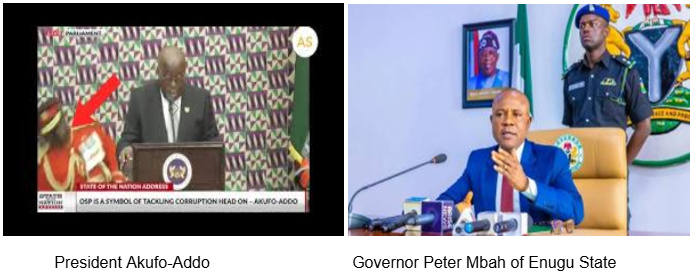
The unexpected collapse of Colonel Isaac Amponsah, the Aide-de-Camp (ADC) to Ghanaian President Nana Addo Dankwa Akufo-Addo, during the President’s final State of the Nation Address in Parliament, has sparked conversations across the continent. While the immediate concern was for the officer’s well-being, this incident also serves as a wake-up call for Africa to reevaluate its traditional security practices. The outdated practice of having personal bodyguards standing directly behind high-ranking officials is not only a relic of colonialism but also a symbol of authoritarianism that no longer aligns with the democratic ideals many African nations strive to uphold.
The Incident: A Somber Moment in Ghana’s History
The incident occurred shortly after President Akufo-Addo began his speech, highlighting his administration’s achievements and future plans for Ghana. Colonel Amponsah, a long-serving and trusted ADC, suddenly lost consciousness and fell to the ground. The collapse caused momentary panic in the chamber as Parliament’s medical team rushed to provide first aid. The officer was then transported to a nearby medical facility for further evaluation. President Akufo-Addo paused his address briefly to ensure that his aide received proper care before resuming his speech.
While updates on Colonel Amponsah’s condition remain undisclosed, the incident cast a somber tone over what was meant to be a significant milestone in Akufo-Addo’s presidency. The moment highlighted the immense pressure and physical toll on security personnel tasked with protecting high-ranking officials.
Outdated Practices in Modern Times
The tradition of having a bodyguard standing directly behind a president while delivering speeches is a practice rooted in colonial history. It is a visual symbol of power and control, often associated with authoritarian regimes. In contrast, modern democratic societies such as the United States, the United Kingdom, France, Germany, Australia, and Canada have moved away from this visible security presence. Instead, security personnel are discreetly positioned at a distance, ensuring both the safety of the leader and the accessibility of their public image.
The recent incident in Ghana’s Parliament underscores the need to reconsider this tradition. In many African countries, the presence of uniformed bodyguards surrounding government officials often evokes fear rather than confidence among citizens. It reinforces social hierarchies and perpetuates the notion that leaders are above the law, untouchable by ordinary citizens.
Security and Perception: Striking the Right Balance
Modern security measures prioritize subtlety and efficiency. Advanced security systems such as surveillance cameras, access control mechanisms, and well-trained undercover personnel provide effective protection without the intimidating presence of bodyguards. This approach not only enhances security but also promotes a more approachable and relatable image of leadership.
In contrast, the visible entourage of bodyguards often seen in African countries perpetuates a culture of elitism. High-ranking officials are accompanied by police escorts, creating an intimidating atmosphere that alienates the populace. This practice also diverts valuable police resources from their core duties of maintaining law and order to serving as personal security for politicians.
Health and Well-Being of Security Personnel
The collapse of Colonel Amponsah also raises questions about the working conditions and well-being of security personnel. These individuals often endure long hours, extreme stress, and inadequate care while ensuring the safety of their principals. The contrast between the luxurious lifestyles of the leaders they protect and their own challenging working conditions is stark.
Presidents and high-ranking officials receive top-notch care, from nutritionists and chefs to tailored suits and comfortable accommodations. In contrast, their security aides may struggle to access basic necessities, including adequate meals and rest. This disparity highlights the need to prioritize the welfare of those tasked with safeguarding the nation’s leaders.
Moving Beyond the Colonial Legacy
The practice of having bodyguards standing behind high-ranking officials is a colonial relic that many African countries have inherited. Ironically, the countries that introduced these practices, such as the United Kingdom and France, have long abandoned them in favor of more modern security arrangements.
It is time for African nations to follow suit. Embracing contemporary security measures will not only enhance the safety of leaders but also promote a more democratic and inclusive image of governance. Leaders should be seen as accessible and accountable to their citizens, rather than isolated by visible symbols of power and privilege.
The Nigerian Bodyguard Spectacle: A Comic Perspective
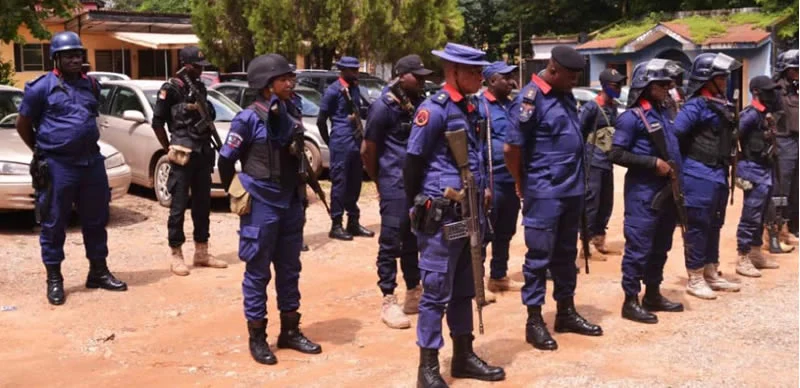
Nowhere is the bodyguard culture more entrenched — and sometimes downright comedic — than in Nigeria. In the country, it seems everyone who holds a government position, no matter how minor, is entitled to an entourage of security personnel. Governors, ministers, senators, and even their spouses often have police officers or military aides shadowing their every move.
In Nigeria, it’s not unusual to see the wives of security and law enforcement chiefs delivering speeches with a uniformed officer standing solemnly behind them. The Senate President? Of course, he has security guard. The Speaker of the House? No speech is complete without a stoic bodyguard standing a few feet away. Even local government chairmen sometimes arrive at public functions with a convoy of police escorts, as if they were heads of state.
The culture has permeated every level of government, creating a spectacle that would be amusing if it weren’t so wasteful. The sheer number of police officers diverted from their primary duties to serve as personal escorts for officials contributes to the country’s ongoing security challenges. Critics argue that this visible show of power reinforces social hierarchies and creates a disconnect between leaders and the people they serve.
In one particularly memorable incident, a minister’s aide, standing diligently behind his principal, was caught on camera struggling to stay awake during a long speech. The image went viral on social media, with many Nigerians joking that even the bodyguards are bored by the endless rhetoric.
The Psychological Impact of Visible Security
From a psychological perspective, the visible presence of bodyguards can have unintended consequences. It can create a perception of fear and intimidation, undermining the democratic values of transparency and accountability. Citizens may feel disconnected from their leaders, perceiving them as aloof and out of touch with everyday realities.
Furthermore, the reliance on visible security measures can signal a lack of trust in the citizenry. It suggests that leaders feel threatened by their own people, which can erode public confidence in governance. In contrast, more discreet security arrangements foster an atmosphere of trust and mutual respect.
A Call for Change
African leaders must reconsider their approach to security by moving away from outdated practices rooted in colonial history and embracing modern measures that balance safety with democratic ideals. This shift requires investing in advanced surveillance and access control technologies that ensure officials’ protection without creating intimidating spectacles. Equally essential is the need to prioritize the welfare of security personnel by offering adequate care, training, and support to prevent physical and mental burnout. Leaders must also promote transparency by adopting security arrangements that allow for genuine engagement with the public while steering clear of isolation or authoritarian perceptions. Finally, public education about the importance of modern security approaches can help reshape societal expectations, fostering trust and mutual respect. By embracing these measures, African nations can achieve enhanced security and strengthen the democratic bond between leaders and the citizens they serve. Through these steps, African nations can enhance security and strengthen the democratic bond between officials and the people they serve.
The incident involving Colonel Isaac Amponsah serves as a poignant reminder that Africa’s security practices need to evolve. The tradition of having bodyguards standing behind high-ranking officials is a relic of the past that no longer aligns with the values of modern democratic societies. By adopting more subtle and effective security measures, African leaders can promote a culture of accessibility, accountability, and trust. This change will not only enhance security but also strengthen the bond between leaders and their citizens, paving the way for a more inclusive and participatory democracy.

Professor John Egbeazien Oshodi is an American psychologist, educator, and author, known for his expertise in cross-cultural psychology, forensic/clinical psychology, police and prison science, and social justice. Born in Uromi, Edo State, Nigeria, he is the son of a father who served in the Nigeria Police Force for 37 years.
Professor Oshodi has made significant contributions to forensic psychology, notably introducing it into Nigeria in 2011 through the National Universities Commission (NUC) and at Nasarawa State University. His academic career spans several institutions, including Florida Memorial University, Florida International University, Broward College, and Nova Southeastern University.
He currently serves as a government consultant for forensic-clinical psychological services in the USA, while practicing as a clinical and forensic psychologist. He also holds virtual faculty roles at Walden University, Weldios University, and ISCOM University.
In addition to his academic and professional work, Professor Oshodi has authored numerous publications and public opinion pieces on African governance challenges. He is the founder of the Psychoafricalysis theory in psychology, which has contributed to the field’s development.
Professor Oshodi’s work continues to inspire scholars and practitioners worldwide. He is a former Secretary-General of the Nigeria Psychological Association (NPA), and his contributions have had a lasting impact on both psychology and social justice discourse in Africa.

























You must be logged in to post a comment Login