
National Issues
Tinubu-Led Administration’s Inadequacies Exposed by Protest Disruption Tactics, by Abiodun Salako

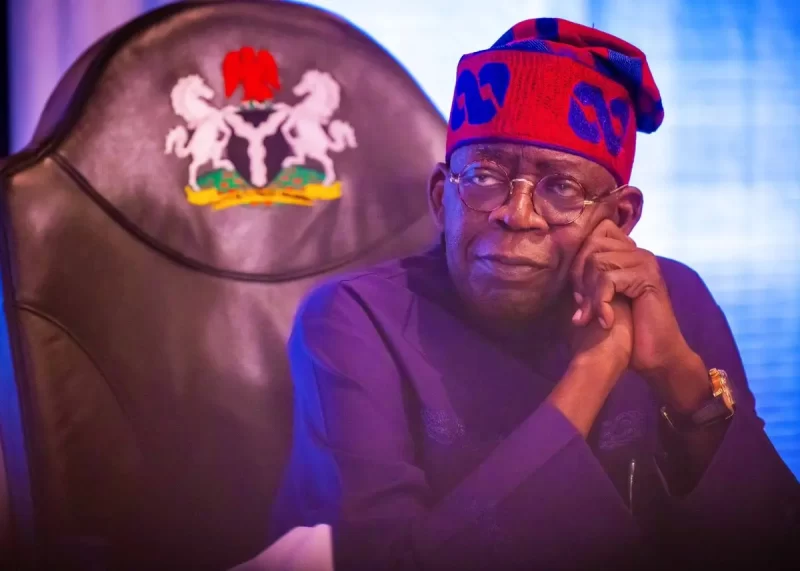
On August 1, Nigeria will witness the start of a nationwide #EndBadGovernance protest driven by deep-rooted discontent over government policies, high inflation, and widespread economic hardship. These demonstrations are a response to a crisis that has seen inflation rates soar, job losses skyrocket, and the average Nigerian struggling to make ends meet. However, the government’s distasteful strategy of gaslighting its people, dissuading them from protesting clearly reveal its characteristic failure to tackle the core issues and undermines democratic principles. There have also been counter-protests sponsored by unknown stakeholders to disrupt upcoming demonstrations.
Recent data from the National Bureau of Statistics (NBS) depict a bleak image of Nigeria’s economic struggle. The inflation rate, currently at 34.19 percent – the highest in 28 years – has wrecked purchasing power and driven basic necessities out of reach for millions of Nigerians.
Food prices in June shot up to 40.9%, worsening the plight of millions who already grapple with inadequate income.
This economic strain is complicated by rising unemployment rates, with job losses affecting a significant portion of the workforce, further deepening poverty and despair. This month, the Director-General of Nigeria Employers’ Consultative Association (NECA) Adewale Oyerinde revealed that more than 15 organisations, with a combined value-chain staff strength of over 20,000 employees, have either divested or partially closed operations.
In response to the 10-day protest, there have been orchestrated counter-protests — seen in Abuja, Bayelsa and Lagos — by individuals and groups to undermine the upcoming demonstrations. There have also been gatherings against the protests across party, religious and even tribal lines. These tactics undermine the legitimacy of the protests and also adds weight to the government’s unwillingness to truly engage with the genuine concerns of its citizens. These anti-protests across the country, fellow countrymen with banners calling on others not to protest is a despicable and ugly scene revealing the extent of certain stakeholders to weaken the power of their voices. What better tactic than to utilize the “people vs people” approach.
It was unpleasant to see the Department of State Services (DSS), in its press statement five days ago, shamefully call the severe economic conditions that Nigerians are experiencing “alleged.” This only implies that there is no proof to our suffering, discrediting our evident collective daily struggle to simply survive and thrive. Yet another typical example of gaslighting employed by Tinubu’s administration. If these terrible conditions aren’t true, why is the present administration trying so hard to stop the protests by suspending duties, tariffs, and taxes on the importation of maize, others through the country’s land and sea borders, for 150 days. The government has unleashed a series of “quick fix” initiatives including selling bags of rice for N40,000.
Moreover, it is alleged that some stakeholders have been pushing certain groups behind the scenes to hinder Nigerians from exercising their right by protesting. Some states in the north — Bauchi, Adamawa, Sokoto and Niger — have warned against the protest, even cautioning their members, who are first of all Nigerians before party members not to join the protest. Statements by senior government officials and security agencies regarding the protests seem to seek to instill fear in the hearts of citizens and strategically stop them from coming out en masse.
By attempting to stop or hinder dissent through such means, the government shows a troubling disregard for democratic norms and the right of citizens to peacefully assemble and voice their grievances. Critics of the protest movement argue that these demonstrations are disruptive and counterproductive, citing widespread destruction of public and private properties of the #EndSars protest. However, they overlook the fundamental purpose of such actions: to hold those in power accountable and to demand change when the established channels of political discourse have failed. Protests are a legitimate and historically effective means of expressing dissent and pushing for reform, especially when ordinary citizens face severe economic hardship.
If they fear the protests may be hijacked, the security authorities need to focus on preventing unscrupulous elements from taking control. The DSS has already claimed to have uncovered a plan by some criminal elements to hijack the protest and cause unrest in the country. It should fish them out before the protests commence. The police must ensure that protesters are safe in a peaceful environment and protected from individuals who aim to incite chaos or damage property. Their focus should be on maintaining security, not on intimidating or frightening people.
Furthermore, Nigeria has, for over four decades, eroded the social contract between the government and its people. Anyone can see it is in shambles and citizens are barely holding on. In a social contract, citizens willingly commit to obedience in exchange for their government’s promised protection and good governance. If the government fails to uphold their part of the agreement, the contract is broken, and allegiance vanishes.
The country’s major challenges stem from prolonged misgovernance: widespread injustice, misappropriation of public funds, and pervasive insecurity. With this, the social contract is out the window. The government needs to, as a matter of urgency, recommit to the social contract, prioritising good governance, uphold justice and integrity, and ensure the nation’s security. Thus, those unsavoury opponents of the protest should instead focus on addressing the root causes of discontent. Constructive engagement and genuine people-centred policy reforms are required to tackle inflation, job losses, and economic instability. The focus should be on creating viable solutions rather than suppressing the voices calling for change.
As Nigeria approaches this crucial protest day, it is essential to recognise the role of public dissent in a functioning democracy. Undermining or opposing these protests does nothing to resolve the underlying issues. Rather, it is through sincerely addressing these concerns head-on and engaging with the citizens’ grievances that meaningful progress can be made. No more quick fixes, false promises, detours and patches – Nigeria must work for Nigerians.
Abiodun Salako is a Journalist and former Editorial Assistant at UK–based Divinations Magazine. He can be reached on X @i_amseawater.



























You must be logged in to post a comment Login