Forgotten Dairies
When Fuel Prices Rise, Borno Feels the Pain -By Aliu loveth Boluwatife
The story of fuel price increase in Nigeria is often told in numbers and policies, but in Borno, it is about people. It is about the woman who cannot sell as much, the child who goes to bed hungry, and the community that keeps going despite everything.

When Fuel Prices Rise, Borno Feels the Pain
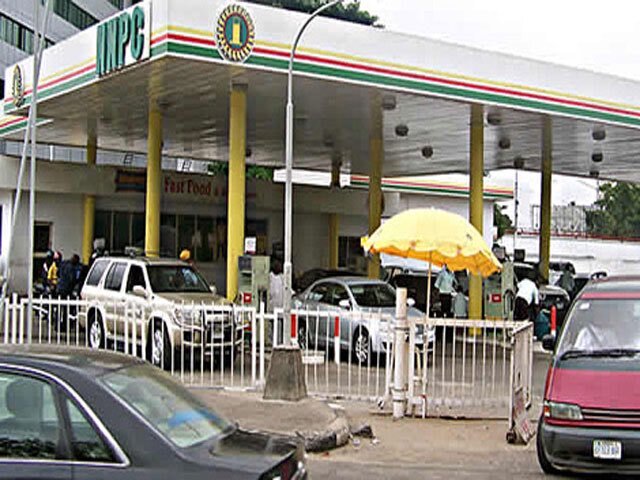
In Nigeria today, fuel is no longer just something people buy at a filling station it has become a daily burden. As prices continue to rise, many Nigerians are adjusting, cutting costs, and finding new ways to survive. But in Borno State, the story is heavier. Here, the increase in fuel price is not just an inconvenience; it is a struggle that touches every part of life.
In Borno State, a mother going to the market now thinks twice before stepping out because transport fares have doubled. A father who runs a small shop worries about how to power his generator, knowing each litre of fuel eats deeply into his profit. For farmers, moving food from rural areas to the city has become more expensive, and this cost is passed on to everyone. Food prices rise, and families are forced to eat less or settle for what they can afford.
Life was already difficult in Borno due to insecurity and displacement. Many people depend on aid to survive. But now, even the organizations trying to help are struggling. With high fuel costs, they cannot travel as often or reach as many communities as before. This means fewer supplies, less support, and more people left waiting.
The effect is also seen in small, quiet ways. A student may miss school because transport is too costly. A sick person may delay going to the hospital. A trader may close early to save fuel. These are everyday decisions, but they slowly shape a harder life.
What makes the situation more painful is that people in Borno are already trying their best. They are resilient, strong, and hopeful. Yet, the rising cost of fuel adds another weight to carry. It stretches patience, weakens businesses, and deepens poverty.
The story of fuel price increase in Nigeria is often told in numbers and policies, but in Borno, it is about people. It is about the woman who cannot sell as much, the child who goes to bed hungry, and the community that keeps going despite everything.
Aliu loveth Boluwatife
200 level
University of Maiduguri