Global Issues
Words That Shape the World: The Hidden Power of Language -By Tolulope Sobiye Ogunbowale
The government may say “fuel price adjustment” or “fuel subsidy removal,” making the increase sound necessary or less alarming. Many people may remain calm at first. However, calling it a “fuel price hike” immediately suggests hardship, causing stronger public anger, protests and fear about the rising cost of living.

Can you imagine waking up to a message on your phone claiming that a dangerous disease has spread across your community or that a bank has suddenly collapsed? Within minutes, thousands of people begin sharing the message without verifying the authenticity. Fear spreads, confusion grows, and people start making decisions based on false information. What caused the panic? It was not a weapon or a natural disaster, it was the power of words. This shows that language is more than a tool for communication. It shapes the way we think, feel and act. A speech can inspire hope, a headline can change opinions, and a social media post can reach millions of people within minutes. As the saying goes, “the pen is mightier than the sword.” In today’s digital world, our words have never been more powerful.
Public opinion simply means the ideas and beliefs that many people have about a person, an event, or an issue. These opinions are influenced by the words people hear from parents, teachers, religious leaders, politicians, journalists, celebrities, and social media users. If words had no influence, why would leaders carefully prepare their speeches before addressing the public?
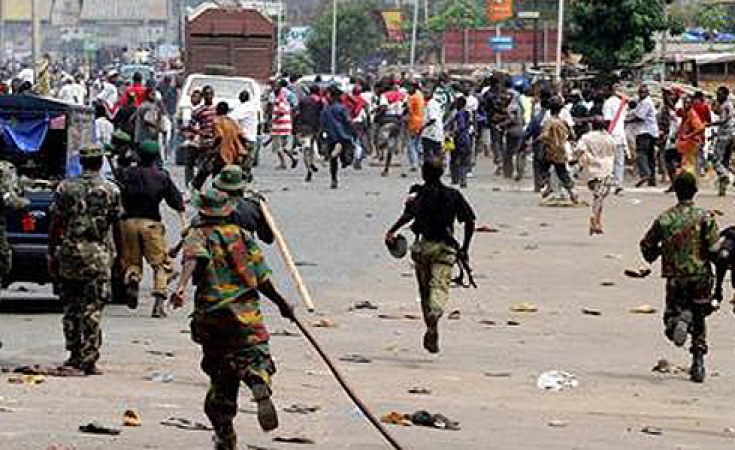
One way language shapes public opinion is through the way information is presented. The same event can be described differently. For example, one news report may call a group “peaceful protesters”, while another describes them as “violent demonstrators”. Although both reports discuss the same event, the choice of words creates different impressions. This proves that language does not simply report events; it also shapes the way people understand them.
Language is also a major key in persuasion. During election campaigns, politicians often use words such as hope, unity, development, and change to win support. Advertisers also choose attractive words to convince people to buy their products. Repeating the same message again and again can also influence what people believe. However, all that glitters is not gold. Not every attractive message is true. This is why people should ask questions such as: Who is speaking? What is the purpose of this message? Is there evidence to support it?
The media also plays a significant role in shaping public opinion. Television, newspapers, radio stations, and online platforms decide which stories people see and how those stories are reported. During the COVID-19 pandemic, health organisations repeatedly advised people to wash their hands, wear face masks and keep their distance. These simple messages helped many people stay safe. At the same time, false information about fake cures spread online and confused many others. This tells us that language can protect lives when it is truthful but it can also cause harm when it spreads lies.
Social media has made the influence of language even greater. Campaigns such as #EndSARS in Nigeria and #BlackLivesMatter in the United States brought global attention to important issues of justice and accountability. At the same time, rumours and fake news have spread rapidly because many people share messages without verifying them. Should we believe everything simply because it appears online? Certainly not.
The government may say “fuel price adjustment” or “fuel subsidy removal,” making the increase sound necessary or less alarming. Many people may remain calm at first. However, calling it a “fuel price hike” immediately suggests hardship, causing stronger public anger, protests and fear about the rising cost of living.
In all, we need to know that language is not neutral. It is one of the greatest gifts we have which can educate, encourage, unite and inspire. Sadly, it can also deceive, divide and destroy when used carelessly. The real question is not whether language shapes public opinion, it certainly does. The question is, what kind of opinions are we helping to build with our own words? Before we speak, write, or press the “share” button, let us remember that words leave lasting footprints. If we choose truth instead of falsehood, respect instead of insults, and wisdom instead of rumours, our words will build bridges instead of walls. After all, a better society begins with better conversations.