
Forgotten Dairies
2027 Presidential Election in Nigeria: Already Won and Lost! -By John Kokome
If the ruling establishment consolidates political alliances, improves governance performance, and maintains narrative dominance, it may enter the election with a significant advantage. On the other hand, if the opposition successfully unites, presents credible leadership, and channels public frustration into organised political action, the contest could become far more competitive than it currently appears.

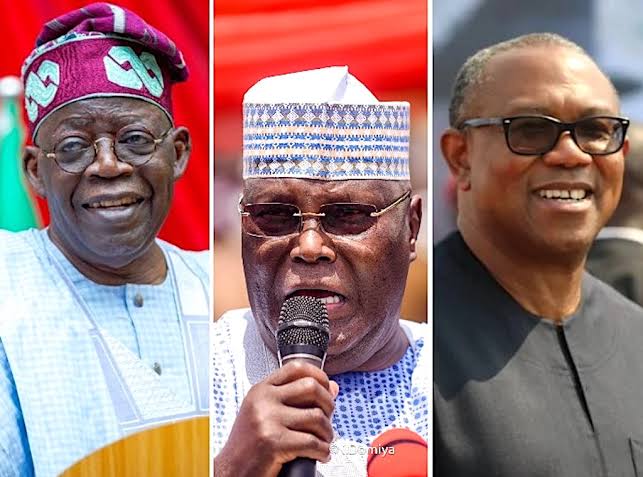
By the time Nigerians eventually walk to the polling units in 2027, many analysts may conclude that the election had already been decided years earlier. In Nigeria’s political reality, presidential elections are rarely won on Election Day; they are often won or lost in the quiet battles of perception, coalition-building, governance performance, and public trust that precede the vote.
The road to 2027 is already being paved today. Political actors, parties, and institutions are shaping narratives that could determine whether the next election becomes a contest of ideas or simply the ratification of an already settled political trajectory.
One of the biggest determinants of the 2027 election will be governance performance. Incumbency remains the single most powerful political advantage in Nigeria. If the current administration succeeds in stabilising the economy, reducing inflation, improving security, and restoring confidence in public institutions, it will inevitably strengthen its political hand ahead of the next election cycle. Nigerians, like voters everywhere, are pragmatic; when conditions improve, the appetite for drastic political change often weakens.
Conversely, persistent economic hardship could create the conditions for a political upset. Nigeria’s electorate has demonstrated increasing impatience with governments that fail to deliver tangible improvements in daily life. Rising cost of living, unemployment, insecurity, and governance inefficiencies are issues that resonate deeply across the country. If these pressures intensify rather than ease, the political environment could shift dramatically.
However, elections are not decided by dissatisfaction alone. They are won by organised alternatives.
This is where the opposition’s greatest challenge lies. Nigeria’s opposition parties continue to struggle with fragmentation, leadership rivalries, and ideological ambiguity. Instead of building a broad coalition capable of challenging the dominant political structure, many opposition figures remain trapped in personal political calculations. Without unity, a compelling national message, and a credible alternative policy framework, opposition forces risk entering the 2027 race already disadvantaged.
History offers a clear lesson. Political victories in Nigeria often emerge from strategic alliances rather than isolated ambition. The coalition-building that produced major political shifts in previous elections did not happen overnight; it was the result of deliberate negotiation, compromise, and shared political purpose.
Another decisive factor will be voter trust in the electoral system. The credibility of electoral institutions remains a central issue in Nigeria’s democratic evolution. Public confidence in election management, transparency in vote transmission, and adherence to electoral laws will significantly shape voter participation and acceptance of outcomes.
If Nigerians perceive that the electoral process is fair and transparent, the legitimacy of the eventual winner will be strengthened. But if doubts persist about the integrity of the system, voter apathy could grow, weakening democratic participation and raising questions about representativeness.
Equally important is the role of political communication. In the age of digital media, elections are increasingly fought in the arena of narratives. Social media platforms have become powerful tools for shaping public perception, mobilising supporters, and sometimes spreading misinformation. The ability of political actors to communicate clearly, counter disinformation, and build authentic connections with citizens will play a critical role in defining the political landscape leading to 2027.
Nigeria’s young population also represents a decisive electoral force. Youth engagement in politics has grown significantly in recent years, fueled by social movements, digital activism, and a growing demand for accountability. Yet enthusiasm alone is not enough. The transformation of youth energy into structured political participation through voter registration, grassroots organising, and policy engagement will determine whether this demographic influence translates into real electoral power.
Ultimately, the 2027 presidential election will not simply be a contest between candidates; it will be a referendum on leadership, governance outcomes, institutional credibility, and national direction.
If the ruling establishment consolidates political alliances, improves governance performance, and maintains narrative dominance, it may enter the election with a significant advantage. On the other hand, if the opposition successfully unites, presents credible leadership, and channels public frustration into organised political action, the contest could become far more competitive than it currently appears.
In that sense, the battle for 2027 is already underway. Strategies are being drawn, alliances are quietly forming, and political calculations are being made across the country.
When Nigerians finally cast their votes in 2027, they may simply be confirming a verdict that was shaped long before the ballots were printed.
John Kokome
A Communications Strategist and Public Affairs Analyst writes from Lagos
kokomejohn@yahoo.com























You must be logged in to post a comment Login