Africa
A Lesson to Nigeria from the Ethiopian Grand Renaissance Dam -By Jabir T. Usman
The GERD also teaches that development does not come on a platter of gold. It demands sacrifice, resilience, and unity of purpose. These are qualities that Nigeria must embrace if it seeks to overcome its persistent developmental challenges.

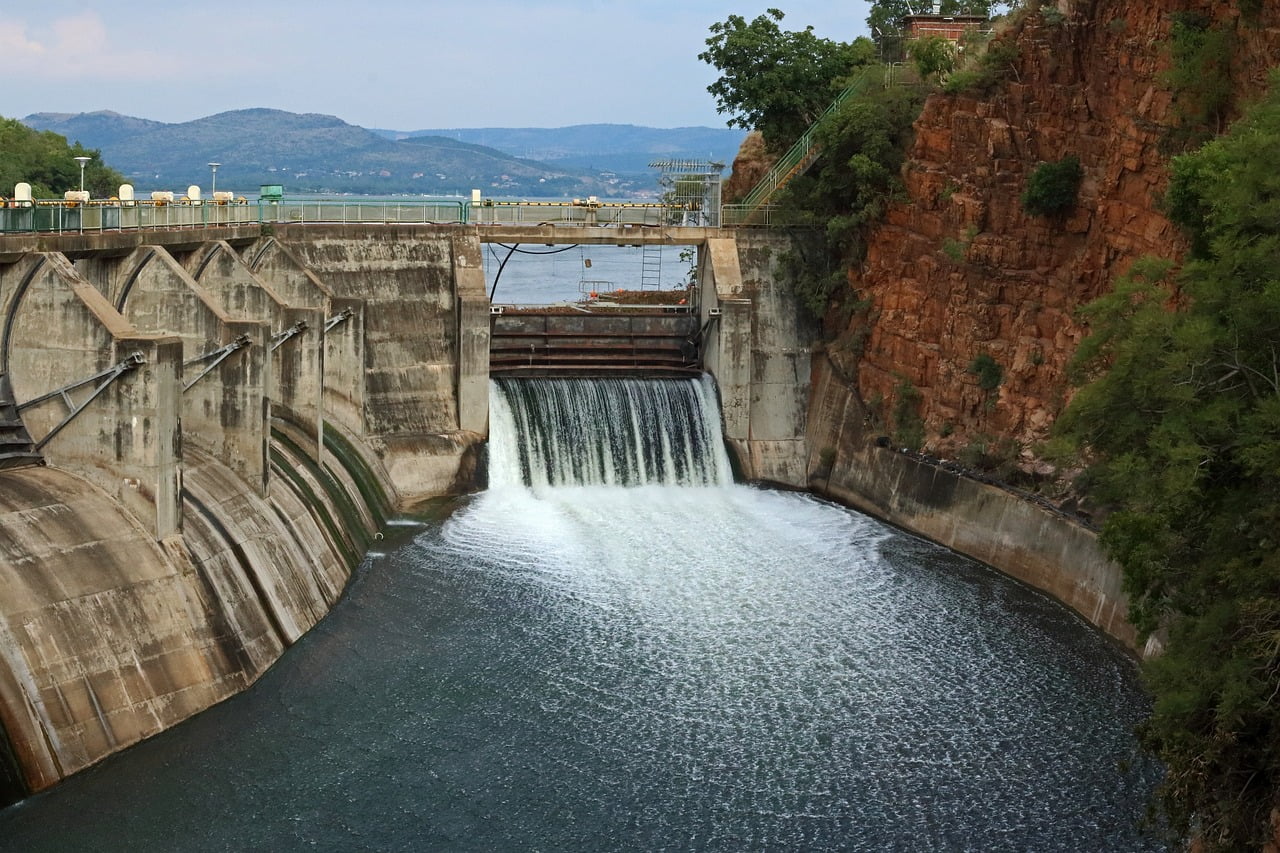
The ancient Greek philosopher, Aristotle, once said, “Well begun is half of the whole.” This timeless wisdom reminds us that the foundation of any great achievement lies in the courage to begin, regardless of the obstacles ahead. Ethiopia’s Grand Renaissance Dam (GERD) is a living testimony of this truth.
The project, which took nearly 14 years from its inception to completion, stands as a landmark initiative in Africa’s developmental history. It was not merely a dam; it was a vision, a dream, and a symbol of national pride.
The Ethiopian government deserves standing ovation for the concerted effort invested in bringing the (GERD) to life. Unlike many projects across Africa that suffer from poor execution, corruption, or abandonment, the (GERD) reflects what determination, patriotism, and unity of purpose can achieve.
One of the most inspiring aspects of the project was the massive contribution of ordinary Ethiopians. Citizens willingly sacrificed a portion of their salaries and incomes to ensure the realization of this gigantic undertaking. Civil servants even pledged one month’s salary across a 12-month period to fund the project.
This spirit of sacrifice and collective ownership is rare in today’s Africa. It shows that when people believe in a project that directly improves their lives, they are willing to bear the weight of temporary discomfort for lasting progress.
The (GERD) was not built without challenges. Neighboring countries, especially Egypt, strongly opposed the project. Egypt, heavily reliant on the River Nile for water supply, viewed the dam as a direct threat to its survival.
The Blue Nile, on which the (GERD) is constructed, is a major tributary of the River Nile. Egypt feared that Ethiopia’s control over this water source would undermine its access to water, sparking diplomatic and geopolitical tensions in the region.
However, Ethiopia refused to bow to external pressure. The Ethiopian leadership stood firm, boldly declaring that their ambition to build the (GERD) would not be compromised, even if it meant war. Such fearless rhetoric from the Ethiopian president echoed the depth of patriotism and determination driving the project.
Ethiopia’s resolute resilience highlights a valuable lesson for Nigeria. Too often, projects of national importance in Nigeria are abandoned at the slightest external opposition or internal resistance. The Ethiopian example shows the necessity of staying focused, regardless of the obstacles.
The GERD) is already contributing an estimated 16-17% of Ethiopia’s total electricity production. This is no small feat, as it represents a significant step toward energy independence and economic growth. It also demonstrates the power of infrastructural development as a catalyst for national transformation.
For Nigeria, a country blessed with abundant natural resources yet plagued by energy deficits, the (GERD) should be a case study. Instead of relying heavily on oil revenues while leaving the power sector crippled, Nigeria can emulate Ethiopia by prioritizing long-term infrastructure.
Leadership plays a central role in this. The Ethiopian government proved that leadership with vision and courage can mobilize citizens, withstand external pressures, and achieve monumental goals. Nigeria, too, needs leaders who can place the interests of the masses above personal gain or political expediency.
Beyond leadership, Nigeria must rekindle the spirit of patriotism among its citizens. If Ethiopians could donate part of their earnings to bring a national dream to life, Nigerians too can be mobilized to contribute toward projects that guarantee a brighter future for generations.
The GERD also teaches that development does not come on a platter of gold. It demands sacrifice, resilience, and unity of purpose. These are qualities that Nigeria must embrace if it seeks to overcome its persistent developmental challenges.
Moreover, the dam serves as a reminder that Africa can look inward for solutions rather than depending solely on foreign aid or external intervention. Ethiopia’s decision to fund the project internally reflects self-reliance, a principle Nigeria should adopt.
Today, the (GERD) is not just a dam; it is a symbol of national pride, unity, and resilience. It stands tall as proof that Africans can achieve great things when they commit themselves to a common vision. Congratulations to Ethiopians as the Grand Renaissance Dam was officially completed and inaugurated/launched on 9 September, 2025.
Kudos, therefore, to the masses-oriented government of Ethiopia, which has shown the world what true leadership looks like. Nigeria must learn from this lesson, for only then can it overcome its own challenges and chart a path toward sustainable development.
Jabir T Usman writes from Sabon Gari Tudun Wada, Kaduna