
Africa
Tinubu asks AU to act on xenophobic attacks against Africans in South Africa
Tinubu has urged the African Union to place South Africa’s recurring xenophobic attacks on the agenda of its January 2027 Ordinary Session.

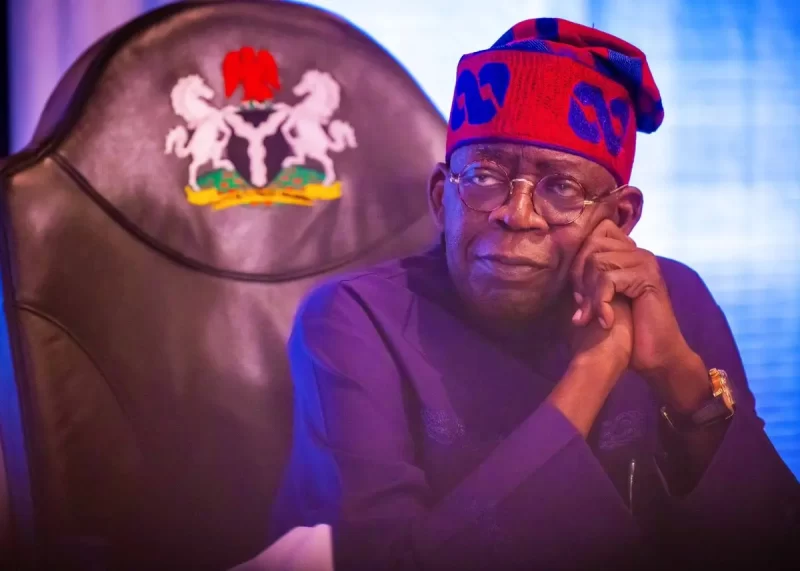
President Bola Tinubu has called on the African Union to take collective action over recurring xenophobic and Afrophobic attacks against Africans and other nationals in South Africa.
The President said the incidents were undermining African solidarity, unity and peaceful coexistence and urged the continental body to formally consider the issue at its next Ordinary Session in January 2027.
Tinubu’s position was presented by Vice President Kashim Shettima at the 21st Extraordinary Session of the African Union Assembly in Luanda, Angola.
Through Shettima, the President urged African leaders to reaffirm their commitment to ensuring the safety, protection and dignity of African nationals regardless of the country in which they reside.
“Nigeria wishes to express its concern over the recurring xenophobic and Afrophobic attacks against Africans and other nationals in South Africa,” Tinubu said.
He acknowledged South Africa’s sovereign authority to enforce its immigration laws and recognised the country’s contributions to Africa, but said attacks against foreigners could not be ignored.
“While recognising South Africa’s sovereign right to enforce its immigration laws and acknowledging its contributions to the continent, Nigeria stresses that such attacks undermine African solidarity, unity and peaceful coexistence, and require urgent collective attention.
“It is on this note that Nigeria calls on this august Assembly to place the matter on the agenda of the upcoming 40th Ordinary Session of the AU Assembly, scheduled for January 2027, for consideration and appropriate action,” he declared.
Tinubu also called for increased continental efforts to tackle xenophobia and Afrophobia, stressing that dialogue, preventive diplomacy and collective action were crucial to maintaining African unity.
Tinubu backs Luanda Action Plan
The President also expressed Nigeria’s support for the Luanda Action Plan, describing it as a practical framework for improving conflict prevention across Africa.
He argued that African countries would be better served by preventing conflicts before they erupt rather than spending more resources managing them after they begin.
“For Nigeria, conflict prevention remains more cost-effective and sustainable than conflict management,” Tinubu said.
He expressed concern over the fragmentation of peace initiatives and the increasing involvement of foreign military forces, mercenaries and private defence contractors in African conflicts.
According to him, such developments could weaken the AU’s conflict prevention mechanisms and undermine the principle that Africans should take ownership of solutions to the continent’s security problems.
He also called on arms-producing and exporting countries to strengthen cooperation with African governments to stop weapons and ammunition from being diverted to terrorist organisations and other non-state armed groups.
While acknowledging that the AU has developed strong mechanisms for preventing and resolving conflicts, Tinubu said their effectiveness was being undermined by inadequate trust and inconsistent implementation.
“The growing reliance on external actors risks weakening African institutions and the principle of African ownership,” he said.
He urged member states to embrace greater collective responsibility for peace and security across Africa.
Nigeria further backed sustainable and predictable financing for AU peace operations and called for the full operationalisation of UN Security Council Resolution 2719 to enhance the continental organisation’s ability to respond to conflicts and crises.
Tinubu said African countries must focus on home-grown solutions and stronger cooperation.
“Let us, therefore, renew our collective commitment to solidarity, cooperation, and shared responsibility as we build the Africa we want,” the President said.
Why Tinubu embarked on three-week European vacation
The Presidency has also explained why President Tinubu embarked on a three-week vacation in Europe, saying the break was intended to enable him to rest and “refuel” after months of demanding government engagements.
Sunday Dare, Special Adviser to the President on Media and Public Communications, gave the explanation while speaking with journalists yesterday.
According to Dare, Tinubu had spent the previous six to seven months dealing intensively with state matters and making what he described as significant decisions on the economy, security and other aspects of governance.
“The President has had several months — six, seven months — of being engaged with state matters. We’ve seen monumental changes, monumental decisions taken with our security, with our economy and so many other things as pertains to the running of the affairs of this country,” Dare said.
He said the vacation also came at the beginning of the political season ahead of the 2027 elections.
The President, according to Dare, is entering a period that will involve months of intensive campaign activities even as governance continues.
“And at this point, the campaign season has just started. We have four, five months of serious campaigning. Of course, governance will still continue,” he said.
Dare explained that Tinubu’s break would provide an opportunity for the President to recharge before the political season intensifies, while continuing to keep abreast of government affairs.
The development comes as political parties commence preparations for the 2027 general election, with the ruling All Progressives Congress expected to intensify its campaign activities in the months ahead.
Africans Angle News


















You must be logged in to post a comment Login