
Global Issues
Anti Racism Without Power Redistribution Is Not Justice, It Is Performance -By Fransiscus Nanga Roka
The global apparatus is confronted with a dilemma it can no longer postpone. It can keep tracking inequality, but without the optics. Or it can also work structurally, materially, and conclusively to dismantle. At the same time, one route maintains stability but sacrifices social justice. The other endangers the continued delivery of equality.

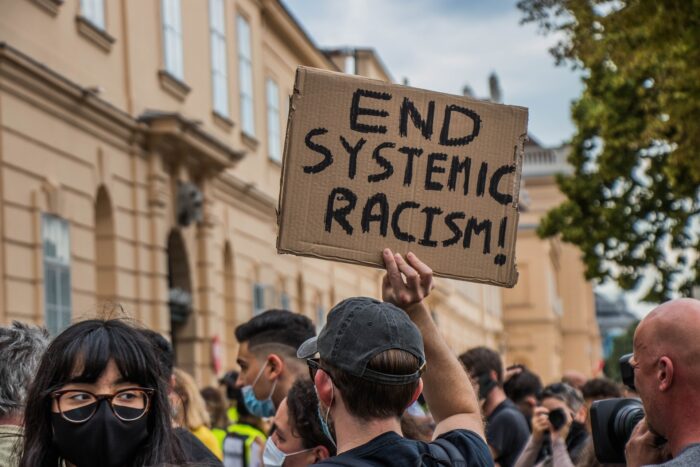
The global anti-racism project is not failing; it is succeeding spectacularly. It identifies injustice, quantifies it and prints the statistics but will not touch those structures which create that inequity. Progress Institutional choreography statements issued, data collected, commemorations held throughout all of it, power is where its always been.
Anti racism that does not involve the redistribution of power is performance, not justice.
Countries residing within different jurisdictions boast state implementations of international obligations. They take out action plans, fund awareness campaigns and create disaggregated data. These are not meaningless steps; however, they clearly lack in strategy. This gives the illusion of progress while preserving dy-namic, unequal structures beneath. Suddenly racism becomes a problem of attitudes rather than the allocation system, be it land, capital or who gets to influence decisions and how.
This is the main trick: establish that racism and bias are one thing, allowing institutions to evade power.
The evidence is not hidden. Racially discriminated communities continue to be structurally excluded from economic opportunity, political power and legal protection. And, in a flimsy and rhetorical manner we hear about historical injustices slavery, colonial extraction apartheid etc., but the material consequences of these are closed chapters. So reparatory justice is debated but seldom implemented. You are promised inclusion, but given reinclusion instead.
So-called “neutral governance” frequently functions instead as selective preservation of elite advantage.
Equality is not realised by formal guarantees alone and international frameworks have recognised this for a long time. Substantive equality is not achieved through robust policies alone, but rather here more intervention in targeted, structural and even uncomfortable ways. It requires reallocating resources, not just acknowledgment of the inequities. Its about transforming institutions instead of just diversifying. Yet that is exactly where global initiatives against that racism recede. In this, redistribution is depicted as politically fraught, economically disruptive or legally complex.
But justice that protects the status quo is not really justice; it is simply management.
Racial inequality did not slip between the cracks of administrative flaws; it is a purposeful policy result. But when states gather data on discrimination and do not take affirmative steps to remedy it, they are choosing continuity over neutrality. Those corporations are not being progressive when they adopt diversity language while changing nothing about actual ownership structures or labor hierarchies; rather, they simply insulate themselves from accountability. By commemorating anniversaries of anti racism declarations without ensuring compliance, international bodies are not taking the lead, they validate paralysis.
Recording violation without redress is not rights protection but normalization of harm.
The consequences are predictable. Public confidence declines as communities affected learn to see the errors of these in keeping with statements. Instead, anti-racism becomes a language of legitimation as opposed to an instrument towards transformation. Institutions speak the language of justice but reject its meaning. What you get is a responsive seeming, but defensive (that absorbs critique without changing results) form of governance.
This is not progress. Under the language of reform, it is stabilization of inequality.
And if anti-racism is going to mean anything other than performative liberal gestures, it has to challenge power head on. Which means redistributing resources by way of land reform, progressive tax regimes and affirmative investments in communities that have been left behind. It means redistributing representation to consult, yes with those affected by racial injustice, but to empower them to make the decision. That is entitled to share accountability implementing mechanisms that transforms commitments into consequences.
Absent these shifts, anti racism is rendered safely symbolic.
The global apparatus is confronted with a dilemma it can no longer postpone. It can keep tracking inequality, but without the optics. Or it can also work structurally, materially, and conclusively to dismantle. At the same time, one route maintains stability but sacrifices social justice. The other endangers the continued delivery of equality.
A system that denies the second path does not misapprehend racism, it accommodates it.A system that reconciles injustice with the language of rights, does not fali. It performs.
Fransiscus Nanga Roka
Faculty of Law University 17 Augugst 1945 Surabaya Indonesia

























You must be logged in to post a comment Login