Forgotten Dairies
Cubana Chief Priest’s Political Setback: A Lesson Nigerian Celebrities Must Not Ignore -By Isaac Asabor
Genuine political relevance requires patience, consistency, and sacrifice. It involves participating in community meetings, understanding local struggles, supporting party structures at the grassroots, and building relationships that extend beyond election periods.

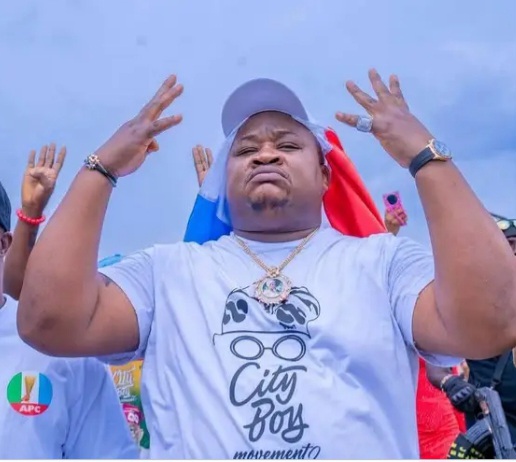
There is a dangerous illusion that often flourishes within Nigeria’s celebrity culture, the belief that fame automatically translates into political relevance. Many public figures mistake social visibility for grassroots influence and assume that the admiration they receive online or in entertainment circles can easily convert into electoral support. The recent political disappointment of Cubana Chief Priest has once again exposed the wide gap between celebrity popularity and genuine political acceptance.
The nightlife entrepreneur and social media personality, born Pascal Chibuike Okechukwu, suffered a crushing defeat in the APC House of Representatives primary election for the Orsu/Orlu/Oru East Federal Constituency of Imo State. Despite his public profile, political connections, and strong involvement in the “City Boy Movement” he managed to secure only 14 votes. It was a harsh political reality check delivered by the very grassroots community he hoped would embrace him.
Beyond the online jokes and social media ridicule that followed his defeat lies a deeper and more important lesson, not just for him, but for the growing class of Nigerian celebrities seeking relevance in politics and governance.
Over the years, Nigeria has witnessed the emergence of celebrity figures who gradually transition from entertainment and social influence into politics. The pattern is familiar: public philanthropy, lavish empowerment programmes, visible political endorsements, and eventually, declarations about “serving the people” or “giving back to society.”
Cubana Chief Priest appeared to follow that exact script. Through his wealth, influence, and closeness to political elites, he seemed convinced that his popularity and generosity would naturally earn him political legitimacy. Like many before him, he appeared to believe that visibility alone could compensate for years of grassroots political engagement.
Following his defeat, he publicly expressed regret about trusting community elders who allegedly failed to support him. However, the real issue may not simply be misplaced trust. The deeper problem was the assumption that proximity to power equals political strength. It does not. Being celebrated in nightlife circles or commanding millions of followers online is entirely different from building lasting political trust within local communities.
What many celebrities fail to understand is that Nigerian grassroots politics follows its own logic, one that social media influence rarely controls.
The ordinary people who shape political outcomes at ward and constituency levels are not necessarily impressed by celebrity lifestyles, designer fashion, expensive convoys, or online popularity. Delegates and local political actors are often more concerned with consistency, accessibility, and long-term community presence.
They ask practical questions: Where were you when the community faced hardship? What have you genuinely contributed beyond seasonal giveaways? Have you remained connected when there were no cameras or publicity involved? Did you build relationships before seeking political office? These questions matter far more than Instagram followers or viral videos.
For many grassroots voters, political representation is rooted in familiarity, sacrifice, and sustained involvement, not entertainment status. This reality appears to have worked against Cubana Chief Priest despite his charisma and public generosity.
This political setback should serve as a serious warning to Nigerian celebrities nursing political ambitions.
Many entertainers and influencers now openly affiliate with political movements, like the City Boy Movement, believing that online support automatically translates into electoral strength. But elections in Nigeria, especially party primaries, are not won through hashtags, fan loyalty, or celebrity endorsements. They are won through years of structure-building, local alliances, and direct grassroots engagement.
Likewise, philanthropy alone cannot substitute for governance. Communities may appreciate financial assistance, empowerment programmes, or festive donations, but such gestures do not necessarily create political trust. Voters often separate charity from leadership competence.
Celebrities must understand that the average Nigerian voter, particularly at the grassroots level, is far more politically aware than many assume. After decades of broken promises from politicians, people have become more careful about whom they trust with representation and leadership.
None of this suggests that celebrities should stay away from politics. Public figures can contribute positively to governance and national development. Their platforms, influence, and ability to shape conversations remain valuable assets in any democracy.
However, there is a major difference between being politically influential and being politically grounded.
Genuine political relevance requires patience, consistency, and sacrifice. It involves participating in community meetings, understanding local struggles, supporting party structures at the grassroots, and building relationships that extend beyond election periods.
Real politics is often slow, demanding, and unglamorous. It rarely delivers the instant validation that social media provides. Yet it is the only path toward building authentic political credibility.
Cubana Chief Priest’s defeat should not merely be viewed as an embarrassing political loss. It should be understood as a powerful reminder that celebrity status is not the same thing as political legitimacy.
In a democracy, true political power ultimately comes from the people, especially those at the grassroots level who determine electoral outcomes. Online applause, elite connections, and social influence may create visibility, but they cannot replace the trust earned through years of genuine community involvement.
For Nigerian celebrities hoping to venture into politics, the message is clear: fame may open doors, but only real grassroots engagement can sustain political ambition. And that is the lesson the “village boys” have once again delivered loud and clear.