Connect with us

Breaking News

Fuel Import Policy Row Deepens as Experts Clash With World Bank on Nigeria’s Energy Direction

Nigeria’s fuel policy debate intensifies as experts clash with World Bank over import recommendations and downstream liberalisation.

Published

on

Nigeria’s energy policy debate has intensified after experts pushed back against recommendations from the World Bank urging greater fuel importation and downstream liberalisation, warning that such measures could undermine domestic refining gains.

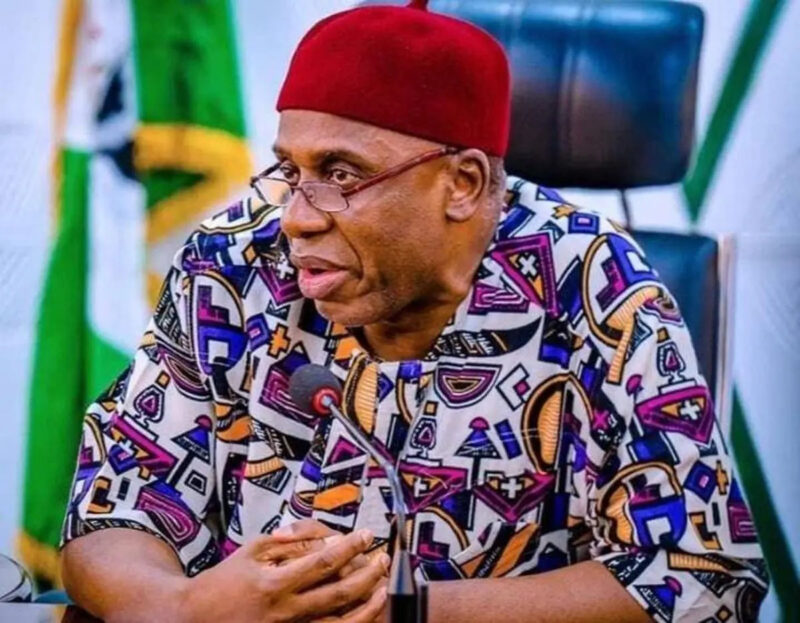
During a televised discussion, energy economist Ken Ife said the advice conflicts with Nigeria’s long-term strategy for energy independence and violates provisions of the Petroleum Industry Act.

“You cannot come to a country… and then advise it to reverse course and return to fuel importation,” he said, arguing that such a move would weaken local value addition efforts.

He stressed that domestic refining must remain the priority under existing law and warned that a return to imports would increase exposure to global market volatility and foreign exchange strain.

“Advising Nigeria to abandon that path is… a clear violation of the PIA,” he added.

Ife also questioned the empirical basis of the recommendation, saying it appeared inconsistent with the broader analysis in the World Bank’s Nigeria Development Update.

Another analyst, Kelvin Emmanuel, also rejected the proposal, claiming the report had been withdrawn from the World Bank’s website.

Advertisement

“The World Bank has retracted the report,” he said.

He argued that imported petrol cannot currently be cheaper than local supply due to freight and insurance costs.

“There is no marketer today that can land petrol into Nigeria at less than N1,759 per litre,” he said.

Emmanuel added that global crude pricing, influenced by geopolitical tensions, has significantly altered fuel economics.

“Dated Brent is trading at about $144 per barrel,” he explained.

He further suggested that any lower-priced imports would likely involve compromised fuel standards.

“The only way imported petrol can appear cheaper is if standards are compromised,” he said.

Emmanuel maintained that Nigeria’s domestic petrol prices remain relatively lower than in neighbouring countries and blamed price volatility on weak enforcement of supply obligations.

“If local refiners receive crude supply as stipulated by law, prices will stabilise,” he said.

He also criticised proposals for borrowing-funded social safety nets, arguing that such spending should be grant-based rather than debt-financed.

Advertisement

Africans Angle News


Continue Reading
Advertisement
Click to comment

Leave a Reply

Your email address will not be published. Required fields are marked *

Trending Contents

Topical Issues

Uzoma Aham Uzoma Aham
Forgotten Dairies6 hours ago

Men & Society: Not Every Cut Bleeds and not Every Injury Leaves a Scar –By Uzoma Ahamefule

For the sake of our society's sanity, we must collectively address these issues with the required urgency within our capacities....

Nigeria-Bandit-Fulani herdsmen-Crisis-Protest Nigeria-Bandit-Fulani herdsmen-Crisis-Protest
Forgotten Dairies11 hours ago

Insecurity: No Ballot Is Worth a Nigerian Life: Why State Police Cannot Wait, and What Is the Moral Justification for Delaying It Until After the Elections? -By Daniel Nduka Okonkwo

The question before Nigeria is no longer whether the existing policing model is imperfect; experience has already answered that. The...

Adeniyi-Adeyemi- Adeniyi-Adeyemi-
Breaking News12 hours ago

Police Report Says PFIPC Was Fictitious Agency, Recommends Freezing 34 Bank Accounts

He also claimed that fears for his personal safety prevented him from surrendering to authorities and questioned the official account...

Breaking News12 hours ago

Children Gagged, Teachers Chained During 56-Day Ordeal in Oriire Kidnap, Principal Reveals

Principal Racheal Alamu shares the harrowing experience of the Oriire abduction, detailing how pupils survived 56 days in captivity before...

Sowore and Tinubu Sowore and Tinubu
Forgotten Dairies16 hours ago

Sowore’s Freedom in Tinubu’s Own Words: When the President’s Statement Undermines the Prosecution -By Daniel Nduka Okonkwo

Ultimately, this case has grown beyond the fate of one individual. It has become a test of Nigeria's commitment to...

Soludo Soludo
Politics16 hours ago

Anambra’s Zoning Culture, A Legacy For Youths -By Ify Aronu

To sustain the dividends of democracy, enhance citizens confidence in the political process, reduce unnecessary political tension, encourage mutual trust...

COVID-NIPAH VIRUS COVID-NIPAH VIRUS
Forgotten Dairies19 hours ago

Mange in Animals: Why a Neglected Skin Disease Deserves Greater Attention -By Dr. Moris Umoru, DVM

Effective control begins with awareness, early diagnosis, and responsible animal management. By prioritizing preventive veterinary care and embracing the principles...

PETER OBI PETER OBI
Breaking News20 hours ago

Obi Condemns Benue, Plateau Killings, Demands End to Insecurity

Peter Obi has reacted to the latest attacks in Benue and Plateau, calling for intelligence-driven security, justice for victims and...

Usman Abdullahi Koli Usman Abdullahi Koli
Forgotten Dairies1 day ago

The Courtesy Beyond Reciprocation -By Usman Abdullahi Koli

Mencius posed that question more than two thousand years ago. It has never stopped being urgent. Every generation must answer...

Soludo Soludo
Forgotten Dairies1 day ago

Funeral Regulation In Anambra State Law, Culture And Economic Reality In The Wake Of Proposed Reform -By Okoye Chikamso Marycynthia

Ultimately, the debate surrounding funeral regulation in Anambra State reflects a broader struggle between tradition and modern governance, individual freedom...