Africa
Gov. Fubara’s Reinstatement: Cause for Celebration or a Dangerous Slide into Armchair Democracy? -By Hon. Femi Oluwasanmi
In reality, Governor Fubara has been stripped of meaningful power. He is now a glorified ceremonial leader, remote-controlled by unseen hands with headquarters in Abuja. This is a bad omen for Nigerian democracy, one that undermines state autonomy, emboldens political godfathers, and weakens the will of the people.

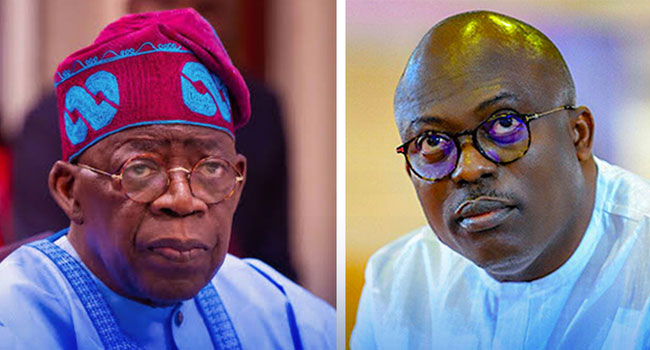
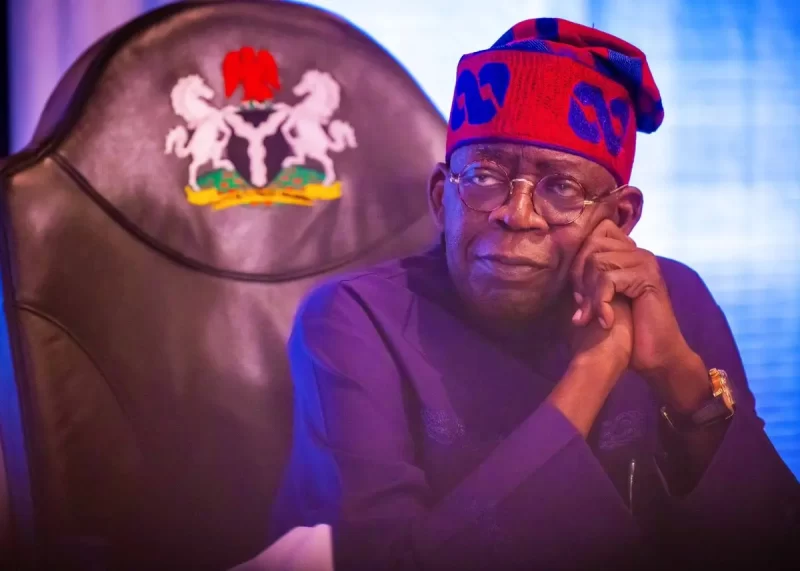
While it is true that the costliest peace is still cheaper than the cheapest war, one must ask: at what cost does peace come, especially when it threatens the very foundation of democratic governance? The reinstatement of Governor Siminalayi Fubara of Rivers State by President Bola Ahmed Tinubu, though celebrated in some quarters, raises critical questions about the trajectory of democracy in Nigeria. Rather than being a triumph for democratic ideals, it appears to be a dangerous slide into what can best be described as “armchair democracy”, a system where elected leaders function as puppets under the remote control of political overlords.
On September 19, 2025, Governor Fubara returned to Rivers State amid fanfare, jubilation, and thanksgiving. Many citizens expressed gratitude for what they saw as a divine intervention and a return to political stability. Some even went as far as to label it a victory for democracy. However, a closer examination reveals troubling undercurrents that demand a deeper national introspection.
Democracy, according to Abraham Lincoln, is a government “of the people, by the people, and for the people.” It is not a government for the godfather, by the president, and at the expense of the people. The current situation in Rivers State, where a sitting governor appears to have been coerced into submission and now reportedly governs according to directives from Abuja, is a distortion of democratic principles and a dangerous precedent.
At the height of the political crisis that led to Governor Fubara’s suspension, disturbing revelations emerged. Allegedly, certain political cabals were demanding regular remittances of state funds for personal enrichment. These revelations were neither investigated nor resolved. Instead, what followed was a six-month-long political silence wrapped in a fragile peace deal that failed to address the fundamental issues of corruption, external interference, and abuse of federal power.
Or, have those issues suddenly vanished, or have they simply been swept under the carpet in the name of “peace”? If such critical matters are left unresolved, the ability of the governor to deliver meaningful development will remain severely compromised.
Further complicating the matter is the controversial local government election, conducted under the supervision of unelected sole administrator, which produced chairmen, many of whom are known loyalists of former Governor Nyesom Wike. This maneuver has effectively alienated the governor from grassroots governance. For instance, at the begin of the crisis, a local government chairman even openly defied Governor Fubara’s directive, underscoring the erosion of his executive authority. Will this imbalance of power be addressed, or are we witnessing the dawn of a shadow third term for Wike, with Fubara as a figurehead?
If not corrected, this so-called peace is nothing more than cosmetic—a fragile façade masking the deep-rooted erosion of federalism in Nigeria. The Rivers State Government, under this arrangement, risks becoming an annex of Abuja, governed not by the will of the people but by the dictates of powerful political interests in the federal capital. This is a dangerous virus, one that threatens the autonomy of states and undermines the very essence of Nigeria’s federal structure.
The situation also accelerates the entrenchment of godfatherism in Nigeria’s political landscape. This system, where power is wielded not by elected leaders but by unelected influencers, is precisely why local governance has become toothless in many parts of the country, especially where the ruling party at the state level differs from that at the centre.
A glaring example is the withholding of statutory local government funds in Osun State by the federal government since February 2025. This unlawful action has severely crippled grassroots governance and affected traditional institutions, including royal fathers who are the custodians of culture and community values.
Sadly, the principle of checks and balances, enshrined in the Nigerian Constitution to prevent the abuse of power among the three arms of government, has been sacrificed at the altar of personal ambition and political expediency.
To prevent future abuse, Section 305 of the 1999 Constitution, which deals with the declaration of a state of emergency, must be urgently reviewed and reformed. The current ambiguity allows for misuse by political desperadoes who manipulate constitutional loopholes for self-serving ends, as clearly demonstrated in the Rivers State saga.
Governor Fubara himself, during a recent visit to President Tinubu, openly admitted that he had come to Abuja to seek a blueprint for governance. This statement, though perhaps made in good faith, sends the wrong message. The governance strategy for Rivers State should be crafted from the unique socio-political and economic realities of the state—not borrowed wholesale from Lagos or Abuja. Governance is not one-size-fits-all.
Nonetheless, one cannot entirely blame the governor. After six months of political isolation and intense pressure, it is understandable, though unfortunate, that he may have embraced the “if you can’t beat them, join them” philosophy. But this also means that his reinstatement, while legally and politically significant, does not merit the magnitude of public jubilation that has accompanied it.
In reality, Governor Fubara has been stripped of meaningful power. He is now a glorified ceremonial leader, remote-controlled by unseen hands with headquarters in Abuja. This is a bad omen for Nigerian democracy, one that undermines state autonomy, emboldens political godfathers, and weakens the will of the people.
Therefore, the removal and the reinstatement of Governor Fubara as the Governor of Reviers State by the president is an episode in the Nigerian drama that has esposed a deeper democratic decay that if not urgently addressed through constitutional reforms, civic awakening, and institutional independence, could become the new normal, one where democracy is practiced not in reality, but from the comfort of armchairs in Abuja.
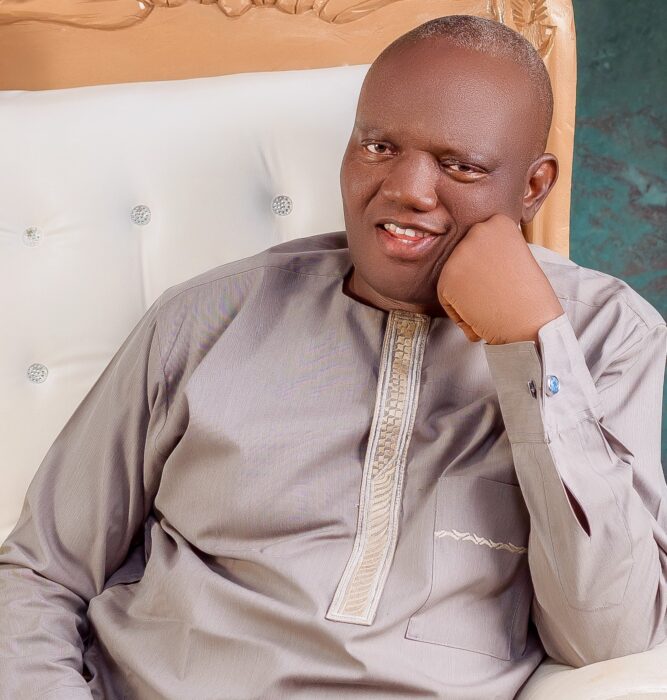
Hon. Femi Oluwasanmi,
Special Assistant to the Governor of Osun State,
Secretary, Ijesa South Special Assistants Forum,
Admin, Osun State Special Assistants Forum.